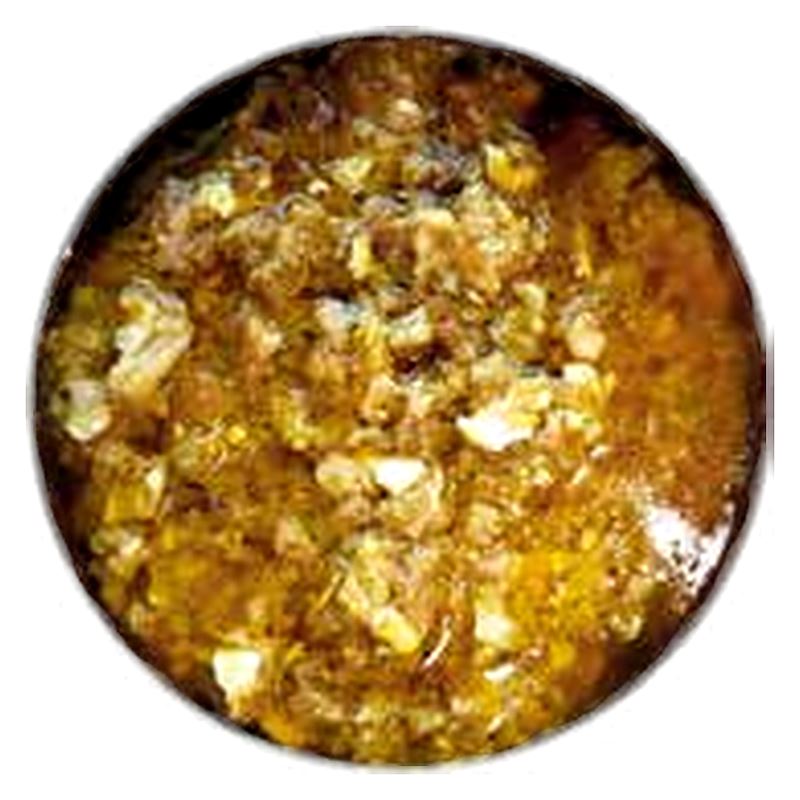
The same plate, two food histories
A bowl of kalle pache sits inside two different histories of cooking. In one it is breakfast, the dish sold at dawn from shops that open before the bakeries. In the other the head left the kitchen altogether, and the method for cooking it left with it. That second history is recent and regional rather than natural: a set of ordinary industrial changes pulled heads, trotters and tripe out of one part of the world's cooking over about a century and a half, and left them untouched in the rest. This is that history, and where kalle pache sits inside it.
When slaughter left the kitchen
For most of the history of eating meat, the animal was killed close to where it was cooked, and the whole carcass had to be used, because the parts that spoil fastest cannot wait. Heads, feet and organs are exactly those parts: not delicacies, not curiosities, simply the food that had to be cooked that day.
Through the nineteenth century, European and American cities moved slaughter into large public abattoirs on the edge of town, away from the streets where people shopped. Railways and then refrigerated ships meant meat could travel as chilled sides and boxed cuts instead of as living animals. The parts that travel worst dropped out of that long-distance trade first. The supply chain simply stopped carrying them, and cooks stopped seeing them.
The tray decided the menu
From the middle of the twentieth century, meat in much of Europe and North America was sold pre-cut, pre-wrapped and priced by weight, so that every pack of one product looks like every other pack. A head does not fit a tray, cannot be divided into identical units, and asks the shopper to know something. Anything outside those few familiar shapes stopped looking like food.
Rationing, and the years after it
War pushed the same way. Under British wartime rationing, offal was largely left off the ration, so it stayed available when chops and prime cuts did not, and for the generation that lived through those years that tied it to going without. Rationing ended in the mid-1950s, and a prime cut became what prosperity looked like on a plate. Heads and feet were still good food and still cheap, but cheap had acquired a meaning.
The chapters that quietly disappeared
You can follow the change along a shelf of cookbooks. Nineteenth-century household manuals, of which Isabella Beeton's is the famous English one, set instructions for heads, feet, tripe and brains beside the roasts, as ordinary domestic knowledge. Escoffier's professional guide of 1903 gives the same parts a serious section of their own. Their mid-century successors thinned those pages and then dropped them. Two or three editions is all it takes: once the chapter is gone, the technique stops being taught.
The turn back came in the 1990s, when some chefs argued that using the whole animal was both better cooking and better sense. Fergus Henderson's London restaurant and his book Nose to Tail Eating gave the idea a name that stuck. In those kitchens it is a revival, because something had been lost.
A tradition with no gap to close
Kalle pache never lost the thread. In Iran it kept its own shops, its own hour and its own name: lamb head and trotters, simmered about fourteen hours and traditionally eaten at dawn, with sangak bread, torshi, lime, onion and green pepper on the table. The same continuity runs through Turkish, Arab, North African, Mexican and Italian cooking, where whole-animal dishes were never dropped and so never had to be brought back. The long simmer was handed from cook to cook without a break.
For the practical side rather than the history, our first-timer's guide walks through the table, and the menu lists the parts as singles, eye, brain, meat, tongue, trotters, tripe, lamb cheek, brain soup, soup and the special mix, along with platters sized for one, two, three and six. At Shaun the Sheep in Jumeirah the kitchen runs 24 hours a day, for dine-in and for delivery across Dubai. Website orders are card prepay only, delivery is free over AED 300, and a future time can be set in advance for a gathering with a fixed hour. The phone is 04 321 8882.
