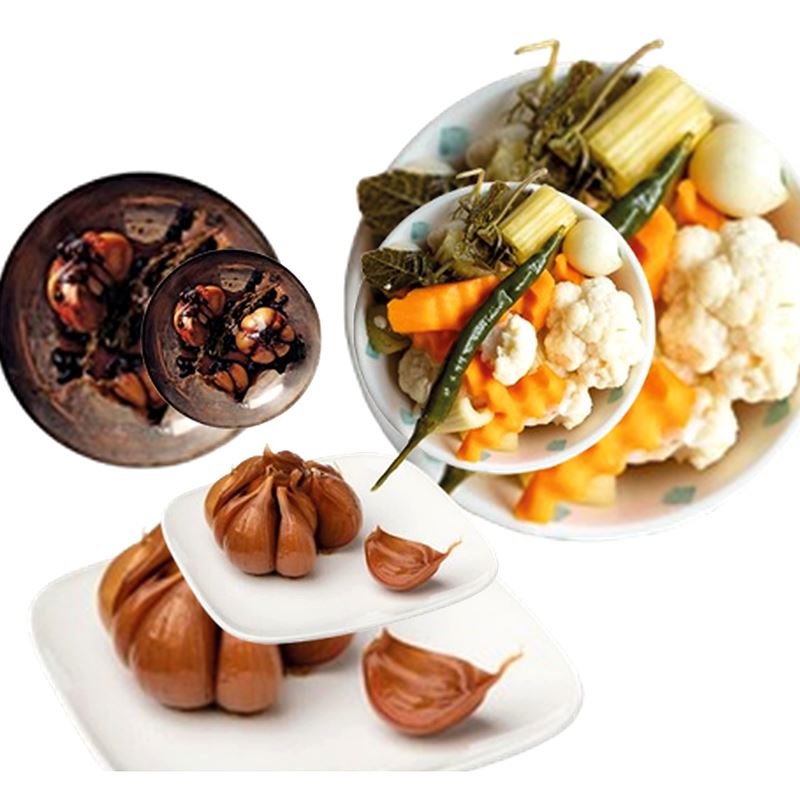
Sour is a structure in Persian cooking, not a garnish
In Persian cooking the acid in a dish is chosen as early as the salt. Sourness is planned in from the start: it decides whether a stew tastes heavy or alive. The word torsh means sour, and it sits inside the names of half the pantry — torshi for pickles, limoo torsh for fresh lime, ab-ghooreh for the juice of unripe grapes.
What acid does beside a rich, slow-cooked bowl
Three jobs, mostly. Contrast: fat coats the tongue and acid cuts through it, so the fifth spoonful tastes as clear as the first. Rhythm: a bite of something sharp between spoonfuls resets the palate over a long meal. Aroma: acid lifts the smell of herbs, onion and pepper. None of this is unique to Iran. What is characteristic is how many different sours a Persian kitchen tends to keep on hand.
The sour pantry, item by item
| Sour | Made from | Where it typically appears |
|---|---|---|
| Torshi | Vegetables or fruit kept in vinegar; mixed jars, or garlic aged for years | Beside rich dishes, in small bites |
| Fresh lime (limoo torsh) | Juice of small green limes | Squeezed at the table over soups, broths and grilled meat |
| Dried lime (limoo amani) | Limes boiled in salt water, then sun-dried until dark and hollow | Whole or ground into stews and soups as they cook |
| Verjuice (ab-ghooreh) | Pressed juice of unripe sour grapes | Into stews, stuffed vegetables and some soups |
| Sumac (somagh) | Dried, ground berries of the sumac shrub | Shaken over kebab and rice at the table |
| Sour orange (narenj) | Juice and zest of bitter orange | Marinades, fish, some rice dishes; in northern Iran squeezed like lime |
| Pomegranate paste (rob-e anar) | Pomegranate juice reduced to a dark, thick syrup | Walnut stews (fesenjan), thick soups, meatballs, fish |
| Sekanjabin | Vinegar and sugar cooked to a syrup, usually with mint | Thinned with water as a drink, or a dip for lettuce |
Cooking sours and table sours
Dried lime, verjuice and pomegranate paste need time and heat: dried lime gives a slow, musty, almost fermented sourness, verjuice a clean grape sharpness nothing like vinegar, pomegranate paste acidity and sweetness in one dark spoonful. Going in early makes them part of the base flavour. Fresh lime, sumac and torshi are the opposite — finishing acids, handed to whoever is eating rather than decided by the cook, which is why the wedges and the pickle jar sit within reach. Sekanjabin stands apart: sour and sweet at once, usually a drink or a dip for lettuce rather than something on a plate.
Why a kalle pache platter arrives with lime and pickles
Lamb head and trotters simmered for around fourteen hours give a broth thick with gelatin and fat. The lime and the torshi on the tray are the counterweight, not the decoration: lime brightens the broth spoon by spoon, and the pickle gives the vinegary interruption that lets the richness land again. Raw onion and green pepper work on a different axis, pungency rather than acid, and sangak carries all of it. Add the lime in stages — half a wedge, stir, taste, decide — because too much at once turns the broth thin and citrusy with no way back, and keep the torshi out of the bowl so the broth holds its own character. We have written separately about what kalle pache tastes like and how to approach a first bowl.
The same table, in Dubai
At Shaun the Sheep in Jumeirah we cook kalle pache the long way and send it out as it is traditionally eaten: sangak, torshi, lime, onion and green pepper with every platter — the Single Dish, the Double Dish, the Full Dish and the Khan's Platter for six. The singles are on the menu: eye, brain, tongue, trotters, tripe, meat, lamb cheek, brain soup, soup and the special mix (mojoon). We are open 24 hours a day, seven days a week, deliver across Dubai with free delivery over AED 300, and support pre-orders for a later time. Payment on the website is card prepay only; the number is 04 321 8882.
