ما الذي يميّز الطعام الإيراني حقّاً عن المطابخ العربية والتركية والهندية؟
تقع إيران بين العالم العربي والأناضول وشبه القارّة الهندية، وقد تبادلت معها التوابل والوصفات قروناً، ومع ذلك يبقى للطعام الإيراني طعمٌ لا يخطئه الذوق. الفارق ليس مكوّناً بعينه بل فلسفة كاملة: ابنِ نكهةً عميقةً على مهل، واخفض صوت الفلفل الحارّ، واتّكئ على الأعشاب الطازجة بالحُزَم، ثم أنعش كلّ شيء في النهاية بلمسة حموضة. فحيث يُعلن الكاري الهندي عن نفسه بالحرارة، ويُعلن المجبوس الخليجي عن نفسه بالبهارات الدافئة، يهمس الطبق الإيراني — زعفرانٌ وليمونٌ عُمانيٌّ مجفّف وقرفةٌ ولمسةُ كركم — ثم يرتفع على اللسان بحموضته. ولا يتجلّى هذا في شيء كتجلّيه في وعاء كله باتشه، ولهذا نقدّمه على الطراز الطهراني في مطعم شون ذا شيب بجميرا ١.
لماذا تُعدّ الحموضة بصمة النكهة الإيرانية؟
إن كان ثمّة طعمٌ واحدٌ يحدّد المطبخ الإيراني فهو حموضةٌ محسوبة تُقابل الدسم. فالمطابخ الإيرانية تستعين بعائلة كاملة من مُحمِّضات قلّما تلجأ إليها المطابخ المجاورة: الليمون العُماني المجفّف (لومي) يُلقى صحيحاً في اليخنات، والليمون الطازج يُعصر فوق المرق، ورُبّ الرمّان في «الفسنجان» الشهير، والحصرم وهو عصير العنب غير الناضج، والسمّاق على المشاوي، والتمر الهندي في الجنوب. هذا التوازن بين الحموضة والدسم نقيضٌ لمطاردة الحرارة؛ فالحموضة تقطع الدهن، وتوقظ اللحم المطهوّ ببطء، وتُبقي الطبق الثقيل خفيفاً على الحسّ. قد يختم الطبّاخ الخليجي أو الشامي طبقه بالليمون أيضاً، لكن الحموضة في الطعام الإيراني بنيويّةٌ — مُخطَّطٌ لها داخل القِدر، لا مجرّد عصرةٍ في الأعلى.
كيف يستعمل المطبخ الإيراني الأعشاب ويتساهل مع الفلفل الحارّ؟
يعامل الطعام الإيراني الأعشاب الطازجة معاملة الخضار لا الزينة. فيخنة قورمه سبزي تبدأ بما يشبه جبلاً مذهلاً من البقدونس والكزبرة والحلبة والثوم المعمّر، يُقلى ببطء حتى يغمق ويفوح. وعلى كل مائدة طبق سبزي خوردن: أعشاب نيّئة — طرخون وريحان ونعناع وفجل — تُؤكل مع الطعام. هذه الخضرة الطازجة عادة وطنية. ولا يقلّ دلالةً ما يتركه المطبخ الإيراني جانباً: الحرارة اللاذعة. فالطبخ الإيراني عطريٌّ لا ناريّ، يُتبّل من أجل العبير والعمق بالزعفران والكركم والقرفة وماء الورد، حتى تظلّ المكوّنات محتفظةً بطعمها. وهذا أوضح خطٍّ يفصل الطعام الإيراني عن كثير من الطبخ الهندي، حيث يكون الفلفل الحارّ والمسالا المركّبة هما المقصد غالباً.
ما الذي يميّز الأرزّ والطهي البطيء في المطبخ الإيراني؟
الأرزّ يكاد يكون مقدّساً في إيران، وطريقته مميّزة. يُسلَق الأرزّ طويل الحبّة سلقاً أوّلياً، ثم يُصفّى (آبكش)، ثم يُبخَّر على نار هادئة (دَم) حتى تنفصل كلّ حبّة وتتكوّن في قاع القِدر قشرةٌ ذهبية تُسمّى تهديگ. هذه الطريقة — سلقٌ ثم تصفيةٌ ثم تبخير — تختلف عن المجبوس الخليجي أو البرياني الهندي، حيث يُطهى الأرزّ في القِدر نفسه مع اللحم والتوابل. والركيزة الأخرى هي الوقت: تُطهى اليخنات الإيرانية (خورش) والمرق على نار خفيفة وقتاً طويلاً حتى تُبنى النكهة بالصبر لا بالقوّة. وإليك مقارنةً سريعةً بين التقاليد الأربعة.
| العنصر | الإيراني | العربي (الخليج والشام) | التركي | الهندي |
|---|---|---|---|---|
| الحموضة المميِّزة | ليمون عُماني مجفّف، ليمون طازج، رمّان، حصرم | ليمون طازج، سمّاق، وبعض الليمون المجفّف | ليمون، ومعجون طماطم وفلفل | تمر هندي، لبن، طماطم |
| الأعشاب الطازجة | محورية — حُزَم من البقدونس والكزبرة والشبت والحلبة والنعناع | بقدونس ونعناع، غالباً في السلطات | بقدونس وشبت للتزيين | كزبرة وأوراق الكاري |
| الحرارة (الفلفل الحارّ) | مضبوطة؛ عطرية لا نارية | خفيفة غالباً، بهارات دافئة | خفيفة إلى متوسطة | محورية وحارّة غالباً |
| الطريقة الأساسية | يخنات بطيئة؛ أرزّ يُصفّى ثم يُبخَّر | الأرزّ يُطهى غالباً مع اللحم في قِدر واحد | الشوي؛ بيلاف بطريقة الامتصاص | مسالا متعدّدة الطبقات؛ برياني بالدَّم |
| دور التوابل | العبير — زعفران، كركم، قرفة، ليمون مجفّف | بهارات دافئة، لومي، هيل | كمّون، بابريكا، نعناع | خلطات معقّدة وحارّة غالباً |
وثمة خطٌّ آخر يستحق الرسم: «بريان» أصفهان يشترك مع البرياني في الاسم ولا يكاد يشترك معه في شيء آخر، ومقال بريان ليس برياني يبيّن بالضبط أين يفترق الطبقان.
كيف تتجلّى هذه الفلسفة في وعاء كله باتشه؟
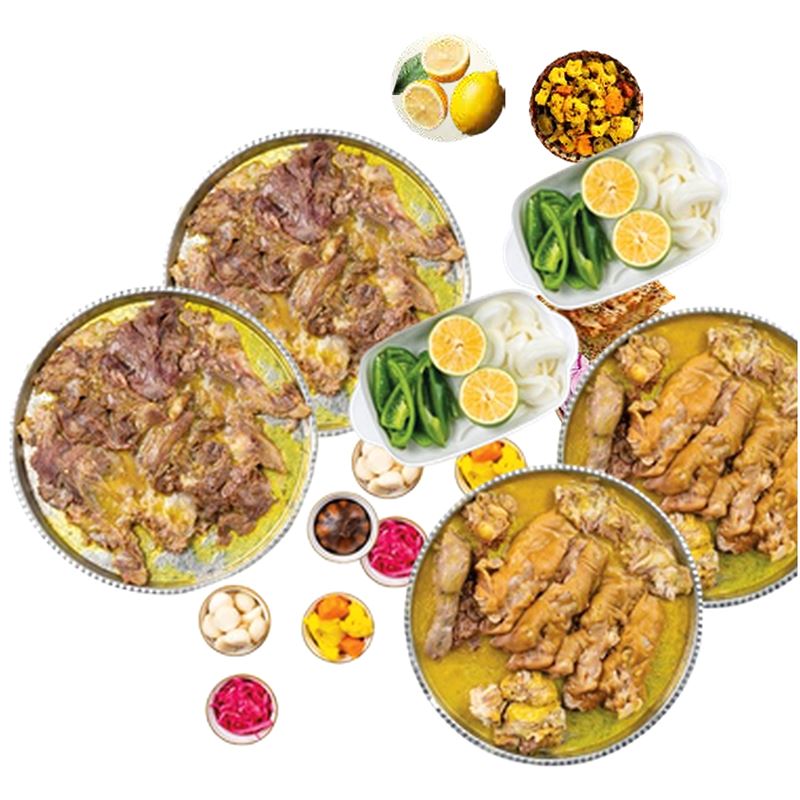
كله باتشه هو المقاربة الإيرانية كلّها مختزَلةً في قِدر واحد. فلا خزانة توابل تقريباً في الأمر. يُنظَّف رأس الخروف وكوارعه يدوياً قبل الفجر، ثم يُطهيان نحو أربع عشرة ساعة في قِدر نحاسي مع البصل والكركم والثوم فقط، ويُزال الرغو كلّ ساعة حتى يصير المرق بلون الشاي الغامق. هذا هو الاعتدال الإيراني — تتبيلٌ لطيفٌ ووقتٌ صبور بدل اليد الثقيلة. ثم تأتي اللمسة الأخيرة المميّزة: على المائدة تُنعش وعاءك بنفسك بعصرة ليمون طازج، وإن شئت أضفتَ ثوماً نيّئاً ورشّةَ قرفةٍ وخبز سنجك مُقطَّعاً. الطهي الطويل الهادئ يبني العمق، والليمون يرفعه في اللحظة الأخيرة. وهذا تماماً منطق «الحموضة في مواجهة الدسم» الذي يسري في المطبخ الإيراني كلّه، مقدَّماً في وعاء واحد صادق.
وتسير المرافقات على القاعدة نفسها. المخلّل المشكّل ومخلّل الثوم المعتَّق سبع سنوات يجلبان الحموضة التي يحبّها الإيرانيون؛ والدوغ، مشروب اللبن بالنعناع والملح، يبرّد ويقطع الدسم؛ وكأس الشاي الأسود يختم الوجبة. لا شيء منها يتعلّق بالحرارة — كلّها تتعلّق بالتوازن.
أين يمكنك تذوّق هذا الفرق في دبي؟
مطعم شون ذا شيب بيتُ كله باتشه على الطراز الطهراني في ٦٤ شارع جميرا، جميرا ١، مفتوحٌ ٢٤ ساعة طوال أيام الأسبوع، ولحمه من الضأن حلال وفق قانون ومعايير الإمارات. يمكنك طلب المفردات مثل المخّ واللسان والكوارع وخدّ الخروف، أو الأطباق الجماعية لشخص أو اثنين أو ثلاثة أو ستة، وأن تختم على الطريقة الإيرانية بالليمون والمخلّل والشاي. ووجودنا في جميرا ١ يُبقينا قريبين من جميرا والوصل وسيتي ووك ووسط المدينة ومركز دبي المالي والخليج التجاري ولا مير وخليج جميرا، لكننا نوصّل إلى كلّ دبي، والتوصيل مجّاني للطلبات التي تتجاوز ٣٠٠ درهم، وتظهر رسوم المنطقة عند الدفع. تصفّح صفحة القائمة والطلب للتوصيل أو الاستلام، أو احجز طاولة لتتذوّق الفلسفة كلّها في جلسة واحدة — مبنيّةٌ على مهل، طازجةٌ بالأعشاب، خفيفةُ التتبيل، ومختومةٌ بعصرة ليمون منعشة.
