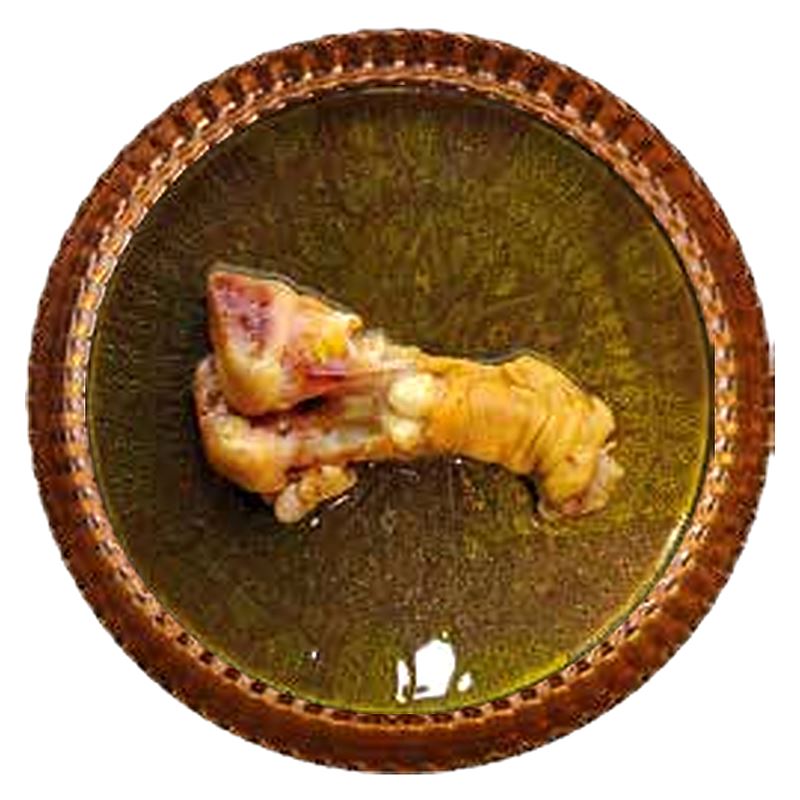
Why is kalle pache suddenly fashionable again?
For most of the last century, kalle pache lived quietly in the pre-dawn corners of the food world: a labour-intensive lamb head-and-trotter broth eaten by market traders, night workers and grandparents, rarely photographed and almost never called trendy. Yet in the last few years the same dish has been reappearing on wellness feeds, restaurant "must-try" lists and travel videos. This revival is not an accident. Four separate cultural currents — whole-animal cooking, the bone-broth wellness boom, diaspora pride, and social-media curiosity about traditional food — have converged on exactly the kind of slow, honest cooking that kalle pache has always been. In a city as connected and as hungry for authenticity as Dubai, all four currents meet at once.
What is kalle pache, and why did it fall out of fashion?
Kalle pache (Persian: کلهپاچه, literally "head and trotters") is a slow-simmered broth of lamb head and feet, known across the Gulf and Iraq as baja. It is one of the oldest dishes still cooked the original way: hand-cleaned before dawn, then simmered for around fourteen hours in a copper pot with onion, turmeric and garlic, skimmed hourly until the broth turns the colour of strong tea. For decades it read as old-fashioned — too slow, too "extreme", too tied to a rural or working-class past that younger diners were keen to leave behind. The irony is that the very things that made it unfashionable — the long cook, the humble cuts, the unapologetic use of the whole animal — are now exactly what make it feel modern again.
How did nose-to-tail eating make offal cool again?
Over the past two decades, celebrated chefs and food writers turned "nose-to-tail" eating into a badge of seriousness. Using every part of the animal — cheek, tongue, trotter, brain — stopped being a mark of poverty and became a mark of skill and respect for the ingredient. Suddenly the cuts that kalle pache is built from read as adventurous rather than embarrassing, and diners who once ordered only the fillet began seeking out the parts with the most character and the deepest flavour. Kalle pache never had to reinvent itself for this trend; it simply waited for the rest of the food world to catch up to what it had been doing all along. You can see the full range of cuts and portions on the menu and order page.
Is the bone-broth and collagen trend part of the revival?
Yes, and it may be the single biggest driver. The wellness world spent years rediscovering bone broth, and kalle pache is, in effect, one of the most concentrated bone broths in existence: long-simmered bones and trotters give it a body naturally rich in collagen and gelatin, alongside protein and minerals. Where a wellness brand sells collagen as a powder in a sachet, kalle pache offers the same idea in its original, whole-food form, made the way it has been for centuries. A word of honesty is needed, though. Exact nutrition depends on the cut and portion you choose, and traditional value is not a medical claim. Kalle pache is a rich, warming, traditional dish — food, not a treatment — and anyone with a specific health condition or dietary concern should speak to a doctor rather than rely on tradition alone.
Why does the diaspora feel new pride in kalle pache?
For Iranian, Afghan, Iraqi and wider Gulf communities living abroad, kalle pache carries memory: the Friday-morning ritual, the queue outside a favourite shop, the grandparent who insisted the brain was the best part. As these communities have grown and gained confidence, dishes once kept "for us" have become sources of open pride rather than quiet embarrassment. Sharing a bowl — and a photo of it — has turned into a small act of cultural ownership. For a younger generation raised elsewhere, ordering kalle pache is a way of staying connected to a heritage that no burger could ever carry.
What is actually driving the comeback?
| Trend | What changed | Why it favours kalle pache |
|---|---|---|
| Nose-to-tail cooking | Whole-animal cooking became a mark of skill | Built entirely from head, trotters and offal |
| Bone broth & collagen | Slow-simmered broths hailed as wellness staples | One of the most concentrated bone broths there is |
| Diaspora pride | Heritage dishes shared openly, not hidden | A direct link to family ritual and memory |
| Social-media curiosity | Traditional and "extreme" foods go viral | Dramatic to watch, photogenic and story-rich |
| Sustainability | Less waste and whole-animal cooking valued | Uses the whole animal by design, nothing discarded |
Why is Dubai the natural stage for this revival?
Few cities are as suited to a kalle pache moment as Dubai. It is home to large Iranian, Iraqi and Gulf communities who grew up on the dish, alongside adventurous residents from everywhere else who actively seek out the "real thing". It is a 24-hour city where a dawn food finally makes sense at any hour, and a place where sustainability and whole-animal, less-wasteful cooking are increasingly valued. Shaun the Sheep sits right in the middle of that: one kitchen at 64 Jumeira Street, Jumeirah 1, cooking Tehran-style kalle pache the traditional way and delivering it across the whole city. It is not a chain — just a single kitchen that happens to reach all of Dubai.
How can I try the revival for myself?
The easiest way in is a shared table. Order a communal platter for one, two, three or six, tear warm sangak into the broth, add seven-year garlic pickle and mixed torshi to cut the richness, and drink doogh alongside. If you are new to it, the Special Mix lets you taste tongue, cheek and more in one platter; if you want the gentlest introduction, start with plain broth or brain soup. Shaun the Sheep is open 24 hours, seven days a week, with delivery to all 141 areas of Dubai — the fee is chosen by area and shown before you pay, and delivery is free on orders over AED 300 — plus pickup and dine-in, and you can even schedule an order for later. Pay securely online, or reserve a table if you would rather gather in person. Either way, an ancient dawn dish is now only a few minutes away.
