What does nose-to-tail eating actually mean?
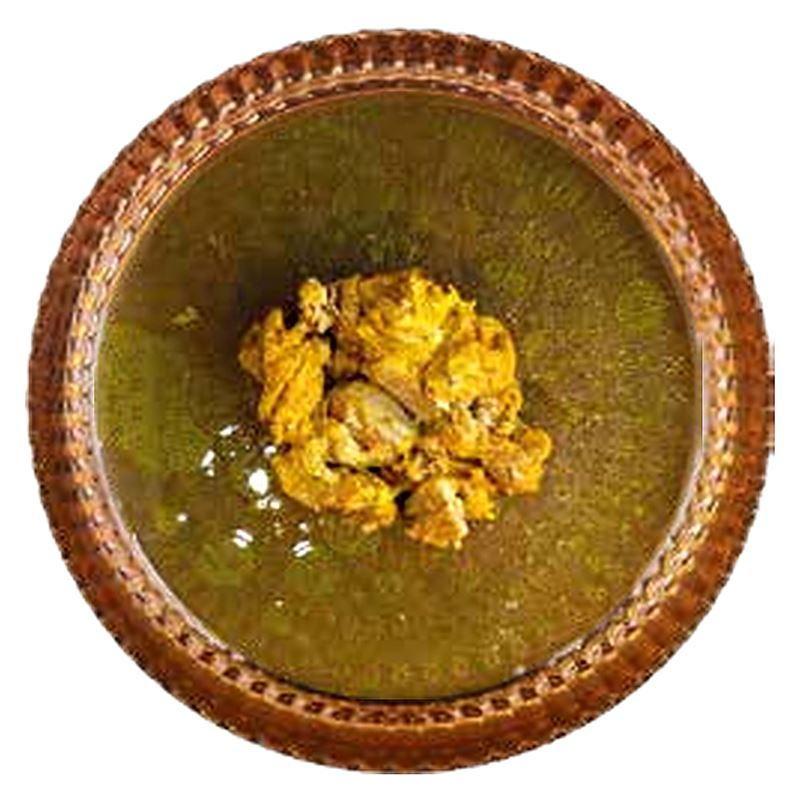
Nose-to-tail eating is the simple idea that once an animal has been raised and slaughtered for food, the respectful thing to do is use as much of it as possible. Not only the fillet and the chops, but the head, the cheeks, the tongue, the trotters and the parts a modern supermarket rarely puts on display. Persian kalle pache — literally "head and trotters" — is one of the oldest and most complete expressions of this idea. It takes exactly the cuts a wasteful kitchen would throw away and, after a long night over the fire, turns them into a dish people set an alarm for.
Why did traditional kitchens use the whole animal?
For most of history, food was too hard-won to waste. A family or a village that had gone to the trouble of raising a lamb was not about to discard half of it. Every part had a purpose: the muscle for stews and kebabs, the bones and feet for broth, the head for a dish that would carry the household through a cold morning. This was not a philosophy with a name; it was ordinary respect and ordinary thrift. The word sustainability arrived centuries later. The practice was already there.
How did the modern food system start throwing the head and trotters away?
Somewhere along the way, eating changed. Meat became something wrapped in plastic, sold as a handful of familiar, boneless cuts, with everything else quietly removed before it reached the shelf. The head, the feet and the offal — the very parts that carry the most flavour and the most collagen — were reclassified as "offcuts" and, in many places, treated as waste or animal feed. A whole culinary vocabulary was lost in a generation or two. What remained was convenient, but it asked far more of each animal to feed the same number of people.
Why is kalle pache a natural example of low-waste cooking?
Kalle pache never made that shift. It is built entirely from the parts a modern menu leaves out, which is exactly what makes it a quiet lesson in using the whole animal. Here is how the same lamb is often treated two different ways.
| Part of the lamb | Modern food system often | In kalle pache |
|---|---|---|
| Head, brain, cheek, tongue | Removed, discarded or sold as scrap | The heart of the platter |
| Trotters and feet (paye) | Treated as waste | Slow-cooked for a silky, gelatin-rich broth |
| Tripe (sirabi) | Rarely sold at retail | Simmered until tender and prized |
| Bones | Thrown out or ground down | The backbone of a 14-hour broth |
| Prime muscle cuts | The main event | One part of a shared whole |
Read down that last column alone and you have a full, generous meal made almost entirely from what the middle column throws away.
How does slow cooking turn "offcuts" into something prized?
The transformation is not magic; it is patience. At Shaun the Sheep, the lamb is hand-cleaned before dawn and simmered for about 14 hours in a copper pot with onion, turmeric and garlic, skimmed by hand every hour until the broth turns the colour of strong tea. Time is what does the work. Long, gentle heat melts the collagen from the bones and trotters into gelatin, giving the broth its silky body; it softens the tongue and cheek until they fall apart, and it turns the brain custard-soft. Nothing that was "difficult" stays difficult. The parts a hurried kitchen finds inconvenient are precisely the parts that reward slowness. A note in passing: when we mention collagen here we mean texture, not health — it is simply what gives the broth its body — and nothing on this page is medical advice, so for any dietary questions please check with your doctor.
Was it really about sustainability, or just about thrift?
It is worth being honest here. The cooks who invented kalle pache were not thinking about carbon or food-waste statistics, and it would be a stretch to dress the dish up as an environmental campaign. It grew out of thrift, resourcefulness and a refusal to waste what had been given. But that instinct — take what you have, waste as little as possible, and make it delicious enough that people look forward to it — is the same instinct the modern world is slowly rediscovering. Traditional cuisines were low-waste long before low-waste was fashionable, not because anyone set out to be virtuous, but simply because it was the sensible, respectful way to cook.
How can you eat nose-to-tail in Dubai today?
You can taste this tradition without cooking for fourteen hours yourself. Shaun the Sheep is one kitchen at 64 Jumeira Street in Jumeirah 1 — not a chain, just a single pot that runs 24 hours a day, seven days a week and delivers across all of Dubai. Our communal platters for 1, 2, 3 or 6 are the friendliest way in: a group can share brain, tongue, trotters, cheek and broth with warm sangak, mixed torshi and seven-year garlic pickle, so nothing gets left behind at your table either. The lamb is halal, as all lamb in the UAE is. Browse the menu and order page, pay securely online, and choose delivery, pickup, or a scheduled time that suits you; delivery is free over AED 300, with the fee for your area shown before you pay. Prefer it fresh from the pot? You can reserve a table and let the broth do the talking.
