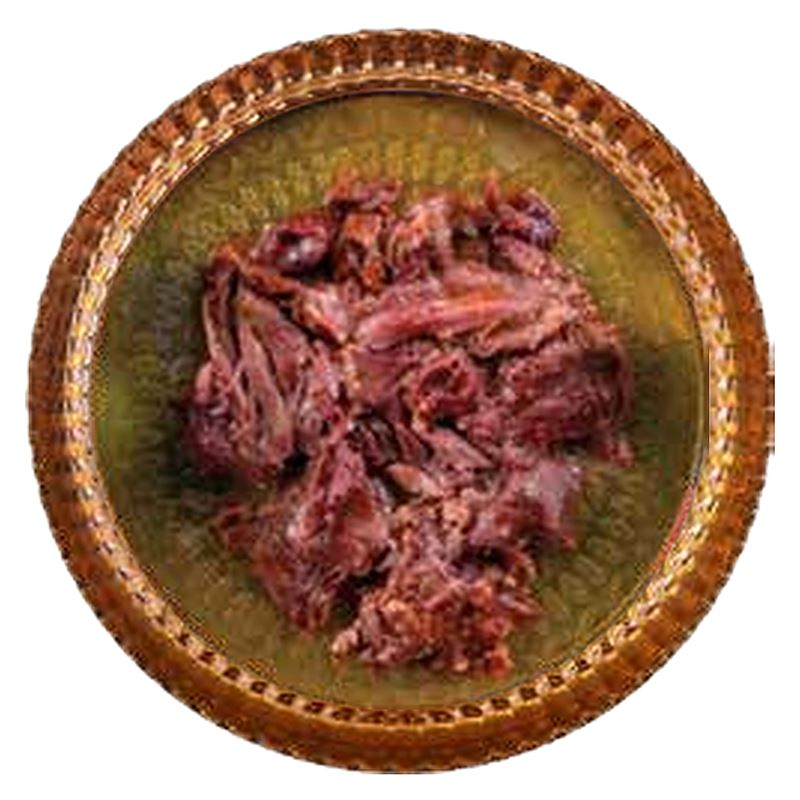
Why do athletes and gym-goers in Dubai order kalle pache?
Kalle pache for athletes is not a modern invention. Ask around the early-morning crowd at a Dubai gym and you will find a small but loyal group who finish a session and go looking for a bowl of broth instead of a shaker bottle. Kalle pache — the Tehran-style lamb head-and-trotter broth we simmer overnight — is protein-forward, collagen-rich, warm, salty and remarkably easy to get down when your appetite has not caught up with your training yet. In Iran it has long been the food of people who work with their bodies: bakers, labourers, wrestlers, anyone whose day starts before sunrise. That reputation is cultural, built over generations at dawn tables, not a laboratory claim.
So let us be clear from the start: this article is culinary and cultural orientation, not medical, dietary or sports-nutrition advice. We promise no recovery outcomes, we quote no calorie, protein or collagen numbers (they depend entirely on the cut and the portion), and if you have a health condition, a serious training programme or a competition weight to make, please speak to a doctor or a qualified sports dietitian.
What is in a bowl of kalle pache for someone who lifts?
Two things carry the dish: the meat and the broth. The cuts — tongue, cheek, trotters, plain meat, tripe, brain — are whole-animal lamb, so the bowl is protein-forward rather than starch-forward. The broth is what about fourteen hours in a copper pot does to bone and connective tissue: cartilage, tendon and skin surrender slowly into gelatin, which is why a properly made kalle pache broth thickens as it cools and leaves that faint stickiness on the lips. Onion, turmeric and garlic go in early, the pot is skimmed every hour, and by service the liquid is the colour of strong tea.
For someone who trains, three qualities stand out. It is a protein-and-collagen meal rather than a filler meal. It is largely a liquid meal, so you are effectively drinking your food — useful when a hard session or a long shift has flattened your appetite. And it is deeply savoury and salted, which is exactly what most people want after sweating, and rarely what a sweet recovery shake delivers.
Why do lifters keep talking about bone broth and collagen?
Collagen is the protein of connective tissue — tendon, ligament, cartilage, skin — and long, slow simmering converts it into gelatin, which is what gives a good broth its body. Strength and endurance athletes have taken an interest in collagen because those are precisely the tissues they load, and gelatin is its oldest and most traditional food form. The interest is genuine; the honest framing is that kalle pache is a culinary tradition that happens to be collagen-rich, not a supplement, not a treatment and certainly not a repair kit for an injured knee. Eat it because it is nourishing and delicious. You can see every cut we serve on our menu and order page.
When should I eat kalle pache — before or after training?
This is the question we get most, and the honest answer is that it depends on how heavy the order is and how soon you are training.
- Two to three hours before a session: keep it light — plain soup, brain soup, or broth with a modest piece of sangak. A full platter of trotters and cheek is rich, and rich food sitting under a heavy squat is nobody's idea of a good morning.
- Straight after training: this is when most people order it. Warm broth, meat cuts and torn sangak give you protein and carbohydrate together in a form that goes down easily even when you don't feel like chewing.
- Late at night, after an evening session or a shift: we are open 24 hours, seven days a week, which is why the 1am and 5am orders exist at all — for people finishing training, or starting work, when the rest of the city has closed.
- On a rest day: forget the macros and order the full traditional spread. Kalle pache is a sofreh, a shared table, before it is anything else.
Which cuts make the leanest high-protein bowl?
Not every part of the animal behaves the same way in the pot or on the plate. If you are building a lean, protein-forward bowl, you would choose differently than on a slow Friday morning. Use the table as orientation, not as a prescription — the exact character of each portion varies.
| Cut | What it's like | Best for |
|---|---|---|
| Tongue (zaban) | Dense, firm, sliceable, mild in flavour | The leanest meat-forward pick, and a good first cut for newcomers |
| Plain meat | Straightforward simmered lamb | Protein without the adventure |
| Tripe (sirabi) | Chewy, savoury, texture-led | A lean, filling option if you like the texture |
| Trotters (paye) | Skin, cartilage and gelatin more than muscle | The collagen bowl — order it alongside a meat cut, not instead of one |
| Lamb cheek (bonagoosh) | Meat with fat running through it, deeply savoury | The rich, satisfying end — a smaller portion goes a long way |
| Brain (maghz) | Soft, creamy, very rich | A delicacy to share rather than a base for a lean bowl |
| Plain broth or soup | The liquid alone, tea-dark | Pre-training, or a light second meal later in the day |
Should I eat the sangak or skip it?
Sangak, the stone-baked flatbread, is the main carbohydrate on the table. After a hard session that is a feature rather than a problem: bread with broth is a classic post-effort combination in half the world's cuisines. If you are in a cutting phase, keep the bread light and let the meat and broth carry the meal. Mixed torshi and seven-year garlic pickle add sharpness for almost nothing.
Does kalle pache help with hydration and electrolytes in Dubai heat?
Dubai does not make it easy to train and stay comfortable. Even indoors, a long session in a humid summer costs you fluid and salt, and warm salty broth is one of the oldest ways humans have put both back after hard work — soup long predates the sports drink. Doogh, the salted mint-yogurt drink, plays much the same role at a Persian table, which is why it sits next to kalle pache so naturally.
Two honest caveats. Broth is a savoury food, not a hydration strategy: keep drinking water. And if you are managing blood pressure, kidney health or a sodium-restricted diet, salted broth and doogh are exactly the kind of thing to raise with your doctor rather than decide from a blog.
How do athletes in Dubai order kalle pache?
Shaun the Sheep sits at 64 Jumeira Street, Jumeirah 1, and the kitchen runs 24 hours a day, seven days a week — the lamb is hand-cleaned before dawn and halal, in line with UAE law and standards. That means the bowl is there at 5am before a lift and at midnight after one. Delivery covers Dubai, with the fee set by your area at checkout, and pickup and dine-in are both open.
Two ordering habits worth stealing. First, be specific: name the cuts you want and how much bread, and we will build the bowl that way. Second, order communally — the platters serve one, two, three or six people, which turns a post-match football team or a training group into one table instead of six separate deliveries. Browse the menu and order page to put a bowl together, or reserve a table and let the broth arrive hot in front of you.
Train hard, eat something that has fed working bodies for centuries, and leave the medical questions to a professional who knows yours.
