Is kalle pache a low-carb food?
Strip a bowl of kalle pache down to its essentials and you are left with two things: a long-simmered lamb broth and the tender cuts that came out of the pot. Neither is built on starch. The dish that Iranians have eaten before dawn for generations is, at its heart, broth- and meat-forward — protein and collagen do the heavy lifting, and the carbohydrate is almost an afterthought. That is exactly why kalle pache keto curiosity keeps turning up among Dubai diners who want a warm, satisfying meal without a mountain of bread.
The important caveat first: this article is general dietary orientation, not medical or dietary advice. Everyone's needs differ, so please consult a qualified professional before reshaping how you eat. We also never quote calorie or macro numbers here — the values genuinely depend on which cut you choose and how big your portion is.
Where do the carbs actually come from?
Here is the honest answer that helps you order well: in a classic kalle pache spread, most of the carbohydrate arrives on the side, as sangak — the blistered Persian flatbread people tear and dunk. The lamb head and trotters themselves, slow-cooked about fourteen hours in a copper pot with onion, turmeric and garlic and skimmed hourly until the broth turns the colour of strong tea, are qualitatively rich in protein, collagen, gelatin and minerals rather than starch. Torshi (pickles) and a glass of doogh add negligible carbohydrate. So the lever you control is simple: the bread.
How do I order kalle pache low-carb?
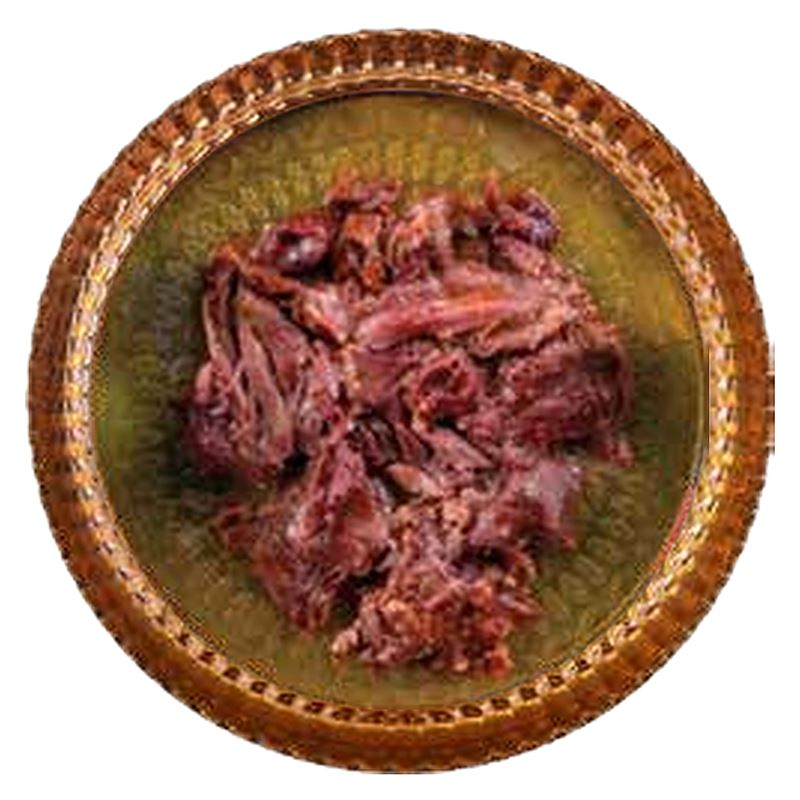
Think of it as building the bowl around the broth and the meat. Ask for the plain broth (the soup or abgoosht base) and lean into the cuts: tongue (zaban), lamb cheek "meat & fat" (banagoosh), trotters (paye), plain meat, or the brain if you enjoy it. Then simply limit or skip the sangak, and keep the seven-year garlic torshi or mixed torshi on the side so you decide how much you add. Doogh, the salted mint-yogurt drink, is a friendly companion. If you like to sample, the Special Mix (majoon) platter lets you taste several cuts at once.
Low-carb order vs classic order
The table below shows how the same meal shifts when you move the emphasis from bread to broth and meat. Portions and exact figures depend on your choices, so treat this as orientation, not a prescription.
| Element | Low-carb order | Classic order |
|---|---|---|
| Base | Plain broth (soup / abgoosht) | Broth with generous sangak for dunking |
| Main focus | Meat cuts: tongue, cheek, trotters, meat | Meat plus lots of bread |
| Bread | Limited or skipped | Sangak or special sangak, freely torn |
| Sides | Torshi on the side, doogh | Torshi, doogh, extra bread |
| Emphasis | Protein & collagen forward | Comfort-and-carb forward |
Is kalle pache high in protein?
Qualitatively, yes — the appeal for high-protein eaters is that both the broth and the cuts carry protein and collagen rather than filler. That is why some Dubai gym-goers and shift-workers treat a high protein broth Dubai bowl as a restorative meal after a long night. We won't promise health outcomes or attach numbers to it; what we can say is that the dish is protein- and collagen-forward by nature. If you're curious about the nutritional character in more depth, our guide to kalle pache nutrition, protein and collagen goes further.
Kalle pache and low-carb Persian food in Dubai
Among low carb Persian food options, kalle pache is quietly one of the most flexible — you adjust one variable, the bread, and the rest of the bowl already suits the goal. At Shaun the Sheep, our Tehran-style kitchen at 64 Jumeira Street, Jumeirah 1, is open 24 hours, seven days a week, with halal lamb and Dubai-wide delivery, pickup and dine-in. New to the cuts? Our guide to Persian offal — brain, tongue and trotters is a gentle place to begin.
Ready to build your low-carb bowl? Browse the menu and order page and note in the order which cuts you'd like and how much bread, or reserve a table and tell us at the counter. Communal platters serve one, two, three or six, so a low-carb order scales easily for a group. Just remember: order for your goals, enjoy the tradition, and leave the medical questions to a qualified professional.
