Does eating kalle pache spike your blood sugar?
If you are watching your carbohydrates or managing diabetes, the honest answer is that it depends far less on the broth and meat than on what you eat alongside them. Kalle pache itself — the slow-simmered lamb head-and-trotter broth we make at Shaun the Sheep — is built almost entirely from protein and fat, with very little carbohydrate. Carbohydrate is the nutrient that raises blood sugar most directly, so the part of the meal that moves the needle is usually the bread, not the bowl. This article is culinary information to help you think about portions; it is not medical advice, and nothing here should change how you eat or take medication without your doctor or dietitian.
What is actually in a bowl of kalle pache?
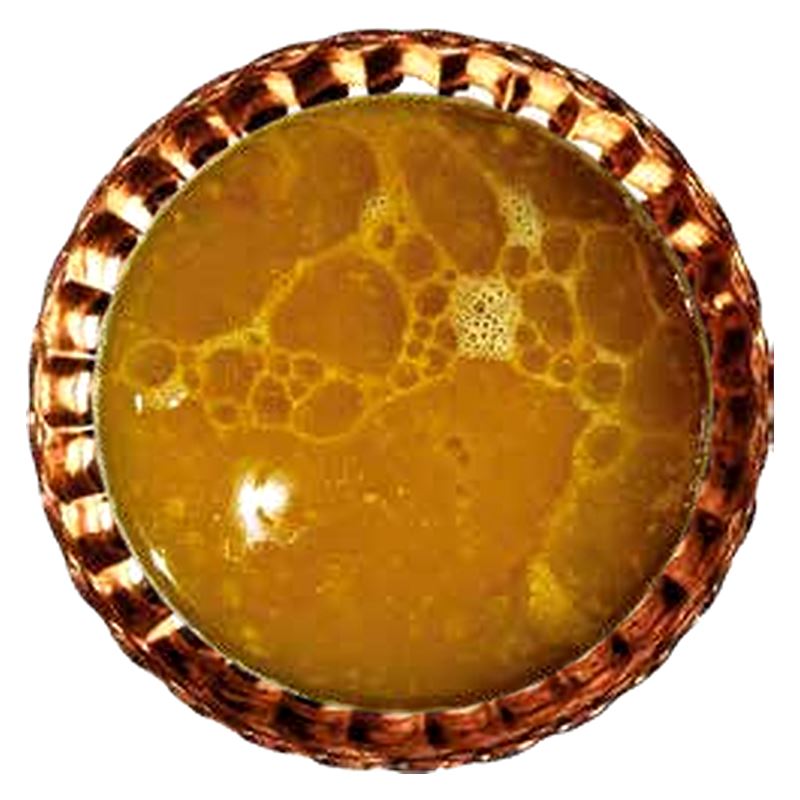
Kalle pache (Persian: کلهپاچه) is lamb head and trotters, hand-cleaned before dawn and simmered for around fourteen hours in a copper pot with onion, turmeric and garlic, skimmed hourly until the broth is the colour of strong tea. What comes out is a rich, gelatinous broth plus tender meat — tongue, cheek, brain and the collagen from the trotters. In nutritional terms that means mostly protein and fat, with little to no starch or sugar in the broth and meat themselves. You can see the full range on the menu and order page.
Where do the carbs in a kalle pache meal actually come from?
Almost all of them come from what surrounds the bowl. The biggest source is sangak, the traditional stone-baked flatbread that is torn into the broth. Bread is a starch, and starch is carbohydrate, so how much sangak you eat is the single biggest lever over the meal's carbohydrate load. The second source appears only if you order abgoosht (dizi), which traditionally includes potato and sometimes beans — both add carbohydrate the plain broth does not have. Side pickles and doogh add very little by comparison.
| Part of the meal | Mainly provides | Carbohydrate |
|---|---|---|
| Broth (plain) | Protein, gelatin, fat | Very low |
| Meat (tongue, cheek, brain, trotters) | Protein and fat | Very low |
| Sangak bread | Starch | High — the main source |
| Abgoosht / dizi potato | Starch | Adds carbohydrate |
| Torshi / garlic pickle | Flavour, acidity | Low |
| Doogh | Yoghurt drink | Low |
How does bread become the main lever?
Because the broth and meat are naturally low in carbohydrate, portioning the bread is where most of the control sits. Eating a smaller amount of sangak, tearing it more slowly, or leaving some on the plate all reduce the carbohydrate in the meal without touching the part you came for. Some people who are carb-aware choose the plain broth or a meat-forward platter and treat bread as a small accompaniment rather than the base. Pairing carbohydrate with the protein and fat already in the bowl is also, for many people, gentler than eating bread alone — but how any individual responds varies, which is exactly why personal guidance matters more than any general rule.
What about the salt and the richness?
Blood sugar is not the only thing worth watching. A long-simmered bone broth is naturally rich, and seasoning plus pickles add sodium. For anyone managing diabetes alongside blood pressure, heart or kidney concerns, the salt and saturated fat are as relevant as the carbohydrate. Going easy on added salt at the table, balancing the meal with fresh sides, and keeping portions sensible are reasonable habits — but, again, your own targets should come from your care team, not from a menu.
How can I build a more blood-sugar-aware order?
Here are practical, non-medical ideas people use. Choose a meat-forward or plain-broth option; decide your bread portion before you start rather than during the meal; add the mixed torshi or seven-year garlic pickle for flavour without much carbohydrate; and skip sweetened drinks in favour of tea or a modest glass of doogh. If you are ordering for a household where one person is counting carbs, the communal platters make it easy to keep the meat central and let each person manage their own bread. Explore the options on the menu and order page, or reserve a table if you would rather eat in.
So is kalle pache safe or good for diabetes?
We will not claim that. Kalle pache is not a treatment, not a cure, and not automatically "safe" or "unsafe" for any medical condition — diabetes is highly individual, and blood-sugar responses differ from person to person, dish to dish and day to day. Everything above is culinary information about where the carbohydrate sits in a meal, offered so you can ask better questions. Before you make it part of a diabetes eating plan, or change any portion, medication or routine, please talk to your doctor or a registered dietitian who knows your history. That conversation, not this page, is what should guide your plate.
