هل يمكن تناول كله باتشه أثناء الحمل؟
هذا من الأسئلة التي تصلنا بأرقّ صيغة، وغالباً من أحد أفراد العائلة يتصل نيابةً عن امرأة حامل. فلنكن واضحين منذ السطر الأول: هذا المقال معلومات طهوية لا نصيحة طبية، وهو ليس إذناً بالأكل ولا تشجيعاً عليه. فالحمل يختلف من امرأة إلى أخرى، والصوت الوحيد الذي يخبركِ بما إذا كان كله باتشه يليق بصحنكِ الآن هو طبيبتكِ أو طبيب النساء والولادة. وأقصى ما يمكن لمطعمٍ أن يفعله بأمانة هو أن يخبركِ بالضبط بما في الوعاء، وكيف يُطهى، وأين تقع أخفّ أجزاء المائدة — كي يكون حديثكِ مع الطبيبة مبنياً على معرفة. لن نقول لكِ إن كله باتشه آمن، ولن نقول إنه مفيد؛ سنكتفي بالشفافية التامة.
هل يحتوي كله باتشه على الكبد؟
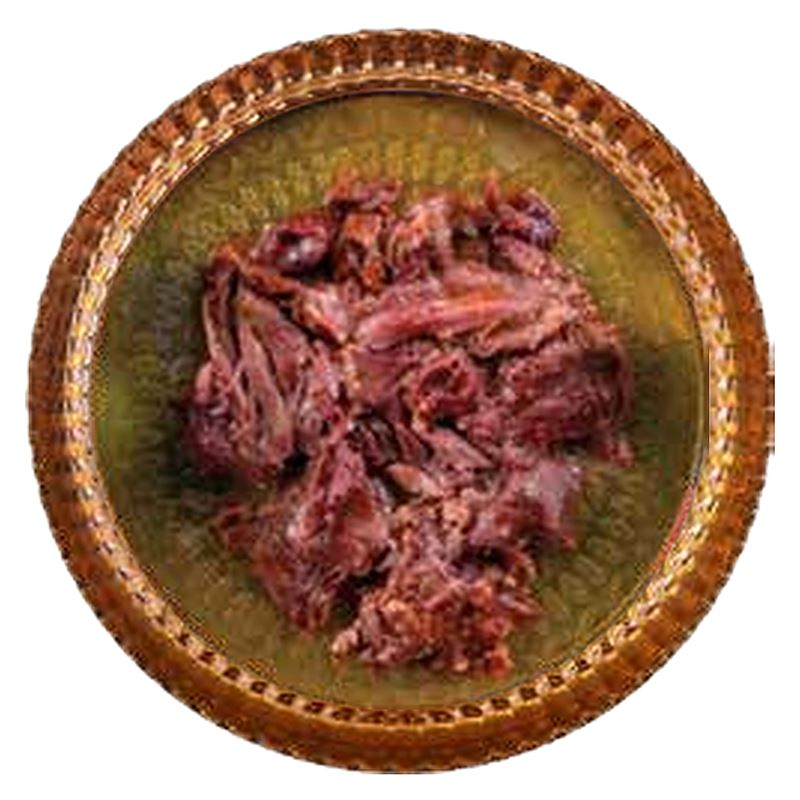
هذه النقطة أهم من أي نقطة أخرى، لأنها منبع معظم اللبس. كله باتشه (الباجة) يُصنع من رأس الخروف وأقدامه — والاسم نفسه يقولها: «كله» أي الرأس و«پاچه» أي الأقدام. ومع الطهي البطيء ساعاتٍ طويلة يصير مرقاً غنياً بالكولاجين والبروتين. أما الأصناف المفردة في قائمتنا فهي: المخ (مغز)، واللسان (زبان)، والأكارع (پایه)، وخدّ الخروف (بناغوش)، واللحم، والكرشة (سيرابي). ولاحظي ما ليس في هذه القائمة: الكبد. فكله باتشه لا يحتوي كبداً إطلاقاً. ويستحق هذا أن يُقال بوضوح، لأن الكبد هو صنف الأحشاء الذي تخصّه معظم إرشادات الحمل بالتحذير.
لماذا يُخَصّ الكبد بالتحذير في الحمل، ولماذا لا ينطبق ذلك على كله باتشه؟
في معظم البلدان، تتركّز النصيحة المعتادة التي تتلقّاها الحامل بشأن الأحشاء على الكبد ومنتجاته مثل الباتيه. والسبب فيتامين «أ» (الريتينول) الذي يتركّز في الكبد بكميات قد تفوق ما يُنصح به أثناء الحمل. ولأن كله باتشه لا يحتوي كبداً، فإن هذا التحذير المعروف تحديداً لا يصف هذا الطبق. لكنه على أهميته لا يقلب الجواب إلى «آمن»؛ فالتوصيات حول باقي الأحشاء تختلف من طبيب إلى آخر ومن بلد إلى آخر، والمخ على وجه الخصوص شديد الدسم. وكثير من الحوامل، احتياطاً أو بناءً على اقتراح طبيبتهن، يتركن المخ جانباً ويكتفين بالمرق الصافي واللحم والخبز. وهل هذا هو الأنسب لكِ؟ سؤال — مرة أخرى — لطبيبتكِ وحدها.
ما أدسم أجزاء الطبق وما ألطفها؟
سفرة كله باتشه ليست شيئاً واحداً؛ فهي تمتد من أحشاء خالصة في طرف إلى خبز ومخلل وشاي في الطرف الآخر. ومعرفة موقع كل صنف تجعل حديثكِ مع الطبيبة أجدى، وطلبكِ أكثر وعياً.
| على المائدة | ما هو فعلاً | كثيراً ما تتركه الحوامل الحذِرات؟ |
|---|---|---|
| المخ | أحشاء خالصة، وأدسم ما في الطبق | نعم، غالباً |
| الكرشة | أحشاء، قوامها أقل دسماً لكنها تبقى أحشاء | أحياناً — استشيري طبيبتكِ |
| اللسان | أحشاء متماسكة قريبة من اللحم | أحياناً — استشيري طبيبتكِ |
| الأكارع والمرق | عظم وجلد وجيلاتين وكولاجين في معظمه | يُبقى عادةً، لكن ناقشيه |
| اللحم وخدّ الخروف | لحم عضل لا أحشاء | عادةً الخيار الألطف |
| السنجك والمخلل والشاي والدوغ | لا لحم فيها إطلاقاً | أخفّ ما في المائدة |
ما مبادئ سلامة الغذاء التي تهمّ في الحمل؟
إلى جانب مسألة الأحشاء بعينها، فإن مبادئ سلامة الغذاء التي تهمّ في الحمل هي نفسها التي تهمّ في أي طعام مطهو، لكن مع عناية أكبر: أن يكون الطعام مطهواً جيداً، ويُقدَّم ساخناً جداً، وطازجاً لا متروكاً على الطاولة طويلاً. وكله باتشه ينسجم بطبيعته مع مبدأ «الطهي الجيد»: فالقِدر يغلي نحو أربع عشرة ساعة، وهذا أبعد ما يكون عن أي شيء نيّئ أو غير ناضج. وحين نوصّله إليكِ يغادر المطبخ ساخناً؛ وإن كنتِ تعيدين تسخين ما تبقّى، فأعيدي المرق إلى غليان حقيقي في كامله قبل الأكل. والقاعدة الأصدق فوق كل ما سبق: إن ساوركِ شكّ حول أي صنف أحشاء بعينه، فاتركيه جانباً، أو اسألينا كيف يُحضَّر قبل أن تطلبي.
كيف يُطهى كله باتشه عندنا؟
يُنظَّف كل شيء يدوياً قبل الفجر، ثم يُطهى نحو أربع عشرة ساعة في قِدر نحاسي مع البصل والكركم والثوم، ويُرفَع عنه الزبد باليد كل ساعة حتى يصير المرق بلون الشاي الغامق. ولحمنا حلال وفق قانون الإمارات ومعاييرها. نصف هذا بوصفه حِرفة وإتقاناً، لا ضماناً بالسلامة لأي شخص بعينه: فالطهي متأنٍّ وكامل، لكن قرار ما يناسب حملكِ ليس قرارنا. وإن نفعكِ أن تعرفي بالضبط كيف يُعالَج صنف بعينه، فاسألينا قبل أن تطلبي — نفضّل أن نجيب عن سؤالكِ على أن نترككِ تخمّنين.
ما الخيارات الأخفّ على القائمة إن كنتِ تتوخّين الحذر؟
المطمئن أن قائمتنا مائدة كاملة لا طبق واحد، فيمكنكِ أن تشاركي في الطقس دون طلب أدسم الأجزاء. فإن طلبت منكِ طبيبتكِ الانتباه، أو فضّلتِ ببساطة أن تبقي الأمور لطيفة، فمن الخيارات الطيبة: المرق السادة وحصة لحم سادة بدل الأصناف المفردة من الأحشاء، وخبز السنجك الدافئ الخارج لتوّه من الفرن، ومخلل مشكّل ومخلل الثوم المعتَّق سبع سنوات، وشاي ساخن أو دوغ أو ليموناضة. والمشاركة تساعد أيضاً: أطباقنا الجماعية مصمّمة لشخص أو اثنين أو ثلاثة أو ستة، والانضمام إلى طبق يبقي حصتكِ معتدلة بطبيعتها. كوّني المزيج الذي تريدينه على صفحة القائمة والطلب، وإن كان لديكِ أي سؤال عن طريقة تحضير طبق، فاسألي قبل أن تطلبي.
كيف تتخذين القرار؟
سننهي من حيث بدأنا، لأنه المكان الوحيد المسؤول لننهي عنده. لا شيء في هذه الصفحة نصيحة طبية، ولا شيء هنا يعدكِ بأن كله باتشه آمن أو نافع لكِ أثناء الحمل، ولا مقال يستطيع أن يحسب تاريخكِ الصحي أو مرحلة حملكِ أو إرشادات طبيبتكِ الخاصة. فكل حمل يختلف عن غيره. خذي هذه المعلومة الطهوية إلى طبيب النساء والولادة أو القابلة أو الطبيبة، ودعي جوابهم هو القرار. وحين تكونين مستعدة للطلب، نحن مطبخ واحد في ٦٤ شارع جميرا، جميرا ١، نطهو على مدار الساعة ونوصّل إلى كل أنحاء دبي، مع توصيل مجاني للطلبات فوق ٣٠٠ درهم، إضافةً إلى الاستلام وتناول الطعام في المكان وإمكانية جدولة الطلب لوقت لاحق. نحن مطبخ طهراني واحد لا سلسلة فروع، فأينما كنتِ في المدينة يأتيكِ القِدر نفسه. وإن فضّلتِ الاجتماع حول طاولة، يمكنكِ حجز طاولة — ومهما اخترتِ، اطلبي ما يناسبكِ أنتِ.
