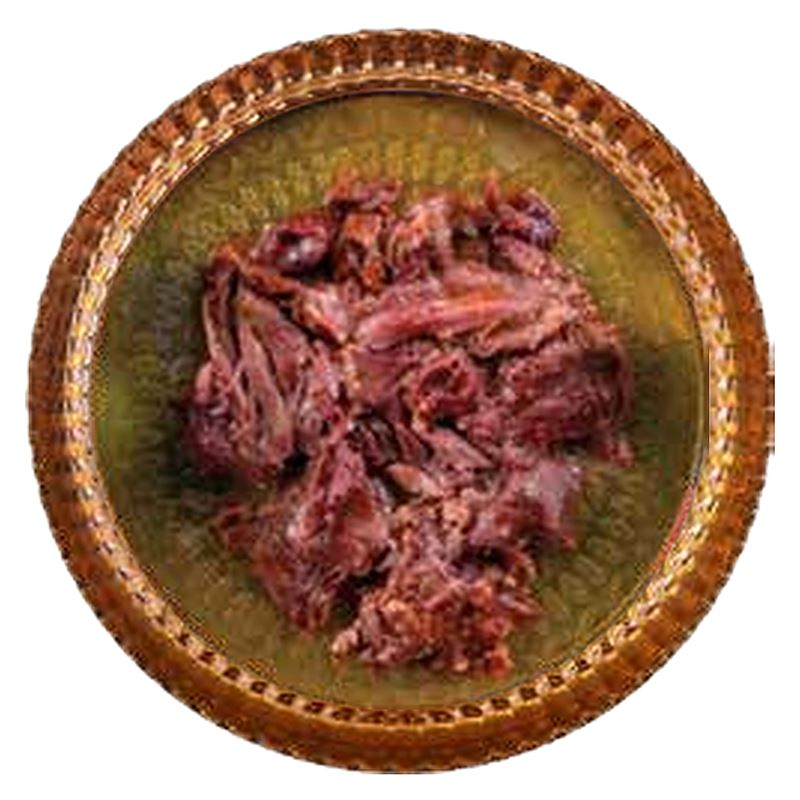
هل الكلة باجة مُسمِّنة؟ إجابة صادقة
من أكثر ما يبحث عنه الناس بهدوء قبل الطلب: هل الكلة باجة مُسمِّنة؟ الإجابة الصادقة أنها تعتمد كلياً على ما تطلبه وكم تأكل منه. الكلة باجة (كله باتشه) مرق يُطهى ببطء من رأس الخروف وأقدامه، وهو غني نوعياً بالكولاجين والجيلاتين والبروتين والمعادن. بعض القطع أقل دهناً وبعضها أغنى بالدهن بوضوح، فلا يوجد حكم واحد يناسب كل وعاء. وبدل تصنيف الطبق، من الأنفع أن تفهم الخيارات داخله.
ماذا تعني كلمة «مُسمِّنة» هنا فعلاً؟
لا يكون الطعام مُسمِّناً بمعزل عن سياقه؛ المهم هو القطعة والحصة وما تقرنه به وكيف يندرج ضمن يومك كله. وعاء صغير من المرق السادة مع قليل من السنجك يختلف تماماً عن طبق كبير مشترك مع خبز إضافي. الكلة باجة (بالفارسية: کلهپاچه)، المعروفة في الخليج والعراق باسم الباجة، تُطهى نحو أربع عشرة ساعة في قِدر نحاسي مع البصل والكركم والثوم حتى يصير المرق بلون الشاي الغامق. هذا الغنى هو تماماً سبب إشباعها، وهو أيضاً سبب أهمية القطعة والحصة.
كم عدد السعرات في الكلة باجة؟
ستجد أرقام سعرات واثقة على الإنترنت، لكن الموقف الصادق أننا لا نذكر رقماً ثابتاً، لأنه لا يوجد رقم واحد صحيح. وعاء من المرق السادة، وطبق لسان قليل الدهن، وحصة دسمة من الوجنة «لحم ودهن» ليست الطعام نفسه من ناحية القيمة الغذائية. ترتفع السعرات مع القطع الأدسم ومع مزيد من الخبز ومع الحصص الأكبر؛ وتنخفض مع القطع الأقل دهناً والحصص الأصغر. وإن أردت صورة أوفى عمّا في الوعاء فعلاً، فمقالنا عن البروتين والكولاجين في الكلة باجة يصف خصائصها دون اختلاق أرقام.
أخف أم أدسم: كيف تختار وعاءك
أسهل طريقة لأكل الكلة باجة بما يناسبك هي اتخاذ بضعة خيارات صغيرة عند الطلب. الجدول أدناه دليل عام لا قاعدة صارمة.
| العنصر | الخيار الأخف | الخيار الأدسم |
|---|---|---|
| القطعة | المرق السادة، اللسان، الأقدام | الوجنة «لحم ودهن»، المخ |
| المرق | مرق صافٍ منزوع الرغوة وحده | مرق دسم كامل مع قطع إضافية |
| الخبز | قليل من السنجك يُمزَّق ببطء | كميات كبيرة مغموسة في المرق |
| الحصة | حصة فردية، وشارك الطبق | طبق كامل لك وحدك |
| المرافقات | مخلل ودوغ للموازنة | خبز إضافي وإضافات دسمة |
كيف تأكل الكلة باجة بطريقة أخف؟
إن أردت التجربة بأثر أخف، فابدأ بـالمرق السادة أو القطع الأقل دهناً مثل اللسان أو الأقدام، وقلِّل ما تغمسه من السنجك. مشاركة طبق جماعي، يكفي شخصاً أو شخصين أو ثلاثة أو ستة، تُبقي الحصص الفردية معتدلة بطبيعتها. قليل من مخلل الثوم المعتَّق سبع سنوات أو المخلل المشكّل يقطع الدسم ويضيف انتعاشاً، والدوغ رفيق منعش لاذع. لا يسلبك هذا المتعة؛ بل يتيح لك ضبط التوازن بنفسك. يمكنك تكوين وعائك على صفحة القائمة والطلب.
لماذا المرق مُشبع إلى حد يجعلك تأكل أقل؟
جزء مما يجعل الكلة باجة تبدو دسمة هو نفسه ما يجعلها مُشبعة. يحمل المرق بروتيناً وكولاجيناً من الطهي الطويل، ويُقدَّم ساخناً، ما يميل إلى إبطائك وتشجيعك على ملاعق أصغر تُتذوَّق على مهل. يجد كثير من الروّاد أن وعاءً معتدلاً يتركهم مشبعين فعلاً، فيأكلون أقل مما توقعوا. هذا الدفء والشبع جزء كبير من سبب حب هذا الطبق بوصفه وجبة صباح مُنعشة عبر الأجيال.
تناولها على طريقتك، في دبي
لا شيء من هذا نصيحة طبية أو غذائية؛ إنه إرشاد طهوي، والاحتياجات تختلف من شخص إلى آخر. ما نستطيع قوله إن الكلة باجة مرنة: أنت تحدّد القطعة والحصة والمرافقات، والطبق يلاقيك هناك. مطعم شون ذا شيب على شارع جميرا مفتوح ٢٤ ساعة طوال أيام الأسبوع، مع توصيل يشمل كل دبي واستلام وتناول في المكان، واللحم حلال وفق قانون الإمارات. اختر وعاءً أخف أو أدسم، أو احجز طاولة لتستمتع به على مهل، أو اطلبه دافئاً إلى بابك.
