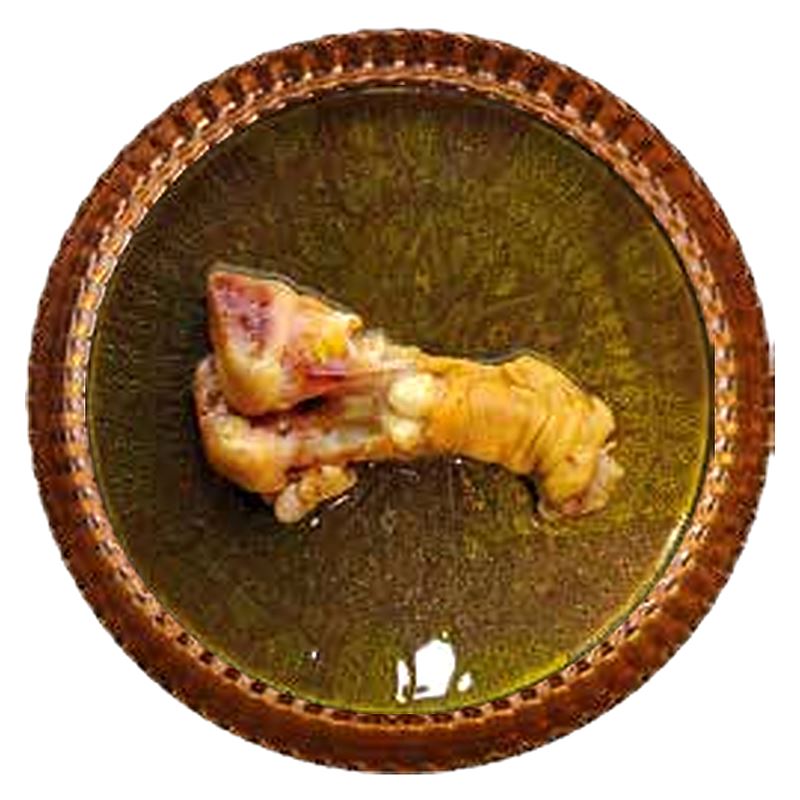
میشود خواست باقیماندهٔ سرِ میز را بستهبندی کنند؟
این آشناترین لحظهٔ سرِ میز کلهپاچه است. دیس دستودلبازانه میآید، ده دقیقهٔ اول همه محکم میافتند به جانش، و بعد آبگوشت و ژلاتین و نان همان میکنند که همیشه: زودتر از آنچه فکرش را کردهاید سیر میکنند. نصف پاچه هنوز سرِ جایش است و دل هیچکس نمیآید رهایش کند.
پس بگویید. به همکاری که میزتان را سرویس میدهد بگویید میخواهید باقی را با خودتان ببرید و بگذارید خودشان ترتیبش را بدهند. در سالن ما در خیابان جمیرا، پلاک ۶۴ این خواسته کاملاً عادی است و کسی تعجب نمیکند. چیزی که این مطلب قولش را نمیدهد، ظرف یا جعبهٔ مشخصی است؛ این را همان شب و بر اساس آنچه برایتان مانده تصمیم میگیرند. بپرسید تا بگویند چه میتوانند بکنند.
دو نکتهٔ کوچک کار را راه میاندازد. وقتی هنوز نشستهاید بگویید، نه وقتی میز دارد جمع میشود؛ و بگویید چه چیزی را میخواهید نگه دارند — مثلاً زبان و گوشت و یک ظرف آبگوشت — نه اینکه کل دیس را تحویل بدهید. استخوانهای زیرورو شده و نانی که در آبگوشت سرد شده ارزش بردن ندارند.
غذایی اینقدر آبدار را چطور به خانه برسانیم که رویمان نریزد؟
پیش از بلند شدن، سی ثانیه فکر کردن برایش میارزد. کلهپاچه غذای خشکی نیست: آبگوشت در کاسه، چسبیده به پاچه، کشیدهشده در نان. مایع سرِ کج شدن کوتاه نمیآید و درِ ظرف هم تضمینی نیست.
- صاف نگه دارید، با دست از زیر. کف دست زیر ظرف بهتر از دو انگشت در دستهٔ نایلون است؛ کیسه تاب میخورد، دست نه.
- کفِ ماشین، نه روی صندلی. کفِ پشتِ صندلیهای جلو صافترین و بیلغزشترین جای بیشتر ماشینهاست. صندلی شیب دارد و لیز است، و در صندوق عقب هم سرِ اولین پیچ همهچیز تا آنسر سُر میخورد.
- روی هم نگذارید. هرچه زیر بماند له میشود، و آبگوشت هر درزی را پیدا میکند.
- یکراست خانه. هر توقف در راه، یک فرصت دیگر برای چپه شدن است و وقتی که غذا بیرون از یخچال میگذراند.
آبگوشت و تکههای جامد را جدا ببریم؟
هرجا شدنی است، بله. سطح پهنِ مایع داغ تاب میخورد، تکههای داخل آبگوشت داغ تا خانه همچنان وا میروند، و نانِ مانده در آبگوشت پیش از رسیدن به درِ خانه خمیر میشود. اجزای دیس هم در راه رفتار متفاوتی دارند.
| جزء | در راه چه میکند | خوب است بدانید |
|---|---|---|
| آبگوشت | تنها چیزی که واقعاً میتواند بریزد | ظرف دربستهٔ خودش، با کمی جای خالی بالا، ایستاده حمل شود |
| پاچه | ژلاتین که سرد شود میبندد و تودهٔ چسبناکی میشود | کاملاً طبیعی است؛ با حرارت ملایم دوباره باز میشود |
| مغز | نرم مثل فرنی است و با تکان تکهتکه میشود | کامل نگهش دارید و بالای بقیه بگذاریدش |
| زبان، گوشت و «گوشت و چربی» | از همهٔ دیس بهتر سفر میکنند | همینها بیش از همه ارزش بردن دارند |
| سیرابی | حالت فنری دارد، شکلش را نگه میدارد، دردسر ندارد | در آبگوشت یا بیرونش، هر دو خوب است |
| سنگک | در مایع زود خیس و وارفته میشود | خشک و جدا نگهش دارید؛ تِلیت را سرِ میز درست میکنند، نه توی کیسه |
| ترشی و پیاز خام | تندیشان در آبگوشتِ ولرم میپرد | اصلاً داخل ظرف نگذاریدشان |
تا پا به خانه گذاشتید اول چه کار کنید؟
اول یخچال، بعد مرتب کردن: پیش از کفش، پیش از کتری، پیش از مبل. غذایی که روی کابینت میماند تا شما جا بیفتید، بیدلیل بیشتر در دمای اتاق مانده است.
بقیهاش را ساده و محتاطانه پیش ببرید: اگر ظرفی که غذا در آن آمده فقط به درد مسیر میخورد، به ظرفی تمیز و دردار منتقلش کنید؛ آبگوشت و تکهها را در یخچال هم مثل ماشین جدا نگه دارید؛ و فقط همان مقداری را که میخواهید بخورید آرام گرم کنید، نه اینکه همه را گرم کنید و برگردانید.
جزئیات بیشتر در راهنمای گرم کردن و نگهداری کلهپاچه آمده و ایدههای خوبی هم برای باقیمانده در مطلب روز دوم هست. چیزی که از ما نمیشنوید، تعداد ساعت یا درجهٔ حرارت است، چون به آشپزخانه و یخچال شما و به اینکه آن شب چطور گذشت بستگی دارد. به تشخیص خودتان تکیه کنید و توصیههای ایمنی غذای محل زندگیتان را دنبال کنید.
برای سفارش ارسالی که تمامش نکردهایم هم همین است؟
در کل بله، با یک تفاوت: سفارش ارسالی پیش از رسیدن به شما یک سفر رفته است. بسته شده، راه آمده، و تا شما همه را سرِ میز جمع کنید منتظر مانده. یعنی ساعتشماریاش زودتر از دیسی شروع شده که ده دقیقه پیش تصمیم گرفتید با خودتان ببرید.
پس زودتر تصمیم بگیرید. اگر میبینید دیس تمامشدنی نیست، سهم دستنخورده را همان موقع کنار بگذارید و بفرستید توی یخچال، بهجای اینکه همهچیز بیرون بماند تا حرفها تمام شود. آنچه یک ساعت باز روی میزِ گرم مانده یک چیز است و آنچه اصلاً از ظرفش بیرون نیامده چیز دیگر. همین حرف دربارهٔ سفارشی که خودتان تحویل گرفتهاید و دیر بازش کردهاید هم صدق میکند، و یکی از دلیلهای بیسروصدای انتخابِ ساعتِ تحویلِ دیرتر همین است.
بهتر نیست بهجای حساب کردن روی باقیمانده، دیس کوچکتر سفارش بدهیم؟
تقریباً همیشه بله؛ جواب صادقانه، نه آنچه از یک رستوران انتظار میرود. کلهپاچه سنگین است و زودتر از حجمش سیر میکند. باقیمانده یک نجات است، نه یک نقشه.
| چند نفر | معمولاً چه اندازهای جواب میدهد |
|---|---|
| یک نفر | تکپرس، یا یک جزء بهتنهایی |
| دو نفر | پرس دوبل |
| سه نفر | دیس سهنفره |
| شش نفر | دیس ششنفره |
| میزی که هرکس چیز دیگری میخواهد | تکپرسها: مغز، زبان، چشم، پاچه، سیرابی، گوشت، گوشت و چربی، و معجون؛ هر نفر یکی |
چقدر برای هر نفر سفارش بدهیم و توضیح اندازهٔ دیسها مفصل به این پرداختهاند. و چون آشپزخانه شبانهروزی باز است، کمی کمتر سفارش دادن کمریسک است: اگر میز هنوز گرسنه بود، بیشترش چند لمس در منو فاصله دارد و داغ میرسد، نه در خاطره.
وقتی مطمئن نیستید نگه داشتنش میارزد، قاعدهٔ عاقلانه چیست؟
شک کردید، بگذاریدش کنار. کل قاعده همین است و بیهیچ خجالتی هم باید اجرا شود: هزینهٔ اشتباه خیلی بیشتر از یک سفارش تازه است. اگر چیزی مدت زیادی روی میزِ گرم مانده، اگر چند نفر زیرورویش کردهاند، یا اگر ظاهر و بویش تردیدی در شما ایجاد میکند، جوابتان همین است.
عکسش هم درست است: آنچه بیشتر ارزش بردن دارد تکههای محکم است، یعنی زبان و گوشت و سیرابی، بهعلاوهٔ آبگوشت در ظرف خودش. اما مقدار کمی از چیزی لطیف، در مایعی که رو به سردی است، بهترینش را همانجا داده.
شون د شیپ در خیابان جمیرا، پلاک ۶۴، جمیرا ۱، دبی است؛ شبانهروزی و هفت روز هفته باز، برای صرف در رستوران، تحویل حضوری و ارسال به سراسر دبی، و هزینهٔ ارسال طبق منطقهٔ شما هنگام پرداخت نشان داده میشود. میتوانید ساعتی دیرتر را هم برای تحویل انتخاب کنید، که معمولاً از زود خوردن و نصفش را نگه داشتن بهتر است. منو را ببینید و سفارش بدهید، میز رزرو کنید، یا با +971 4 321 8882 تماس بگیرید.
