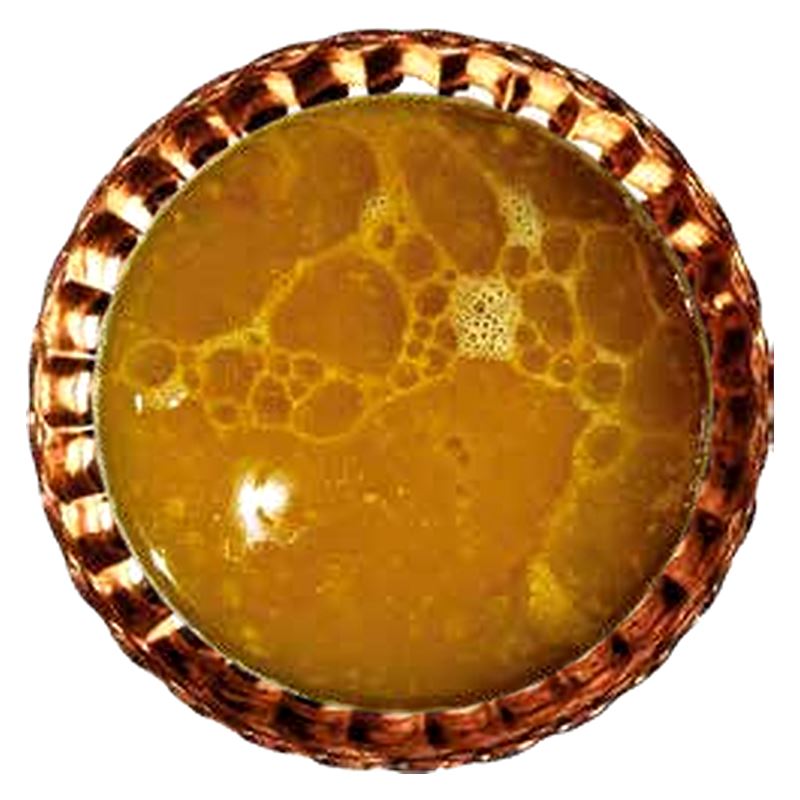
Can you keep leftover kalle pache, and should you?
Kalle pache is made to be eaten the moment it is ladled, hot and glossy, straight from a copper pot that has simmered for the better part of fourteen hours. That is its nature. But life happens: the platter was generous, the table ran late, and now there is a bowl of rich lamb broth and tender trotters sitting on the counter. The good news is that, handled sensibly, leftover kalle pache keeps beautifully for a short while. The honest news is that a bowl freshly simmered will always be the better bowl — and in Dubai, ordering fresh is genuinely easier than fussing with leftovers.
This is general, common-sense food handling, not food-safety authority. When something looks or smells off, the rule is simple: when in doubt, don't.
How do you store leftover broth and solids?
The single most important step happens before the fridge: cool it promptly. A deep bowl of broth holds heat for a surprisingly long time, so let it come down from steaming to just-warm quickly — ideally within about two hours — rather than leaving it out all evening. Dividing a large batch into smaller, shallower containers helps it cool faster and reheat more evenly later.
Once cooled, store it airtight in the fridge. Where you can, keep the broth and the solids — the paye, the tongue, the meat — together in the same container. The broth blankets the pieces and keeps them from drying, and the gelatin-rich liquid will set to a soft, wobbling gel when cold. That gel is a good sign, not a fault; it melts straight back into silky broth the moment it warms. If you prefer to store them apart for portioning, that is fine too; just keep both well sealed.
How do you reheat kalle pache without ruining it?
Reheat gently, and reheat on the stovetop. Tip the broth and solids into a pot over a medium-low flame and bring it slowly up to a proper steaming heat — hot all the way through, with wisps of steam and the faintest tremble at the surface. What you are avoiding is a hard, rolling boil. A violent boil tightens the tender trotter skin, can make delicate pieces like brain and tongue rubbery, and dulls the very texture that makes kalle pache what it is. Stir now and then so it heats evenly, and add a splash of water if the chilled broth has thickened more than you like. Warm your sangak, crush a clove of seven-year garlic pickle, and you are most of the way home.
| Stage | Do this | Avoid this |
|---|---|---|
| Cooling | Cool promptly, ideally within ~2 hours; use shallow containers | Leaving the bowl out all evening |
| Storing | Airtight; broth over the solids to keep them moist | Loosely covered; solids dried out and exposed |
| Timing | Enjoy within a day or two; trust your senses | Reheating repeatedly, day after day |
| Reheating | Stovetop, medium-low, up to a gentle steaming heat | A hard rolling boil, or blasting it in bursts |
| Serving | Loosen with a splash of water; fresh bread and torshi | Serving lukewarm or unevenly heated |
What about reheating this Persian soup more than once?
As a rule of thumb, reheat only the portion you plan to eat, and reheat it once. Repeatedly warming and re-chilling the whole pot is where texture and freshness quietly slip away, and it is simply not worth it with a dish this delicate. Refrigerated kalle pache is at its best within a day or two of being made. Freezing the plain broth is more forgiving than freezing the finished pieces, since the tender offal changes texture when frozen — but again, none of this rivals a bowl that has just left the pot.
Why fresh from a 24-hour kitchen is always best
All of this care is really an argument for skipping the leftovers altogether. At Shaun the Sheep on Jumeira Street, the pot never really stops — we are open twenty-four hours, seven days a week, simmering lamb head and trotters low and slow the traditional Tehran way. That means the freshest, glossiest bowl is only ever a short wait away, whether you dine in, collect, or have it delivered across Dubai. You can browse the full spread — plain broth, paye, zaban, maghz, the Special Mix and communal platters for one to six — on our menu and order page, or reserve a table for a proper dawn feast. New to it all? Our guide on how to eat kalle pache for the first time is a warm place to start. Leftovers, handled well, are a fine encore — but fresh is the headline act.
