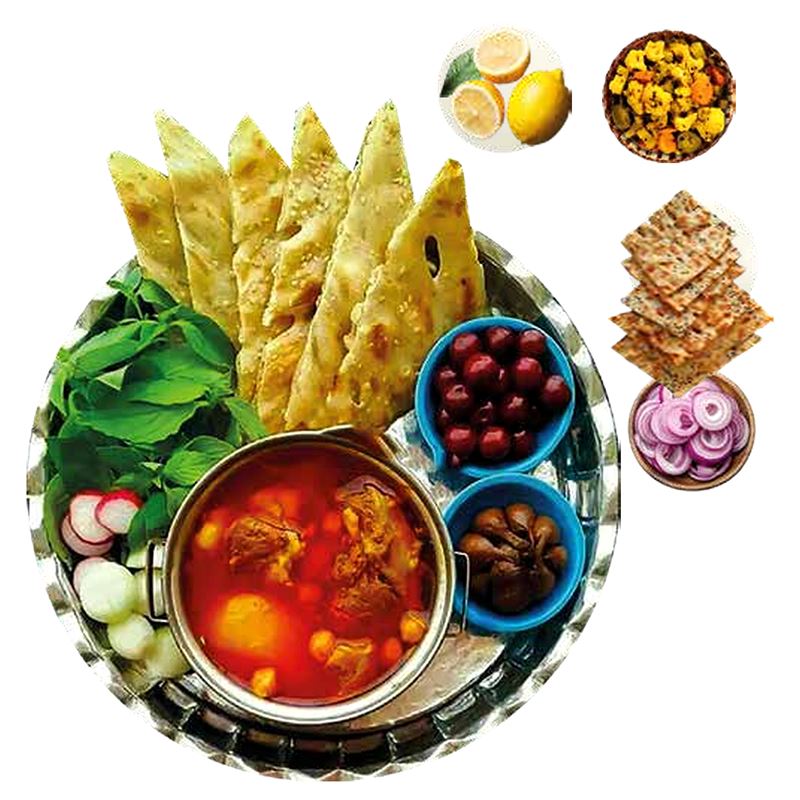
آیا کلهپاچهی باقیمانده واقعاً ارزش نگهداشتن دارد؟
بیشک — و کلهپاچهی باقیمانده شاید یکی از بهترین باقیماندههای کل آشپزی ایرانی باشد. ببینید واقعاً چه چیزی در آن ظرف مانده: آبگوشتی که نزدیک چهارده ساعت روی شعلهی ملایم روی سر و پاچهی گوسفند جوشیده و هر ساعت کفگیری شده تا به رنگ چای پررنگ درآمده. این فقط یک کاسه غذای دیشب نیست؛ یک شیشه عصارهی غلیظ و سرشار از ژلاتین است که خیلی از آشپزها با کمال میل پولش را میدهند. درست باهاش رفتار کنید، و همان روز دوم بهتنهایی دلیل کافی میشود که از اول پُرس بزرگتر سفارش بدهید. این راهنما دربارهی خوشمزه کردن باقیمانده است، نه ایمنی غذا — برای بخش ایمنی، کلهپاچه را زود خنک کنید، خوب سرد نگه دارید، و پیش از خوردن تا داغِ داغ گرمش کنید.
با آبگوشت باقیماندهی کلهپاچه چه میتوان پخت؟
آبگوشت همان گنج است، پس از همان شروع کنید. وقتی از یخچال بیرون میآید به یک ژلهی نرم و لرزان بسته — همان کلاژنِ حاصل از آنهمه ساعت جوشیدن است، و بهمحض گرمشدن دوباره به لطافتِ آبگوشت بازمیگردد.
برنجتان را در آن بپزید. سادهترین و کارسازترین ترفند این است که یک قابلمه کته بار بگذارید و بهجای آب از آبگوشت استفاده کنید. برنج را بشویید، بهاندازهای آبگوشتِ گرم بریزید که مغزپخت شود، و بگذارید آرام دم بکشد. حاصلش برنجی است عمیقاً خوشطعم و کمی طلایی که بهتنهایی مزهی یک وعدهی کامل را دارد. هر تکه گوشتِ باقیمانده را هم ریشریش کنید و لای برنج بریزید تا عملاً از تهمانده، شام تازهای بسازید.
یک آش یا سوپ سریع درست کنید. همان آبگوشت پایهای پنجستاره برای آش ایرانی یا یک سوپ سادهی عدس یا جو است. گرمش کنید، یک مشت حبوبات یا عدسِ خیسانده، کمی سبزی خردشده و اندکی برنج یا رشته بیفزایید و بگذارید جا بیفتد. چون آبگوشت از پیش عمقِ گوشت و پیاز و زردچوبه و سیرِ دیرجوش را با خود دارد، شما سختترین بخش را رد کردهاید و از جایی شروع میکنید که بیشتر سوپها آرزوی رسیدن به آن را دارند.
ژله را بهچشم بمبِ طعم نگه دارید. اگر فقط کمی آبگوشت مانده، رقیقش نکنید — با ژلهی بستهشده مثل عصارهی خانگی رفتار کنید. یک قاشق از آن در قابلمهی عدسی، خورشِ لوبیا یا برنج فردا، فوراً قوام و مزه میدهد. بعضی آشپزها همین را در قالب یخ فریز میکنند تا سرِ فرصت استفاده کنند.
بهترین راه استفاده از گوشت باقیمانده چیست؟
گوشت کلهپاچه — بناگوشِ لطیف، زبانِ حریرمانند، و گوشتی که از پاچه جدا میشود — نرم، پرمایه و از پیش کاملاً چاشنیخورده است. حرکتِ کلاسیکِ تهرانی، ساندویچ روز بعد است. تکهها را در کمی آبگوشت گرم کنید تا آبدار بمانند، ریشریش یا برش بزنید، و لای یک تکه نان سنگکِ گرم بگذارید با یک مشت ترشی مخلوط، کمی سبزی تازه، پیاز نازکخلال و یک فشار آبلیمو. اگر دل و جرئتش را دارید یک حبه ترشی سیر هفتساله هم لهش کنید. شلوغ و پُرسیر است و راستش یکی از بهترین ساندویچهایی است که میشود در خانه ساخت.
ترجیح میدهید در کاسه بمانید؟ تیلیت درست کنید: نان سنگکِ روزِ قبل را در کاسه بریزید، آبگوشتِ داغ و سرحالشده را رویش بکشید تا نان نرم شود، و گوشتِ گرم را رویش تلنبار کنید. همان منطقِ دلچسبِ آبگوشت را دنبال میکند و مقدار کمی باقیمانده را به یک بشقاب کامل و سیرکننده بدل میکند.
کدام باقیمانده به کدام غذای روز بعد میخورد؟
نمیدانید از کجا شروع کنید؟ آنچه واقعاً در ظرفتان مانده را با غذایی که بهترین جلوه را به آن میدهد جور کنید.
| چه چیزی برایتان مانده | بهترین غذای روز بعد | چطور |
|---|---|---|
| آبگوشت فراوان | کته (برنج پخته با آبگوشت) یا آش / سوپ سریع | برنج شسته را در آبگوشت گرم بپزید، یا با حبوبات و عدس و سبزی بجوشانید |
| آبگوشت کم، بسته به ژله | تقویتکنندهی طعم / عصارهی خانگی | یک قاشق در عدسی، لوبیا یا برنج فردا آب کنید؛ بقیه را قالبیخی فریز کنید |
| گوشت لطیف (بناگوش، زبان، پاچه) | ساندویچ سنگک | در آبگوشت گرم کنید، لای سنگک با ترشی و سبزی و پیاز و آبلیمو بگذارید |
| تهماندهی هر دو | تیلیت | سنگک را در آبگوشت داغ بریزید و گوشت گرم را رویش تلنبار کنید |
چطور باقیمانده را گرم کنیم که هنوز خوشمزه بماند؟
گرمکردن برای طعم کمی با گرمکردن برای ایمنی فرق دارد. هدف اینجا برگرداندنِ براقی و بالا آوردن چاشنی است که در یخچال طبیعتاً کمرنگ میشود. آبگوشت را روی گاز ملایم گرم کنید تا خوب بخار کند، و چون شبمانده غلیظ شده با کمی آب رقیقش کنید. بعد — و همین است که یادشان میرود — سرِ سفره، تازه چاشنی بزنید. یک فشار آبلیموی تازه، کمی سیر خام کوبیده، یک نوکانگشت دارچین و نمک بهسلیقه، آبگوشتِ سردشده را بیدار میکند و روز دوم را به روز اول نزدیک میسازد. سنگک را گرم کنید تا نرم و انعطافپذیر شود، ترشی تازه و ترشی سیر بگذارید، و دیگر اصلاً حس باقیمانده نخواهد داد. برای نگهداری و گرمکردنِ ایمن، زود خنکش کنید، خوب سرد نگه دارید، تا داغِ داغ گرمش کنید، و هر وقت ظاهر یا بوی چیزی عادی نبود، در صورت تردید مصرف نکنید.
برای اینکه باقیمانده بماند، چه اندازه پُرس سفارش بدهیم؟
رازِ صادقانهی پشت هر باقیماندهی خوب این است: از همان اول دستودلباز سفارش بدهید. در شونذشیپ، تنها آشپزخانهی تهرانیمان در خیابان جمیرا، پلاک ۶۴، سر و پاچهی گوسفند را شبانهروز میجوشاند — ما بیستوچهار ساعته و هفت روز هفته باز هستیم — و پُرسهای دستهجمعی برای دو، سه یا شش نفر دقیقاً برای همین ضیافتِ دوروزه ساخته شدهاند. سایز بزرگتر را بگیرید، امشب آیینش را تازه لذت ببرید، و بگذارید کته و سوپ و ساندویچِ فردا خودشان از پسِ خودشان بربیایند. به سراسر دبی تحویل میدهیم، با ارسال رایگان برای سفارشهای بالای ۳۰۰ درهم و پرداخت امن آنلاین با کارت، یا میتوانید حضوری ببرید و در رستوران میل کنید. همه را در صفحهی منو و سفارش ببینید، برای یک سفرهی سحرگاهیِ درستوحسابی میز رزرو کنید، و اگر بین سایزها ماندهاید، یک سایز بزرگتر بگیرید تا باقیمانده یک برنامهی حسابشده باشد نه اتفاقی. و وقتی واقعاً برایش برنامه میریزید، کدام بخشهای کلهپاچه تا فردا خوب میمانند؟ جزء به جزء میگوید چه را امشب تمام کنید و چه را کنار بگذارید.
