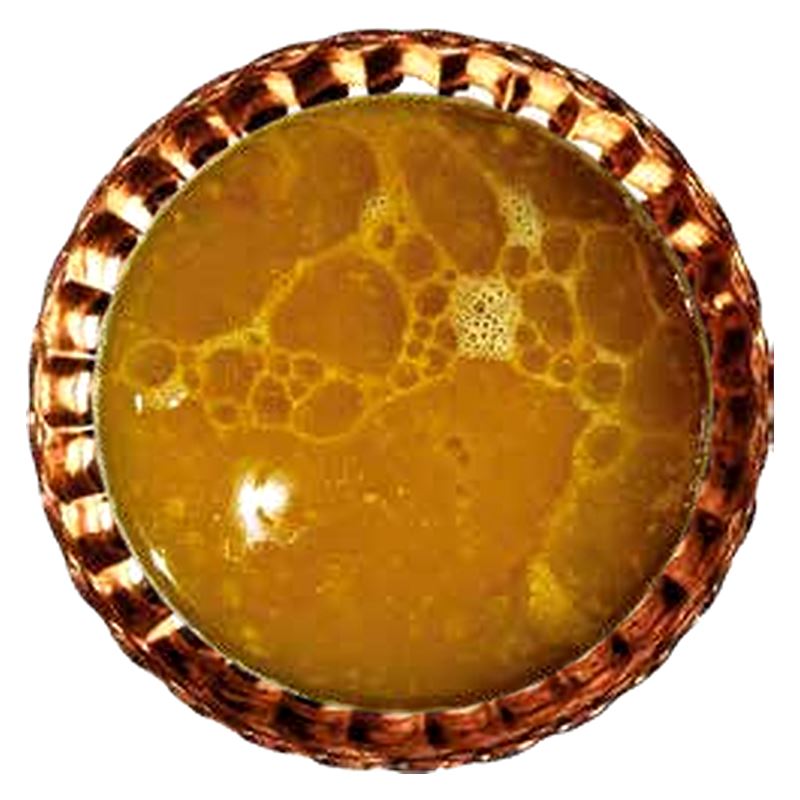
Yes — kalle pache can be a sensible thing to open an eating window with: it is protein-heavy, fat-rich, collagen-rich and, in the bowls at least, essentially free of sugar. But honestly it depends entirely on you, and nothing here is medical advice — if you have a condition, take medication, or are pregnant or breastfeeding, speak to your doctor or a registered dietitian before you change how or when you eat.
What this article can do is describe the food plainly, say which items are gentle and which are a full meal, and show you how to have it arrive at the hour you choose. What it will not do is name hours, ratios or protocols — that is between you and a qualified professional, not a kitchen.
What is kalle pache, nutritionally, in plain words?
Kalle pache is a lamb head-and-trotter dish, served as separate bowls rather than one mixed plate. The heads and trotters are cleaned and trimmed thoroughly, blanched with that first water thrown away, then simmered for many hours — about fourteen — and skimmed again and again as the pot works. That repeated skimming is most of the reason the broth tastes clean rather than heavy. The lamb is sourced to the UAE halal standard. If the dish is new to you, start with what kalle pache actually is.
In plain nutritional terms, that gives you three things and withholds a fourth. Protein, from the meat cuts — Meat, Tongue, Lamb Cheek, and the flesh on the trotters. Fat, where much of the flavour lives, and why a bowl feels substantial. Collagen, which dissolves out of bone, skin and trotters into the liquid over those long hours; you can watch it working when a cooled broth sets into a soft jelly. What there is almost none of is sugar: nothing sweetens the broth and no starch thickens it. The carbohydrate comes from the bread — Sangak is bread and behaves like bread — and from anything sweet you drink, such as Lemonade. None of that is a health claim. How it fits your own eating is a question for your doctor or dietitian.
Why does that profile appeal to people who eat in a window?
People eating inside a restricted window usually want something savoury and slow for their first meal rather than something sweet and quick — and kalle pache is about as far from sweet and quick as food gets. The broth is hot and hydrating, the meat cuts are properly filling, and nothing on the table has been engineered to be moreish. That is why this question reaches us so often, usually late at night, from somebody planning to eat at dawn.
We have to be careful exactly here, because this is where restaurants overstep. We are not saying kalle pache is good for fasting, or better than any other first meal, or that it does anything to your metabolism, blood sugar, sleep or energy. We do not know. Every cuisine has its own good answer to the same question, and we are not in the business of ranking them.
This is not medical advice. Ask your doctor or a registered dietitian before you build any eating pattern around any food, including this one.
Is a rich lamb broth too heavy after a long gap?
For some people, yes — and it costs us nothing to say so. A stomach empty for a long stretch may not welcome dense meat and fat as its first mouthful, and a new dish means unfamiliar textures at the same time. Our texture guide is there if that is the part making you hesitate.
The practical, non-medical answer most regulars land on: begin with liquid. Order the Soup on its own, drink the broth first, tear Sangak into it, and see how you feel before committing to anything denser. The soup-only approach exists for exactly this kind of caution.
What should I actually order?
| What you're asking | The honest answer | What to order |
|---|---|---|
| The gentlest possible start | Liquid before solids suits most people — but there is no rule, and this is not medical advice. | Soup, on its own, with Sangak Bread |
| Protein and almost no sugar | No sweetening, no starch thickener; the meat cuts are the protein-dense end of the menu. | Meat, Tongue, Lamb Cheek |
| I'm after the collagen | Long simmering dissolves it from bone, skin and trotters into the broth, which sets when cool. Food, not a supplement. | Soup, Trotters |
| The richest thing here | Brain is the softest, richest item — a lot on an empty stomach. | Brain Soup first; Brain by the bowl later |
| Opening the window with company | Platters are a full shared meal, not a light opener. | Double Dish, The Full Dish, The Khan's Platter |
| I don't eat meat | No vegetarian main, and we cannot promise separate preparation or utensils. | Omelette, Sangak, Mixed Torshi — phone 04 321 8882 first |
| I want it at one exact hour | Orders can be scheduled for a future time, up to about two days ahead. | Any of the above, scheduled online |
| A condition, or medication | We are not qualified to advise and will not guess. | See your doctor or dietitian first |
Why is it traditionally a dawn dish rather than a late one?
In Iran the pots go on overnight and the bowls are served early. Kalle pache is the meal that opens the day — eaten before work, with bread and hot tea — rather than the one that closes it. The habit is old and consistent, and it lines up with how people who eat on a restricted window think about a first meal.
Our kitchen is open 24 hours, every day, so you are not bound to that tradition. But if you have quietly wondered whether it is strange to want lamb broth at five in the morning: it is one of the most ordinary things in the world. Our first-timer's guide covers the bread and the tea.
How do I have it arrive exactly when my window opens?
Schedule it. On our website you can choose a future time for delivery, pickup or dine-in, up to about two days ahead, and the kitchen holds the order until then. For anyone eating on a fixed schedule that is the most useful thing on the site. You can also reserve a table if you would rather eat in.
The rest is deliberately short. No account, no sign-up, no password, no app — just your name and phone number, plus your Dubai area from the list and a pin on the map for delivery. Payment is by secure online card, prepaid at checkout; that is the only method. After you pay, the kitchen confirms and sets an estimated time, your order gets its own page, and the rider phones you on arrival. Delivery is free over AED 300. A rejected order is refunded automatically to the paying card, with the reason shown on the order page. It is all in our ordering guide, and if you would rather talk to a person, call 04 321 8882.
What if you don't eat meat?
Then this is honestly not the menu for you, and we would rather say so than sell you a compromise. The meat-free items are Omelette, Sangak Bread, Special Sangak, Mixed Torshi, Garlic Torshi, the vegetable add-ons and the drinks. There is no vegetarian main, no salad bar and no vegan dish. This is a kitchen built around lamb, and we will not make promises about separate preparation or utensils that we cannot back up. If that matters to you, phone 04 321 8882 and ask before you order.
The part we will not write
You will have noticed there are no hours here, no ratios and no named protocol. That is deliberate. Eating windows interact with medication, blood sugar, pregnancy, kidney and heart conditions, a history of disordered eating and plenty besides, and a kalle pache kitchen cannot weigh that for you.
So the last word is the same as the first: this is not medical advice. If you have a condition, take medicine, or are pregnant or breastfeeding, ask your doctor or a registered dietitian. Then order the bowl you actually want — and if you are still choosing, our guide to the singles will help.
