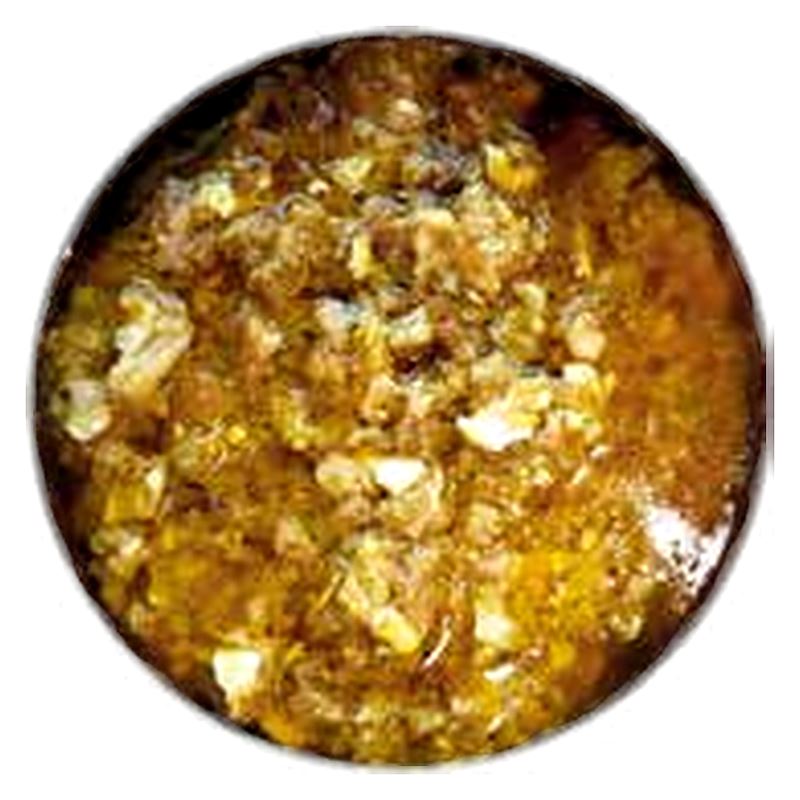
The thing that stops most people ordering kalle pache is not the flavour — it is the texture. The worry is specific: that something in the bowl will be soft, sticky or springy in a way the mouth is not ready for, with no graceful way out once the spoon is moving. That is a fair worry, and this guide answers it part by part, including the parts you may decide to skip.
None of this is a sales pitch. If you genuinely dislike gelatinous food, there are items on our menu you will not enjoy, and we name them plainly below.
Why does texture worry people more than taste?
Because taste is negotiable and texture is not. You can decide halfway through a spoonful that a flavour is interesting; texture makes its case in the first second. The dish also arrives as one warm landscape of broth, bread and pickles, so people assume everything feels the same. It does not. The parts differ as much as a slice of roast lamb differs from a spoonful of custard. Once you know which is which, you can order precisely, and precision is the whole trick.
The flavour is milder than the reputation suggests; the taste guide covers that separately. This page is only about how things feel.
What does each part actually feel like?
Soup — no texture challenge at all
The abgoosht broth is broth: warm, mostly clear, faintly rich on the lips from the long simmer, with nothing to chew. If texture is your only hesitation, Soup removes it completely. Plenty of people start here and stay a while — a respectable way to eat this dish, not a consolation prize. The soup-only route is a real option.
Meat — ordinary tender lamb
Nothing unusual happens here: slow-cooked lamb that comes apart against the side of a spoon, the way lamb behaves in any long braise. If you eat lamb, you already know this texture.
Tongue — firm, dense, the most familiar thing on the list
Tongue surprises people by being the least unfamiliar item we serve. It is firm, dense and fine-grained, and it slices cleanly — closer to a good cold cut than to anything unfamiliar. It does not collapse, stick or wobble. If your fear is about soft things, tongue is your safest single.
Lamb cheek — meltingly tender
The cheek is the hardest-working muscle, so it cooks longest, and the result is the softest form of ordinary meat: it gives way completely under a fork. Tender, but not slippery. Rich, but not sticky. This is usually the part that quietly wins over a cautious eater.
Brain — soft, smooth, custard-like
The honest description: brain is very soft. Smooth and yielding, closer to a set custard or soft tofu than to meat, with almost no resistance to your teeth. Some people find that luxurious; others find the complete absence of chew unsettling. Both reactions are common and neither is wrong. If softness is your particular worry, do not begin here. If you love silky textures, this may be your favourite thing we cook.
Eye — soft and rich, and small
The eye is a small portion, soft and rich, in the same family as brain but with a little more substance around it. People who love it love it for that softness, and honestly most first-timers leave it until last. There is no rush.
Trotters — gelatinous, the sticky-lipped one
This is the texture people mean when they say gelatinous. Trotters are skin, tendon and collagen cooked until the meat slides off the bone: silky, slightly slippery, and the broth leaves your lips faintly tacky, the same feeling as a properly reduced stock. Some people chase that sensation for life; others cannot get past it. If sticky lips are your dealbreaker, skip trotters. That is a legitimate preference, not a failure of nerve.
Tripe — springy and chewy
Tripe is the workout of the menu: springy, with genuine resistance, chewy in a bouncy way rather than a tough one. Think squid rings, or the stem of a firm mushroom. People who dislike soft food often like tripe best.
Special Mix — several textures in one bowl
The Special Mix puts several parts together: the best bowl for a curious eater, the hardest for a hesitant one, since you cannot control what your spoon finds next. Order it once you know your textures.
Which part suits which kind of eater?
| Part | Texture | Closest familiar thing | Who it suits |
|---|---|---|---|
| Soup | Liquid, nothing to chew | A rich clear broth | Everyone, especially first-timers |
| Meat | Tender, falls apart | Slow-cooked lamb stew | Anyone who eats lamb |
| Tongue | Firm, dense, sliceable | A good cold cut or brisket | People who dislike soft food |
| Lamb Cheek | Melting, but clearly meat | Braised short rib | Cautious eaters, step two |
| Brain | Very soft, smooth, delicate | Set custard, soft tofu | People who enjoy silky textures |
| Eye | Soft, rich, small portion | The softest part of a braise | The curious, later on |
| Trotters | Gelatinous, silky, sticky-lipped | Reduced stock, wing skin | Collagen lovers |
| Tripe | Springy, chewy, bouncy | Squid rings, firm mushroom | People who want a chew |
| Special Mix | Several textures at once | A mixed platter in one bowl | Those who know their taste |
What if I simply do not like gelatinous food?
Then order around it, without apology. Skip Trotters. Leave Eye for another day. Leave Brain until curiosity outweighs caution. Order Soup, Meat, Tongue and Lamb Cheek instead, add Tripe if you want something to chew, and you will have eaten a complete traditional bowl without meeting a texture you dislike. Choose singles by the bowl rather than the big platters, since The Full Dish and The Khan's Platter are built to include everything. Soup and tongue is a common order; the guide to choosing a single covers the same decision from the flavour side.
Does the food feel different as it cools?
Yes, and this is the most practically useful line here. Collagen-rich food is silkiest while hot and firms up noticeably as it cools: trotter broth thickens, brain becomes denser, the whole bowl feels heavier. So eat it soon after it reaches you. Order for a time when you are actually free to sit down, or place a scheduled order for a future time up to about two days ahead. The kitchen runs 24 hours, so the timing is yours.
Do the bread and pickles change how it feels?
More than you would expect. Sangak is a chewy, blistered flatbread, and its dryness and chew are the counterweight to everything soft in the bowl — tearing a piece and lifting the meat with it changes the mouthful entirely. Mixed Torshi and Garlic Torshi add crunch and acidity that reset the palate between spoonfuls. Onion, capsicum, fresh chili and pickled green chili can be ticked as extras for the same reason. Doogh, lemonade and black tea each cut the richness, and a Kettle of Tea is dine-in only.
Is any of this a health question?
Some of it honestly is. This is a rich, slow-cooked dish, and how often it suits you depends on your body, your own health and your doctor — not on an article. Nothing here is medical advice, and we make no claim that this food treats, prevents, heals or improves any condition. If you have any concern, ask your doctor or a registered dietitian. Our lamb is sourced to the UAE halal standard.
How do I order a small test?
Start from the website and pick a single bowl: one part, one texture, no commitment. There is no account, no sign-up and no app — your name and phone number are enough, plus your Dubai area from the list and a pin on the map for delivery. Payment is by secure online card at checkout, and delivery is free over AED 300. Pickup and dine-in are there too, and a table can be reserved. After you pay, the kitchen confirms and sets an estimated time, your order gets its own page, and the rider phones you on arrival. If the kitchen cannot take an order, it is refunded automatically to the card that paid, with the reason shown on the order page. One kitchen, 64 Jumeira Street, Jumeirah 1, delivering across Dubai, open 24 hours. To ask about a texture first, call 04 321 8882 — our only contact channel, answered at any hour.
