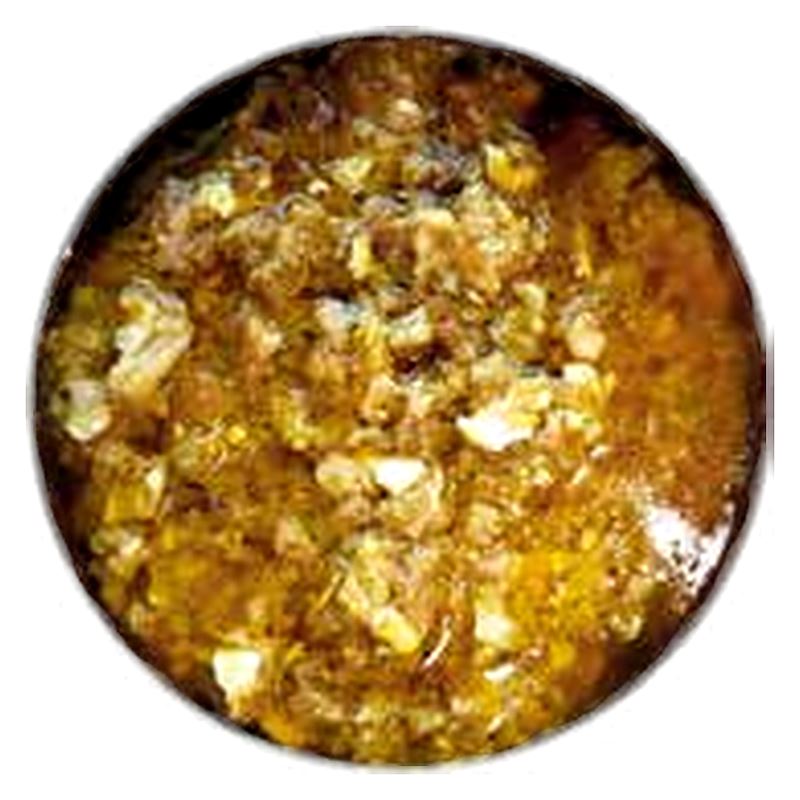
Kalle pache is not one flavour with one texture. It is about ten different things sharing a pot, and a newcomer who orders blindly can land on the boldest item first and decide the dish is not for them. That is a shame: the mildest part is milder than most people's lunch.
Why do the parts of one dish taste so different from each other?
Because they were never the same material: dense muscle, soft fat, skin, tendon, stomach lining, and the delicate tissue of brain and eye. The long simmer with onion, turmeric and garlic gives them a shared background; what survives is structural — how dense a piece is, and how much collagen it holds and melts. So bold means two things at once: flavour, how distinctly organ-like a part tastes, and texture, how far the mouthfeel sits from meat you know. Most parts agree on both; brain famously does not. See also the taste guide and the texture guide.
Which parts are the mildest and closest to meat you already eat?
Three items sit at the gentle end, and none surprises anyone who eats lamb. Soup is the broth alone: warm, deeply savoury, faintly silky on the lips, nothing to chew, and torn sangak dropped into a bowl of it is a complete meal. Meat is plain head meat in soft strands, rounder and sweeter than a grilled chop. Meat-and-fat is the same with the soft cooked fat left in — richer and more filling, nothing unfamiliar.
Where do trotters, tripe and tongue sit on the scale?
Tongue — mild flavour, firm texture
Dense, lean muscle that slices cleanly and tastes plainly savoury, without the organ edge people brace for. It is the safest single if softness worries you. Tongue in detail.
Tripe — mild flavour, springy texture
Honeycombed stomach lining, mild and good at soaking up broth, but genuinely chewy: springy rather than tough, closer to squid rings than to anything soft. The bite is what moves it up. More on tripe.
Trotters — rich flavour, gelatinous texture
The collagen heart of the dish: little meat, mostly skin and tendon cooked until silky. The flavour is rich rather than strong; the texture is what divides people — slightly slippery, leaving the lips faintly tacky, like a properly reduced stock. Some chase that sensation for life, others never make peace with it, and neither is a failure of nerve.
Which parts are the richest and most distinct, and what makes them so?
Brain soup is the gentle door into brain: broken into the broth rather than served whole, so the softness arrives carried by liquid instead of met head-on. Brain itself cuts both ways. In flavour it is the mildest solid on the platter — delicate, buttery, milder than the meat beside it. In texture it is the boldest thing in the pot: smooth, closer to set custard than to meat, with almost no resistance to the teeth. That is why it splits a table, and why lemon helps. Brain in full.
Eye is small, soft and the most concentrated mouthful on the platter, bold for intensity rather than size. Special mix ranks boldest of all because you give up control of what the spoon finds next.
| Part | Flavour and texture | Try it when |
|---|---|---|
| 1. Soup | Mild; liquid, no chew | Straight away |
| 2. Meat | Mild, sweet; soft strands | Straight away |
| 3. Meat-and-fat | Rich but familiar; glossy | You like a fatty chop |
| 4. Tongue | Mild; firm, sliceable | Soft food worries you |
| 5. Tripe | Mild; springy, chewy | You want a real chew |
| 6. Trotters | Rich, not strong; gelatinous | Ready for the real thing |
| 7. Brain soup | Mild; soft, in liquid | Brain tempts, texture worries |
| 8. Brain | Mildest of all; custard-soft | You love silky food |
| 9. Eye | Concentrated; small, dense | Curiosity wins |
| 10. Special mix | Everything at once | You know your taste |
How does the broth change where a part sits on that scale?
Considerably — this is the lever most newcomers do not know they hold. Broth narrows the gap: anything taken with a spoonful of it tastes more like the broth and less like itself, and tearing sangak to lift a piece wraps a soft texture inside a chewy one. Acid works the other way — lemon above all on brain and trotters, torshi to reset the palate, cold salted doogh to cut richness. Temperature matters most: collagen is silkiest while hot and firms as it cools, so trotters and brain feel bolder in a bowl left sitting. The sides guide goes further.
What is a sensible order to try them in over a few visits?
Spread it across four visits rather than four courses. The kitchen runs 24 hours a day, seven days a week, and you can schedule an order for a future time.
- Soup and meat, with sangak, torshi and doogh — a full traditional meal that teaches you the broth, the flavour everything else is built on.
- Tongue, keeping the soup. If firm textures appeal, add tripe.
- Trotters, hot, with plenty of bread and a squeeze of lemon. This visit tells you how you really feel about kalle pache.
- Brain soup, then brain. Leave the eye until curiosity arrives, and the special mix until you have preferences worth mixing.
Keep to one new part per visit, alongside something you already like. A newcomer's first three orders follows the same logic.
How do you build one plate that spans mild to bold for a mixed table?
The common Dubai situation: one person grew up on the dish, two have never seen it. Cover the whole scale rather than compromise in the middle. Start with a platter sized to the table — a single dish for one, a double for two, three-person and six-person platters for a group — then add singles of the parts people want.
Lay the plate out along the scale, mild at one end and bold at the other, so people see what they are reaching for and stop where they like, and keep torshi at the side as a palate reset. It is a rich, protein- and collagen-heavy meal, so how often it suits you is a question for your doctor. The lamb is halal, in line with UAE law and standards.
Eat in at 64 Jumeira Street, Jumeirah 1, collect your order, or have it delivered across Dubai, with a delivery fee that depends on your area, shown at checkout. Order online at any hour, reserve a table, or call +971 4 321 8882.
