What do you eat with kalle pache?
The three classic sides for kalle pache are warm stone-baked sangak bread for dipping, sharp seven-year garlic torshi to cut the richness, and cold salted doogh to refresh the palate. In a traditional Tehran-style kalle pache breakfast, these are not optional extras. They are the supporting cast that turns a bowl of slow-cooked lamb broth into a complete meal, and locals rarely order the dish without them.
Kalle pache (Persian kalle pache, known in the Gulf and Iraq as baja / الباجة) is a rich, gelatin-heavy dish of slow-cooked lamb head and trotters. Because it is so deep and fatty, it needs balance. The traditional answer is bread to carry it, acid to cut it, and something cool to reset the palate between bites. That is exactly what sangak, torshi and doogh do, each in its own way. You can see them alongside every platter on our menu.
| Side | What it is | What it does |
|---|---|---|
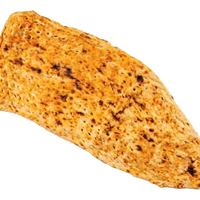
| Sangak | Stone-baked whole-wheat flatbread | Scoops broth, brain and cheek; soaks up the liquor |
| Torshi | Seven-year aged garlic pickles | Sharp acidity cuts the fatty richness |
| Doogh | Cold salted yogurt drink | Refreshes and lightens between rich bites |
Why is sangak bread the perfect partner?
Sangak is a stone-baked whole-wheat flatbread, and at a kalle pache table it does the work of a spoon. You tear a piece, dip it into the tea-coloured broth, and fold in soft brain, tongue or lamb cheek. Because our broth is simmered for around fourteen hours until it turns the colour of strong tea, every scrap of bread carries flavour. Regulars build small bite-sized parcels of bread and meat, then chase them with broth. Fresh, warm sangak is baked to go with the dish, and it is what most people reach for first.
What is torshi and why does it matter?
Torshi is the Persian word for pickles, and the classic match for kalle pache is seven-year aged garlic torshi. Over years in vinegar the garlic mellows, darkens and turns almost sweet, but it keeps a bright, sharp edge. That acidity is the whole point: a fatty, collagen-rich broth can feel heavy on its own, and a bite of sour pickle resets your mouth so the next spoonful tastes as good as the first. It is the single most important flavour contrast on the table.
What is doogh, the yogurt drink?
Doogh is a chilled, lightly salted yogurt drink, sometimes touched with dried mint, and it is the traditional thing to sip alongside a rich Persian meal. Served cold, it cools and lightens the palate between mouthfuls of hot broth. Where torshi cuts the richness with acid, doogh does it with cool, savoury dairy, so the two work as a pair. Many people find a cold glass of doogh makes a heavy dawn meal feel far easier to finish.
How do locals combine them?
The rhythm is simple. Tear sangak, dip it in broth, add a piece of brain or cheek, and eat. Follow it with a bite of garlic torshi to sharpen the palate, then a sip of cold doogh to refresh. Repeat. Traditionally kalle pache is a dawn or breakfast food, and the full spread of broth, bread, pickle and doogh is meant to be shared slowly. Our communal platters serve one, two, three or six people, so a group can pass the sides around the table the way it is done back home.
Where can you try the full spread in Dubai?
At Shaun the Sheep Cafe and Restaurant on 64 Jumeira Street, Jumeirah 1, you can order the whole traditional table: a platter of your choice with fresh sangak, seven-year garlic torshi and cold doogh, all of it halal. We are open 24 hours, seven days a week, for dine-in, pickup and delivery across Dubai. You can see the full menu and order online, or book a table if you want to bring a group for the full breakfast experience.
