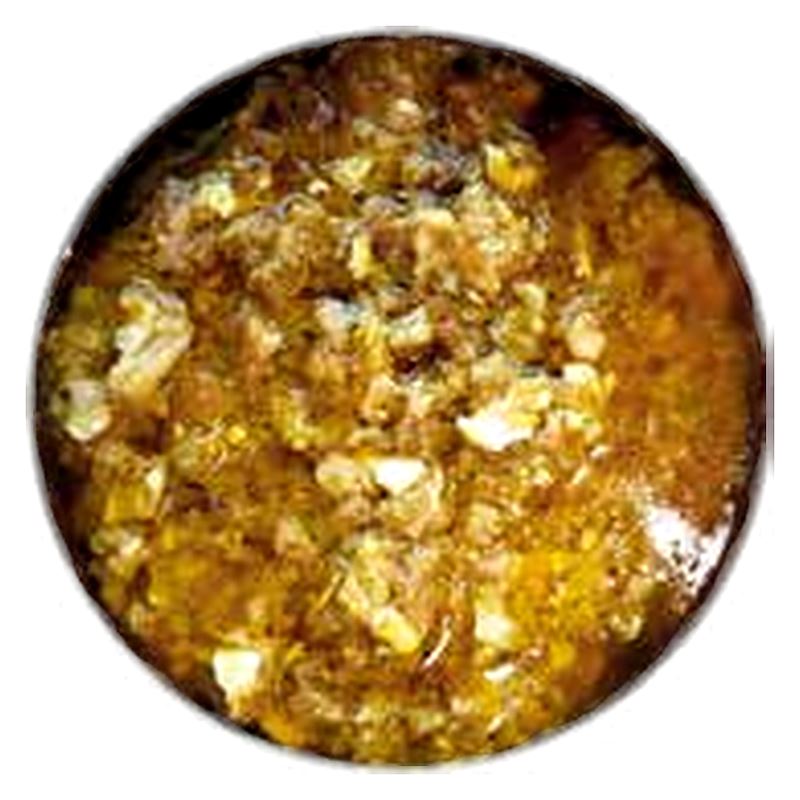
Kalle pache is neither a soup nor a stew, and the moment you accept that, the whole dish makes sense. It is a broth simmered for many hours from heads and trotters, then served together with the very parts that made it — sometimes sitting in the liquid, sometimes plated beside it — with bread doing the work a spoon would do elsewhere.
English gives you two boxes and kalle pache fits neither cleanly. That is not a failure of the dish. It is a sign that the dish comes from a tradition that never needed the distinction in the first place. Below is the honest answer, why both guesses are half-right, and what it means practically when you are staring at a menu at two in the morning deciding what to order.
So what is the honest answer?
Kalle pache is a long-simmered broth served with its solids. That is the whole definition, and it is worth reading twice because each half matters.
Long-simmered broth: the heads and trotters are cleaned and trimmed thoroughly, blanched, and that first water is thrown away entirely. Then the pot goes on properly and simmers for something like fourteen hours, skimmed again and again as it works. That skimming is not fussiness — it is precisely what produces a broth that tastes clean rather than heavy, which surprises almost everyone who expected something murky.
Served with its solids: this is where the soup label falls apart. A soup, in the English sense, is usually a finished liquid. Kalle pache is a liquid and the trotters, the cheek, the tongue, the brain, the eye — whichever you ordered. The broth is not a sauce for the meat and the meat is not a garnish for the broth. They are two halves of one dish, and you generally meet them in sequence.
Why do people call it a soup?
Because the first thing you see is a bowl of liquid, and because you can genuinely order it that way. On our menu the Soup is a single — the abgoosht broth on its own, no parts in it. Ordered like that, it behaves exactly like a soup: hot, savoury, light on the palate, drunk almost as much as it is eaten. If someone tells you kalle pache is a soup, they are describing a real and legitimate version of it.
Where the label gets thin is the full dish. Once there are trotters and a cheek on the table, calling the whole thing soup is like naming a roast dinner after its gravy.
Why do people call it a stew?
Because of the body. The broth has a real weight to it — it coats a spoon, it clings slightly to the lip, it sets when it cools. That is exactly what a good stew does, so the instinct is reasonable.
But the mechanism is different, and this is the most interesting technical point in the whole dish. A stew is thickened from outside: flour, a roux, cream, reduction, sometimes starch from potatoes. Kalle pache is thickened from inside. Collagen from bone, skin and trotters dissolves into the liquid over those long hours and stays there. Nothing is added to make it thick. The thickness is the ingredients, converted.
The easiest home proof: leave leftover broth in the fridge overnight and it will set to a wobble. Warm it and it flows again. No stew thickened with flour behaves like that. This is also why the texture reads as silky rather than pasty — worth reading our full texture guide if that is the part you are nervous about.
What would you call it, and what is it actually?
| What you'd call it | Why that's partly right | What it actually is |
|---|---|---|
| Soup | It arrives as a bowl of hot broth, and you can order the Soup on its own. | True only of the Soup single. The full dish brings solids you eat separately. |
| Stew | The broth has weight and body, and it sets in the fridge like a rich braise. | Body comes from dissolved collagen, not flour, roux, cream or reduction. |
| Bone broth | It is bones and connective tissue, simmered a very long time. | Right method, different ending — bone broth is a base. This is dinner. |
| Consommé | Clean-tasting, repeatedly skimmed, deliberately not muddy. | Skimmed for clarity of flavour, but never clarified into a thin, formal liquid. |
| Abgoosht | Same logic: one pot, broth and solids eaten in two stages, bread throughout. | The closest honest comparison there is. |
| A "meat platter" | The Full Dish and The Khan's Platter really do arrive as a spread. | The broth is still the centre. The platter is the broth plus everything it made. |
What does abgoosht have to do with it?
Abgoosht is the Persian dish that explains the whole grammar. The word itself splits into water and meat — the two things, named separately, in one name. It is served in a pot and eaten in two deliberate stages: first you tear bread into the broth and eat that, then you deal with the solids, often mashed, as a second course. One pot, one cooking, two eating experiences.
Kalle pache runs on the same logic. Our Soup single is literally the abgoosht broth. And the reason the two-stage habit exists is practical rather than ceremonial: broth and solids want different things from you. Broth wants to be drunk hot, early, while it is at its best. Trotters and cheek want patience and bread. Trying to do both at once makes both worse.
So when a first-timer asks "do I eat the meat in the soup or out of it?", the honest answer is: out of it, mostly, and in your own order. Nobody is checking. Our first-timer guide walks through the sequence if you want it laid out.
Where does the bread fit?
Bread is not a side here — it is equipment. Sangak is torn, not sliced, and it does three jobs: it soaks broth so you can eat liquid with your hands, it carries soft pieces like brain that a fork would only bully, and it resets your palate between richer bites. Every table gets bread for a reason, and The Khan's Platter includes five breads because six people eating this dish will get through them.
This is another quiet argument against the word "soup". Soups come with bread. Kalle pache comes through bread.
What should you actually order, then?
Now the practical part, which is really what the soup-or-stew question is asking underneath.
If you want the soup experience — light, hot, no unfamiliar textures, something you could have at 3am or when you are not very hungry — order the Soup on its own. It is the gentlest entry point on the menu and it is a complete thing, not a starter you failed to finish. Some people order only this for years. There is a whole piece on the soup-only approach if that sounds like you.
If you want the dish itself, order a Single Dish: broth plus one part you choose. Trotters are the classic first choice — mild, gelatinous, forgiving. Lamb Cheek and Meat are the most conventionally meaty and the least confronting if you are unsure. Brain is soft and delicate, Tongue is firm and clean-flavoured, Eye is for the curious, Tripe has real chew, and the Special Mix is exactly what it sounds like. Our guide to choosing a single goes part by part.
If you are feeding people, go up: Double Dish for two parts, The Full Dish for three, and The Khan's Platter for a table of six — four lamb cheeks, eight trotters, two brains, three tongues, four eyes and five breads. That is the version where "is it a soup" stops being a sensible question entirely.
Add Mixed Torshi or Garlic Torshi whichever way you go. The acidity is the counterweight to the richness, and it is the single most common thing first-timers forget.
Is it a breakfast or a dinner?
Traditionally it is a breakfast dish, eaten early — which is another category the English language argues with. In practice, in Dubai, people order it at every hour, and our kitchen is open 24 hours a day, every day, so the question answers itself. Order it at 6am, order it at 1am. Both are normal here.
On nutrition, digestion, sleep, energy or anything else that touches your body: this is not medical advice, and questions of that kind belong with your doctor or a qualified dietitian. We can tell you what is in the pot and how long it cooks. We cannot tell you what it will do for you, and we would be wrong to try.
Anything a vegetarian should know?
Yes, and plainly: kalle pache is a meat dish end to end, and the broth is the meat. There is no vegetarian version of it and no way to have it without the animal. The meat-free items on our menu are the Omelette, Sangak Bread, Special Sangak, Mixed Torshi, Garlic Torshi, the vegetable add-ons and the drinks. Beyond naming them we make no claims about how they are handled — if that matters to you, please phone 04 321 8882 and ask directly before ordering.
How do you order it?
Everything happens on the website — delivery, pickup, or dine-in with a table reserved. There is no account, no sign-up and no password: your name and phone number, plus your Dubai area from the list and a pin on the map if you want it delivered. Payment is by secure online card at checkout. Delivery is free over AED 300. You can also schedule an order for a future time, up to about two days ahead — useful if you want it waiting for you after a flight or before a long morning.
Once you have paid, the kitchen confirms and sets an estimated time, your order gets its own page to follow, and the rider phones on arrival. If the kitchen ever has to reject an order, it is refunded automatically to the card that paid, with the reason shown on that page. The kitchen is at 64 Jumeira Street, Jumeirah 1, and for anything else, 04 321 8882 reaches us — we are awake.
The short version
Call it a soup and you are describing the Soup. Call it a stew and you are describing the texture but misattributing where it comes from. Call it a long-simmered broth served with its solids and you have it exactly — a dish that spent fourteen hours turning bone and skin into liquid, and then had the confidence to serve both halves and let you decide the order. Start with the basics if this is all new, and then come and eat some.
