Two dishes, one stubborn idea
If you have ever explained to a nervous friend at a January table that haggis is only sheep offal and oatmeal and that it is very good, you know the argument I have had about kalle pache for years. Two countries far apart reached the same conclusion: the parts of a sheep a careless kitchen throws out are the parts worth building a tradition on. Scotland chopped them and bound them with oats. Iran put them in water and left them until morning.
I cook kalle pache in Jumeirah, and the reader best placed to understand it is not an adventurous eater but someone who has already defended haggis in public.
What each one actually is
Haggis is sheep offal — heart, liver, lungs — chopped fine with oatmeal, onion and plenty of black pepper, then cooked long and gently until deeply savoury and crumbly. It arrives hot beside mashed potato and swede, and eats like a full dinner: something you cut, fork and chew.
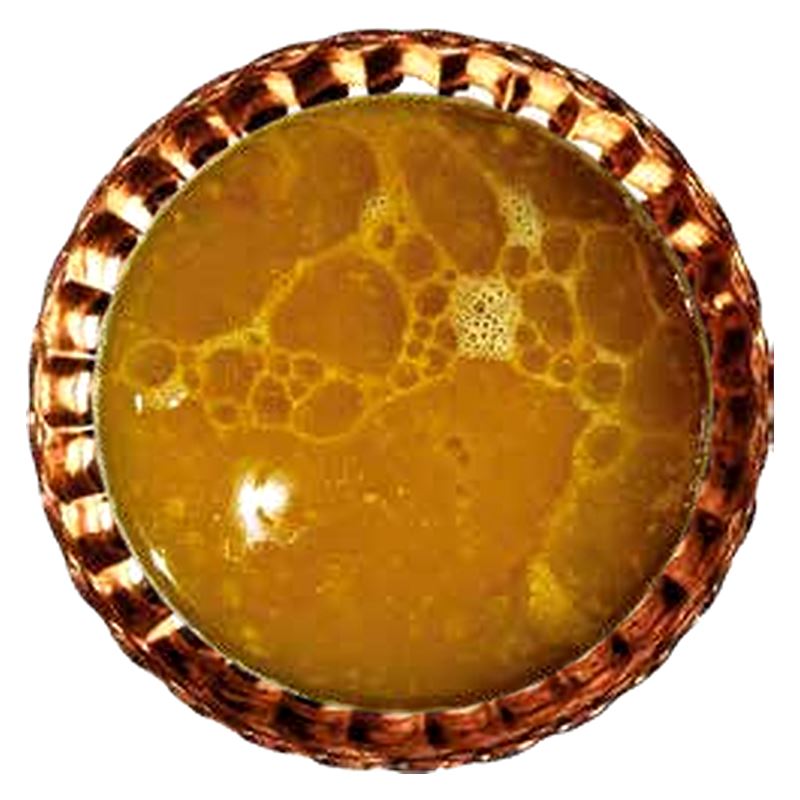
Kalle pache is the head and trotters of a lamb, cleaned with real patience and simmered around fourteen hours with onion, a little cinnamon and turmeric, until the meat leaves the bone on its own and the liquid turns cloudy and faintly sticky on the lip. What reaches the table is not a slice of anything: a wide bowl of broth and pieces, with a sheet of sangak beside it. The method is in how kalle pache is made, but the fourteen hours are the secret.
Liquid against solid, dawn against dinner
Texture is the first difference and it decides the rest. Haggis is dry and crumbly and holds its shape on a plate. Kalle pache is liquid at the centre: you tear bread rather than cut meat, you dip, you spoon broth over the pieces, and much of the meal is drunk rather than eaten.
The second is the clock. Haggis is an evening dish, the anchor of a winter supper. Kalle pache is a dawn food, traditionally eaten in Iran before sunrise. In Dubai we cook around the clock, so the pre-dawn bowl survives intact.
Two philosophies of seasoning
Haggis is seasoned from the inside: pepper, onion and oatmeal are in the mixture before it goes near heat, so by the time it reaches you the seasoning is settled — a dish that has made up its mind. Kalle pache is seasoned from the outside, at the last moment, by the person eating it. The pot is restrained — cinnamon, turmeric, little else — because fourteen hours punish anything loud. The sharpness arrives at the table: lime squeezed hard into the bowl, raw onion, green pepper bitten between mouthfuls, torshi to cut the richness. I have described what it tastes like in detail elsewhere.
Ceremony, and why both need one
Burns Night is the loudest defence an offal dish has ever mounted: the haggis carried in, a recital delivered over it, addressed before anyone may cut it. A country insisting that a poor household's dish deserves an occasion.
Kalle pache has ceremony too, quieter and older. The hour is the ceremony. Bread torn by hand, not cut. The lime halved in front of you. The quiet of an hour before the city wakes, and a bowl too hot to hurry. In Iran the Friday-morning version is longer and louder, a family meal.
If you defend haggis, you can defend this
The honest overlap is thrift turned into an occasion: both come from households that could not waste a sheep, and both outlived that necessity because people loved them for their own sake. Both carry an outsider reputation the food does not earn — eaten without knowing its name, haggis reads as peppery savoury mince, and kalle pache as deep, clean, gelatinous lamb broth.
Start where you would start a hesitant friend on haggis: the mild end. Brain soup and plain soup are gentle; tongue and lamb cheek are very good slow-cooked meat; trotters are for texture; mojoon, the special mix, is the whole argument in one bowl. A first-timer's order is worth reading first, and the singles and platters — Single Dish for one, Double Dish for two, The Full Dish for three, The Khan's Platter for six — are on the menu. We are open around the clock for dine-in and delivery across Dubai, pre-orders for a later time are supported, payment on the website is card prepay only, and delivery is free over AED 300. Phone 04 321 8882.
