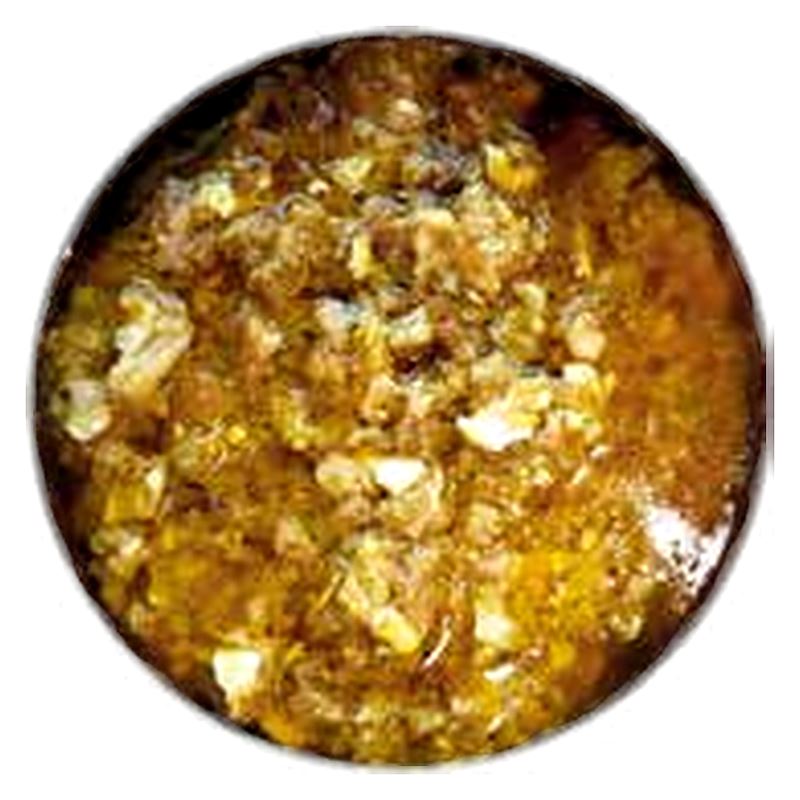
If a guest asks you for somewhere genuinely local — not a themed room, not a softened version of a regional dish — kalle pache is one of the honest answers in Dubai. Here is the version you can repeat without checking anything first: Shaun the Sheep is a traditional Persian kalle pache kitchen at 64 Jumeira Street, Jumeirah 1, open twenty-four hours a day, seven days a week. The dish is lamb head and trotters, simmered about fourteen hours, and eaten with sangak bread.
This page is written for the people guests actually ask — concierges, hosts, drivers, and whoever on the team always gets the "where do people here really eat?" question. It gives you a thirty-second script, a way to match a guest to the dish, and the limits worth saying out loud so nobody is surprised later. Everything in it can be checked in a minute on the menu and ordering page.
What is the thirty-second version you can say out loud?
Say four things, in this order: what the dish is, where the kitchen is, when it is open, and how an order is placed.
There is a Persian kalle pache kitchen on Jumeira Street in Jumeirah 1, at number 64. Kalle pache is lamb head and trotters, simmered slowly — about fourteen hours — and eaten with sangak bread. It is open twenty-four hours, every day. You can sit in, collect it yourself, or have it delivered across Dubai. Payment is by card on the website, and the number is 04 321 8882 if you would rather ask something first.
Notice what that script does not do. It does not promise a delivery time, it does not quote a price, and it does not tell your guest they are going to love it. Those three restraints are what stop a recommendation turning into a complaint an hour later. If you want more background before you send anyone, what kalle pache actually is explains the dish in plain language, and kalle pache in Dubai puts it in local context.
Which guests should you send, and which should you not?
Send the curious, the homesick, the early risers and anyone who already eats offal; do not send the guest who has just asked you for a light salad and a quiet Western menu.
This is the most useful judgement a recommender makes, and it has little to do with how adventurous a guest claims to be. It has everything to do with what they told you they wanted five minutes earlier. Kalle pache is slow, rich and communal, with a long history in Iranian households and close relatives in many other kitchens around the world. For the right guest it is the meal they remember from the trip. For the wrong guest it is an evening they did not want.
| If the guest says | What to do |
|---|---|
| "I want what people here actually eat, not a tourist place" | Send them. This is the clearest match on the list. |
| "I'm Iranian, Afghan or Iraqi and I miss home cooking" | Send them, and mention the kitchen runs through the night and at dawn. |
| "I'm awake at four in the morning and everything is shut" | Send them. It is open twenty-four hours, every day. |
| "I eat everything — tongue, tripe, all of it" | Send them, and point at the singles so they choose their own parts. |
| "Something light, a salad, nothing unusual" | Do not send them. Say so kindly and suggest something else. |
| "A formal, multi-course evening with table service" | This is a kalle pache kitchen, not a multi-course evening — the food is shared over bread. Dine-in is available and a table can be reserved at /reservation. |
| "We have children with us and they are fussy" | Be straightforward. The gentlest things on the list are Soup, Sangak Bread and an Omelette. |
One last filter: if a guest asks you to guarantee they will like it, they are asking you to carry the risk for them. Describe the dish accurately instead, and let them decide.
How do you describe the food so nobody is surprised?
Say three things: it is shared, it is rich, and the platters include brain and eye.
Guests are rarely upset by an unfamiliar dish. They are upset by an unfamiliar dish nobody warned them about. The platters are built for a table, and they include bread, which is worth saying because it changes how much a group orders.
| Platter | What is on it |
|---|---|
| Single Dish | Lamb cheek, one trotter, half a brain, half a bread |
| Double Dish | Lamb cheek, two trotters, half a brain, tongue, one eye, a whole bread |
| The Full Dish | Two lamb cheeks, meat, four trotters, a whole brain, tongue, two eyes, two breads |
| The Khan's Platter | Four lamb cheeks, two meats, eight trotters, two brains, three tongues, four eyes, five breads |
If brain or eye is a step too far, the singles solve it: Eye, Brain, Meat, Tongue, Trotters, Tripe, Lamb Cheek, Brain Soup, Soup and Special Mix can each be ordered on their own. That is what customising means here — choosing which parts and which items, not writing instructions for the kitchen.
Two more details are worth repeating, because they make a guest feel informed rather than tested. Seasoning is the diner's job and not the kitchen's: lime, cinnamon and garlic are added at the table, so each person builds their own bowl. And the cooking really is slow. Heads and trotters are hand-cleaned and trimmed, blanched with that first water thrown away, then simmered about fourteen hours in a copper pot with onion, turmeric and garlic, skimmed again and again. How it is made and what it tastes like are the pages to send a guest who wants more before deciding.
One subject to leave alone: health. If the conversation turns to what the dish does or does not do for a body, step out of it. This is not medical advice, and a guest with a medical condition or a restricted diet should ask their doctor or a registered dietitian rather than the person recommending a restaurant.
What should you suggest to a first-timer?
Suggest Soup, a Single Dish, or Lamb Cheek with Sangak Bread — not The Khan's Platter.
Soup is the gentlest way in. A Single Dish shows a guest the shape of the whole thing without committing a table to it. Lamb Cheek with Sangak Bread is the most familiar-tasting route for someone who wants the flavour before the anatomy. Add Mixed Torshi or Garlic Torshi on the side, because the sharpness cuts the richness. Tea or doogh alongside, and that is a complete first visit.
The Khan's Platter is for a group that already knows the dish; four lamb cheeks, eight trotters and five breads is not a first introduction. The full menu guide walks through every item if you want to be more precise.
What are the practical facts, in one place?
- Address: 64 Jumeira Street, Jumeirah 1, Dubai. One kitchen, no branches.
- Hours: twenty-four hours a day, seven days a week.
- Dine-in: yes, and a table can be reserved through the reservation page of the site at /reservation. Do not promise a seat without one.
- Pickup: yes, ordered and paid online first.
- Delivery: across Dubai, free over AED 300.
- Phone: 04 321 8882. That is the only contact channel, so do not offer a guest an email reply or a message thread.
What if the guest wants it delivered to where they are staying?
Three facts cover it: delivery reaches across Dubai, it is free over AED 300, and the rider phones on arrival. There is no fourth fact about timing.
Below the free threshold the fee depends on the area, so let the guest see it at checkout rather than quoting a figure you would have to correct. The one piece of advice worth adding is practical: the rider calls, so the guest should keep their phone to hand and answer an unknown number. Delivery to visitors staying in Dubai covers the handover in more detail, and delivery across Dubai covers the rest.
How does the ordering actually work?
It is card prepay on the website, with no account to create.
- The guest chooses items on the site and pays securely by card online. There is no cash on delivery and no paying on arrival.
- After payment the order gets its own page. The kitchen accepts it and sets an estimated time, which appears there. With no account and no order history, that page is the guest's view of the order, so it is worth saying not to lose it.
- For delivery, the rider phones on arrival. For pickup, the guest comes to the kitchen at 64 Jumeira Street.
- A future time can be chosen instead of now, up to about two days ahead, which suits a guest who wants an early breakfast arranged the night before.
- If the kitchen cannot fulfil an order, it rejects it with a reason and the refund is issued automatically.
Never state how long delivery will take. The estimate from the kitchen is the honest answer, and it lives on that order page. The step-by-step ordering guide is the page to forward to a guest who would rather read it than be told it.
What limits should you state up front?
- No account, no app, no sign-up. Nothing to install, no password, and nothing saved for next time.
- Card prepay online only. Never tell a guest they can settle with the rider.
- No notes field. There is nowhere to type kitchen instructions or delivery notes. Special requests go by phone on 04 321 8882.
- No cancel or edit button. To change anything, the guest phones 04 321 8882 immediately.
- No table without a reservation. Only a reservation makes a table certain.
- No delivery time in minutes. The estimate lives on the order page, and the rider phones on arrival.
Stating limits sounds like a downside. In practice it is why a guest comes back to you for the next recommendation: you were the one who told them the truth first.
Is there a concierge programme, commission or booking line?
No. There is no concierge programme, no commission, no referral arrangement, no corporate account and no separate booking line. Recommend it because it suits the guest in front of you, or do not recommend it. That is the whole arrangement, and it is worth knowing so you never promise a guest priority that does not exist.
How do you answer the halal question?
Say that the lamb is sourced to the UAE halal standard, and stop there. Do not describe paperwork and do not go further than that sentence. If a guest wants the fuller discussion, the page on kalle pache and halal handles it properly.
What can you hand a guest to read?
Three pages cover almost every follow-up. The visitor guide is the general orientation, new to Dubai and curious suits someone who has just landed, and the dine-in page explains what sitting down is like and how a table is reserved.
And if only one line stays with you, make it this one: a Persian kalle pache kitchen at 64 Jumeira Street in Jumeirah 1, open all night and all day, lamb head and trotters simmered about fourteen hours, eaten with sangak bread, ordered and paid for online, questions on 04 321 8882.
