Is kalle pache bad for your cholesterol?
It is one of the questions we hear most often at the counter — half joking, half serious — and kalle pache and cholesterol deserve a straight answer rather than a scare story or a sales pitch. The honest position is this: kalle pache is not a single food. It is a table of several different things sharing one broth, and nutritionally they are nowhere near alike. Plain broth, trotters and tongue sit at one end of the range; the fattier cuts and, above all, brain sit at the other. What actually lands on your plate — and how often it lands there — matters far more than the name of the dish. Everything below is culinary guidance from a kitchen that has cooked kalle pache in the Tehran style for years. It is not medical advice, and if you have a diagnosed cholesterol or heart condition, your doctor or a registered dietitian is the person to ask about your own case.
What is actually in that bowl?
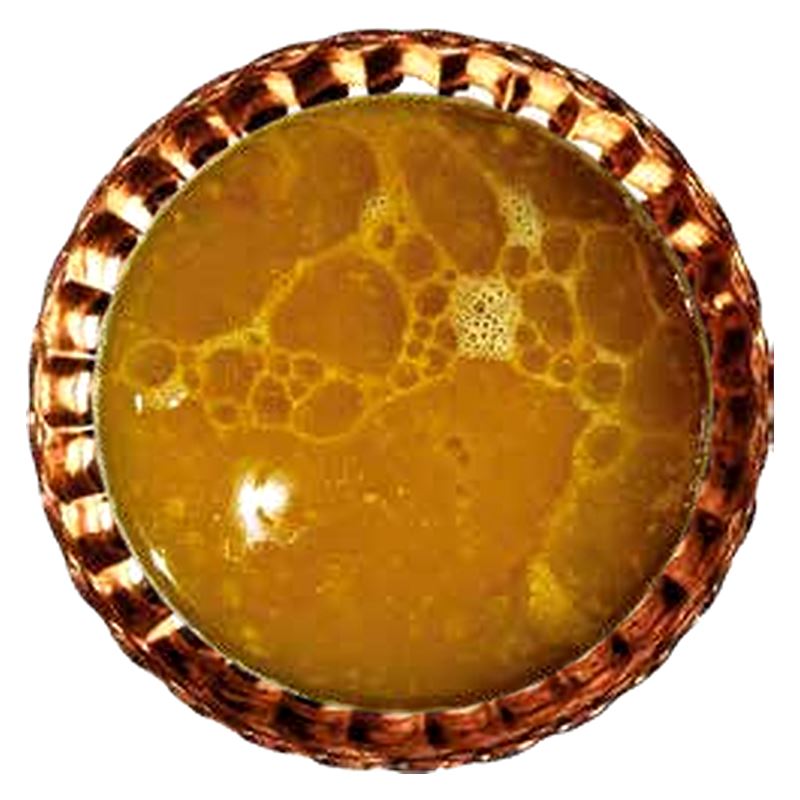
At Shaun the Sheep on Jumeira Street the heads and trotters are hand-cleaned before dawn, then simmered for around fourteen hours in a copper pot with onion, turmeric and garlic, and skimmed every hour until the broth is the colour of strong tea. Three things move into the liquid over those hours: protein, gelatin and fat. The gelatin comes from collagen in skin, tendon and trotters, and it is what gives a proper broth its body and that faint stickiness on the lips. It is worth stating plainly, because it confuses people: gelatin is not fat and it carries no cholesterol. The fat is a separate thing entirely. It floats, it is visible, and it is the part you can genuinely control — in the pot, and at the table.
Which parts of kalle pache are leaner, and which are richer?
The single most useful thing to know before you order is that the components are wildly different from one another. The guide below is honest and general; it is not a laboratory measurement, because the exact figures shift with the animal, the cut and the cooking.
| Part | What it is | General fat and cholesterol picture |
|---|---|---|
| Plain soup (broth alone) | The skimmed fourteen-hour broth: protein, gelatin, minerals | The leanest thing on the table |
| Trotters (paye) | Skin, tendon and cartilage — almost pure collagen | Very little muscle fat; rich in gelatin, not in fat |
| Tongue (zaban) | Firm, dense, sliceable muscle meat | Moderate — one of the leaner solid cuts |
| Tripe (sirabi) | Lean stomach lining, mild and chewy | Relatively lean |
| Meat and lamb cheek (bonagoosh) | Slow-cooked meat with fat threaded through it | Richer — the fat is part of the texture |
| Brain (maghz) | Soft and custardy, served plain or as brain soup | Highest in fat and, by a wide margin, in cholesterol |
Brain deserves a sentence of its own, because there is no point being coy about it. Lamb brain is one of the most cholesterol-dense foods you will find on any menu, anywhere in the world. That is a plain fact of its composition, not a verdict on your health. It is also silky, delicate and, for a great many Iranians, the entire point of the dish. Both things are true at the same time. If cholesterol is on your mind, brain is the one item to treat as an occasional taste rather than a habit — or to leave to the person across the table who has been eyeing it since it arrived.
Does skimming the fat really make a difference?
Yes, and visibly so. Skimming is not a modern health gimmick; it is simply how Tehran cooks have always produced a clean, clear broth instead of a greasy one. Fat that is lifted off the pot every hour is fat that never reaches your bowl, and it is one of the reasons a well-made broth tastes deep rather than heavy. You can carry the same principle home. If you order for later, refrigerate the broth overnight and a pale cap of fat will set on the surface; lift it off in one piece with a spoon and the trembling jelly underneath is the collagen you actually wanted. Reheat it gently and you have a noticeably leaner bowl than the one you carried through the door. Ordering the plain soup rather than a full platter is the same idea, made simple at the point of ordering.
How much, and how often, should you eat it?
Frequency does more work here than any single bowl ever will. Kalle pache was never a daily food in Iran — it belonged to Friday mornings, winter dawns, and the shared table after a long night. Dubai has changed the timing more than the tradition: we are open twenty-four hours a day, seven days a week, which makes it available at four in the morning, not compulsory every morning. A few habits keep the balance sensible.
- Order a single serving rather than a large platter to yourself. The communal platters for one, two, three or six exist to be shared.
- Go easy on the sangak. Bread soaked in fatty broth is exactly where a light meal quietly turns into a heavy one.
- Let the sides work for you: mixed torshi and seven-year garlic pickle cut through richness, and doogh slows the whole meal down.
- Eat it hot and unhurried. A modest bowl of protein- and gelatin-rich broth is genuinely filling, so you tend to want less.
- If you are watching your numbers, treat kalle pache as an occasion rather than a routine — and skip the brain on most of those occasions.
Who should be extra careful with kalle pache?
Some people have good reason to be more cautious, and that is better said openly than left vague. If you have been diagnosed with high LDL cholesterol or existing heart disease, if you take medication or follow a plan aimed at your blood lipids, if you have gout or have been told to limit organ meats — offal is naturally high in purines — or if you have kidney disease, then the specifics of your own case matter far more than any general article. Talk to your doctor or a registered dietitian. They may well tell you that brain is off your list while plain broth and a little tongue are perfectly reasonable. They may say something different. We are cooks, not clinicians, and we will not pretend otherwise: nothing on our menu treats, prevents or cures any condition, and we would rather you enjoyed this dish with clear information than with a promise we have no business making.
What should you order if you want the lighter version?
Start with the plain soup, which is the broth itself, and add tongue or trotters if you want something to chew. Ask for the bread to be shared rather than piled, keep the torshi close, and finish with tea rather than a second helping. If you are dining with people who want the full spread, order a communal platter for the table and build your own share from the leaner end of it — that way nobody has to negotiate. You can see the full range of singles, platters, sides and drinks on the menu and order page, and if portion size is what you are really wondering about, the simplest control of all is to order one serving for yourself and let the platters be shared.
So can you enjoy kalle pache and still look after your heart?
For most healthy people, eating this dish thoughtfully — leaner parts more often, brain rarely, a sensible portion, and not every week — is a considered choice rather than a reckless one. That is a culinary judgement, not a clinical one, and your own doctor may set different limits for you. What we can promise is transparency about what we cook: halal lamb in line with UAE law and standards, cleaned by hand before dawn, simmered fourteen hours in a copper pot and skimmed hourly, with nothing hidden in the pot. Shaun the Sheep is at 64 Jumeira Street, Jumeirah 1, open twenty-four hours a day, seven days a week, with delivery across Dubai, pickup and dine-in. Order the bowl that suits you, or reserve a table and take your time over it.
