Why Is Kalle Pache Eaten at Dawn?
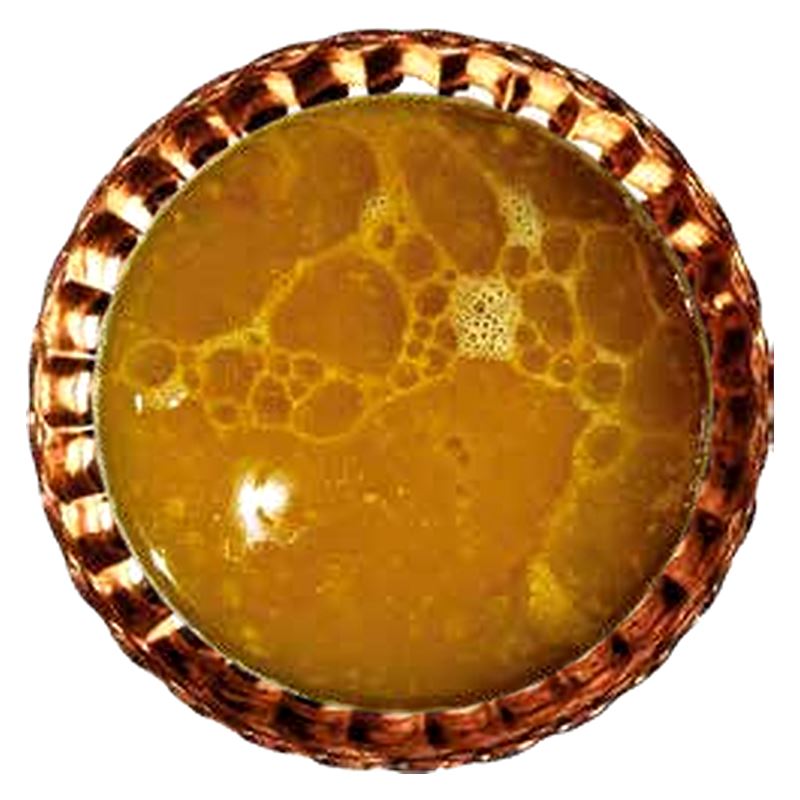
Long before the city stirs, a copper pot is already at work. Kalle pache — slow-simmered lamb head and trotters — is one of the few dishes whose whole character is bound to a single hour of the day: the pale gold of dawn. Ask why kalle pache is a breakfast at all, and the answer is written in the cooking. The broth needs roughly fourteen hours of gentle simmering with onion, turmeric and garlic, skimmed by hand until it turns the colour of strong tea. Start that pot in the early evening and it reaches its silky peak precisely as the sky lightens. Dawn is not a marketing choice. It is arithmetic.
Dawn food in Iran: a meal for those who rise first
The dawn tradition took root among the people who were already awake at that hour. Bakers, porters, market traders, cab drivers, night-shift workers and travellers setting off at first light all wanted something warm, deeply savoury and steadying before a long day of hard work in the cold. A bowl of rich, gelatinous broth with bread was exactly that: a fortifying, unhurried start that carried you through to the afternoon. In a pre-refrigeration world there was also a practical logic — the head and trotters were cooked fresh overnight and served the same morning, at their best, with nothing wasted.
The kalle-pache-i: a social ritual, not just a meal
Just as important was where it happened. The kalle-pache-i — the specialist dawn eatery — was a fixture of Iranian town life. Steam on the windows, the clatter of ladles, regulars greeting one another by name, and strangers sharing a bench in the quiet dark before the working day. People finished the bowl at the table in their own way: a squeeze of lime, extra garlic, a pinch of cinnamon and salt, a side of sangak bread, torshi and doogh. Eating kalle pache at dawn was a small, warm act of belonging — a shared table before the world got loud.
The dawn ritual: then and now
| Element | The old dawn ritual | Dubai today |
|---|---|---|
| When | Pre-dawn until mid-morning | Any hour — open 24/7 |
| Who | Labourers, traders, travellers | Early risers, night-shift crews, families, the curious |
| The pot | Simmered overnight, ready by sunrise | Same ~14-hour simmer, always a fresh batch on |
| The table | Bench at the neighbourhood kalle-pache-i | Dine-in, pickup, or Dubai-wide delivery to your door |
| Finishing touch | Lime, garlic, cinnamon, salt | Unchanged — exactly the same at your table |
How the dawn tradition lives on in 24/7 Dubai
A modern city runs on a different clock, and Dubai runs on all of them at once. That is why the dawn ritual survives here not by fixing an hour, but by freeing it. At Shaun the Sheep, a Tehran-style kalle-pache house at 64 Jumeira Street, Jumeirah 1, the pot never really stops — the same fourteen-hour, hand-skimmed broth is ready whether you arrive at 5am after a shift, at sunrise out of habit, or at noon because that is simply when hunger struck. The lamb is halal, the flavour is mild and savoury rather than chili-hot, and the ritual at the table is exactly as it was: lime, garlic, cinnamon, salt, warm sangak on the side.
You can still choose the old dawn spirit if you like — there is a quiet magic to a bowl of broth as the call to prayer drifts over the city. But you can also honour the tradition on your own terms. Start light with plain broth or paye (trotters), or share a Special Mix sampler across a communal platter for one, two, three or six. Explore the full range on our menu and order page, plan a visit around the best time to eat kalle pache, or reserve a table for a dawn gathering of your own.
Kalle pache is traditionally prized as a rich, hearty dish, though its exact makeup depends on the cut and portion, and none of this is medical advice. What has never changed is the feeling: a warm, generous bowl at the start of the day, and the quiet company of people who know that the best hour to eat is simply the one when the broth is ready.
