What does a Dubai morning smell like before sunrise?
Before the traffic starts, Dubai smells of two different mornings at once. In one, cardamom and saffron lift off a hot griddle, sugar melts into fine noodles and a kettle goes on for karak — that is the Emirati breakfast table. In the other, steam rolls off a copper pot that has been working since long before dawn, carrying onion, turmeric and garlic out into the street — that is Persian kalle pache. The two grew up on opposite shores of the same Gulf, and in Jumeirah they are a short drive apart.
What follows is a comparison written with real affection for both tables, not a contest. Neither one is trying to win; they are answers to two different sunrises.
What is actually on an Emirati breakfast table?
The first thing a newcomer notices is that sweet and savoury are not kept apart. Balaleet is the emblem of that idea: fine vermicelli, sweetened and perfumed with saffron, cardamom and rose water, then crowned with a thin, plain omelette. Sugar and egg on the same fork, and somehow it works perfectly.
Around it sits a whole griddle culture. Chebab are saffron-and-cardamom pancakes, lacy at the edges, eaten with date syrup or with soft cheese. Khameer is a yeasted, lightly sweet bread, often split and filled with cream, honey or dates. Regag is the paper-thin crepe cooked in seconds on an iron plate and folded around cheese, egg, or a stripe of mehyawa — the tangy fermented fish sauce that delivers a salty, savoury jolt. And dango, also called nakhi, is a cup of hot chickpeas with cumin and salt, the most portable breakfast on this coast. Dates, gahwa and strong tea hold the whole table together.
The logic here is quick heat and contrast. Most of it meets a hot surface for minutes rather than hours, and the pleasure comes from jumping between sweet, salty, creamy and spiced within a few bites.
What is kalle pache, and why is it eaten at dawn?
Kalle pache runs on the opposite logic: one flavour, held for a very long time. Lamb head and trotters are cleaned by hand before dawn and simmered for about fourteen hours in a copper pot with onion, turmeric and garlic, skimmed hourly until the broth is the colour of strong tea. The lamb is halal, as UAE law and standards require. The taste is mild, savoury and warming — never chilli-hot.
It became a dawn food for practical reasons. It cooks overnight, it uses the whole animal with respect, and it fuels a long working day in a cold city. In Tehran it is eaten early and taken seriously, and the same ritual travelled to Dubai with the families who grew up on it.
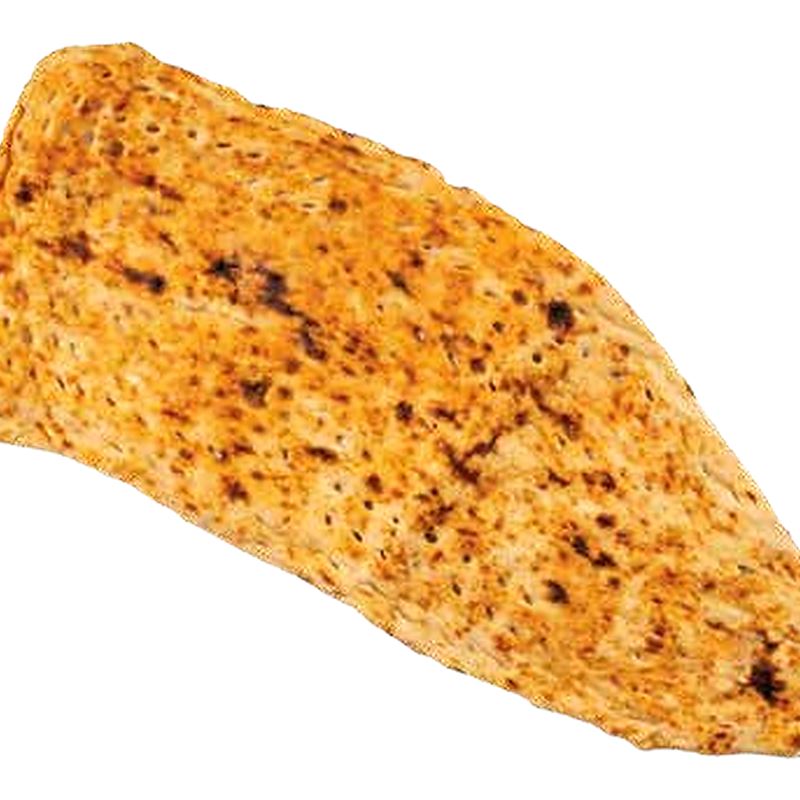
At the table you finish the bowl yourself: a squeeze of lime, a pinch of cinnamon, a clove of seven-year garlic pickle, then torn sangak bread to carry the broth. You do not assemble kalle pache bite by bite the way you assemble an Emirati plate — you adjust it, then settle into it.
How do Emirati breakfast and kalle pache compare side by side?
| Feature | Emirati breakfast table | Kalle pache |
|---|---|---|
| Opening flavour | Sweet first, savoury alongside | Savoury from first spoon to last |
| Cooking time | Minutes on a griddle | About 14 hours in a copper pot |
| Signature dish | Balaleet: saffron noodles under an omelette | Slow broth with brain, tongue, trotters, cheek |
| Texture story | Crisp edges, silky noodles, soft bread | Gelatinous, tender, spoonable |
| Bread | Regag, khameer, chebab | Sangak and special sangak |
| Drink | Karak tea, gahwa | Black tea, doogh, lemonade |
| Heat level | Not chilli-hot; warm spices | Not chilli-hot; turmeric and garlic warmth |
| Table shape | Many small plates to graze | Communal platters for 1, 2, 3 or 6 |
| Best hour | Sunrise, and again at Ramadan suhoor | Dawn, cold mornings, and 4am in Dubai |
Why does one culture start sweet and the other savoury?
Geography wrote both menus. On this coast, mornings turned hot early, work meant fishing, pearling and long sun, and dates were the sugar that travelled without spoiling. Fast, sweet, portable energy makes complete sense. On the Iranian plateau, dawns are cold for much of the year, and a household that has slaughtered an animal must honour every part of it. A pot that simmers all night and gives back heat, protein and gelatin makes equally complete sense.
The two also meet in Ramadan. A sweet, gentle plate before fajr and a bowl of warm broth are both classic suhoor answers to the same question: what will carry me until sunset?
Where do these two tables already meet in Dubai?
More than most people realise. Mehyawa is the clearest handshake — that fermented fish sauce is loved on both sides of the Gulf, carried by Bandari families from the southern Iranian coast, and it tastes like home in Sharjah and in Bandar Abbas alike. Both cultures pour tea rather than coffee-shop lattes. Both treat bread as a utensil, whether it is a fold of regag or a torn corner of sangak. Both consider a breakfast eaten alone to be a slightly sad thing. And both are welcome at any hour in a city that never really shuts.
What should an Emirati diner order on a first kalle pache visit?
Build up in three steps
Start with plain soup and fresh sangak. It is broth, bread and warmth — nothing to negotiate. Next, add lamb cheek (bonagoosh): slow-cooked, sweet-edged meat that will feel like a cousin of the lamb in harees or machboos. Then try trotters (paye) for that famous silky texture. Brain (maghz) is worth saving for a second visit, or splitting with the table so it is a shared discovery rather than a dare. The Special Mix exists exactly for people who want a little of everything.
Season it your way, and drink laban's cousin
Lime first, then cinnamon, then salt — small additions, tasting as you go. Mixed torshi and seven-year garlic pickle cut the richness the way a good pickle should. And order doogh: a salted yogurt drink is not foreign territory to anyone raised on laban, and nothing balances a rich bowl better. If you prefer, black tea works beautifully too. Platters come sized for one, two, three or six, so a family can eat from the middle of the table the way both cultures prefer. You can see everything on the menu and order page, or reserve a table for a weekend morning.
What should a kalle pache regular order at an Emirati breakfast?
Balaleet, without hesitation — the sweet-savoury shock is the whole point, and you should meet it head on. Then regag with mehyawa, which will taste startlingly familiar to anyone with Bandari roots. Chebab with date syrup after that, khameer with cream if the table is generous, and a cup of dango on the way out. Finish with karak. We do not serve these dishes at Shaun the Sheep — we do one thing, the Tehran way — but any honest year of eating in Dubai should include both mornings.
Is either breakfast heavy, and who should be careful?
Both are rich in their own way: one with sugar and dairy, the other with fat, collagen and gelatin. These are festive, traditional foods rather than everyday diet plans, and nothing here is medical advice. If you are managing cholesterol, uric acid, blood sugar or anything else, please speak to your doctor about portion and frequency. If you have a food allergy or intolerance, contact the restaurant directly before ordering so we can answer you about specific dishes rather than in general terms.
Where can I eat Tehran-style kalle pache in Jumeirah?
Shaun the Sheep is at 64 Jumeira Street, Jumeirah 1, Dubai, open 24 hours, 7 days a week. We deliver across Dubai with the delivery fee set by your area at checkout, and we also offer pickup and dine-in. Come at sunrise after a week of balaleet, or at four in the morning when only broth will do — the copper pot has been going since before you woke up.
This article is about food and culinary tradition, not medical advice.
