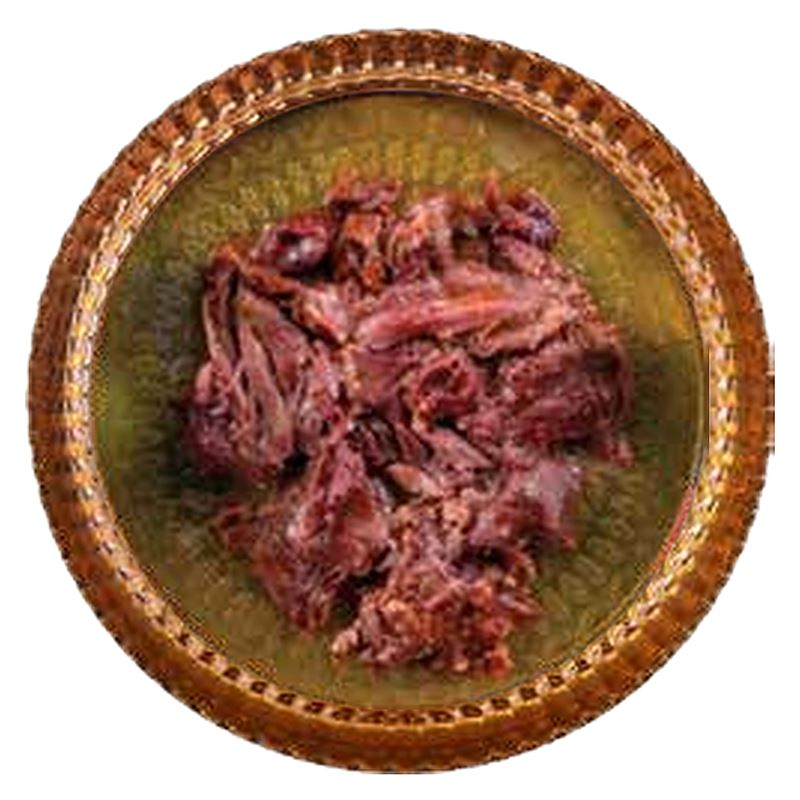
Is kalle pache always made with lamb?
Not everywhere — but at Shaun the Sheep it always is. Kalle pache belongs to a wider "head and hoof" family of slow-cooked dishes that stretches from Tehran across the Caucasus, Iraq and the Gulf, and different regions reach for different animals. The classic Tehran-style bowl, though, is built on lamb — the head (kalle) and the trotters (pache) — and that is exactly what we simmer in our copper pot on Jumeira Street. If you have ever wondered whether your bowl "should" be lamb, beef or goat, the honest answer is that all three exist in the tradition, but each tastes noticeably different, and lamb is the one Tehran prizes for this dish.
What is the "head and hoof" tradition?
Across the region, cooks have long turned the humblest cuts — heads, cheeks, tongues and feet — into deeply flavoured broths through very long, gentle simmering. In Iran this is kalle pache; in the Gulf and Iraq a close cousin is known as baja / الباجة; and a related cow-based broth called khash is beloved across the Caucasus and beyond. Same idea, different animals and seasonings. Because the raw ingredients are so rich in collagen, the choice of animal changes the flavour, the body of the broth and even the aroma more than you might expect. Here, collagen is a purely culinary term — it melts into gelatin and gives the broth its body; and while a warming morning bowl has a long, affectionate place in Iranian tradition, that is custom rather than a proven health benefit. Nothing in this article is medical advice, so please ask your own doctor about your diet.
How do lamb, beef and goat differ in a head-and-hoof broth?
The three animals pull the dish in three directions. Lamb gives a mild, faintly sweet, almost buttery broth with a silky but not overwhelming body. Beef — or cow, the usual base for khash — is bigger in every sense: a deeper, meatier flavour, more fat, more gelatin from larger bones, and a heavier, more assertive aroma that needs a longer cook to soften. Goat sits somewhere else again: leaner and firmer than lamb, with a distinctive, more pronounced character that fans love and newcomers notice immediately.
| Animal | Flavour | Richness and fat | Gelatin and body | Aroma | Where it leads |
|---|---|---|---|---|---|
| Lamb | Mild, faintly sweet, delicate | Moderate, gentle fat | Silky, balanced | Warm and clean when well cleaned | Classic Tehran-style kalle pache |
| Beef / cow | Deep, meaty, robust | High, more fat | Very gelatinous, can set to jelly | Big and beefy | Khash and heavier broths |
| Goat | Lean, assertive, a little gamey | Low, less to skim | Firm, lighter body | Distinctive, farmyard depth | Regional head-and-hoof variants |
Which animal makes the richest broth?
If "rich" means sheer collagen and body, beef often wins simply because the bones and trotters are larger, releasing more gelatin over a long simmer — that is why a properly made khash sets almost to a jelly when it cools. But rich is not the same as balanced. Lamb delivers plenty of gelatin while keeping the flavour delicate and the fat gentle, which is why so many people find a lamb bowl easier to eat first thing in the morning. Goat gives the leanest, cleanest-tasting broth of the three, with less fat to skim off.
What about the smell?
Aroma is where the animals differ most, and it is mostly about fat and preparation. Lamb, when the head and trotters are hand-cleaned thoroughly before cooking, gives a warm, clean, savoury smell rather than a strong one. Beef broth is bigger and beefier on the nose. Goat is the most distinctive — some people adore that farmyard depth, others find it too much. In every case the single biggest factor is cleaning and skimming: we clean everything by hand before dawn and skim the pot every hour, which is what keeps a lamb broth smelling inviting rather than heavy.
Why is lamb the prized choice for kalle pache?
Tehran settled on lamb for good reasons. Lamb heads and trotters are the right size to cook to silky tenderness in roughly fourteen hours; the fat is milder and sweeter than beef fat; and the balance of gelatin to meat gives a broth with body that still tastes light and clean. The prized single cuts of the dish — the brain (maghz), the tongue (zaban), the cheek (bonagoosh) and the trotters (paye) — are at their most tender and delicate from lamb. It is also the flavour most Iranian regulars grew up with, so a Tehran-style bowl simply tastes "right" made with lamb.
So what does Shaun the Sheep serve?
We serve lamb, and only lamb — head and trotters, hand-cleaned before dawn and simmered for around fourteen hours in a copper pot with onion, turmeric and garlic, skimmed hourly until the broth is the colour of strong tea. The lamb is halal, in line with UAE law and standards. You can build a bowl from the single cuts — brain, tongue, cheek, trotters, meat or tripe — or start with a communal platter for one, two, three or six on the menu and order page. Tear in fresh sangak, add a little seven-year garlic pickle, and sip doogh alongside.
Can I order lamb kalle pache across Dubai?
Yes. We are one kitchen at 64 Jumeira Street in Jumeirah 1, not a chain, and we deliver to all 141 areas of Dubai. You choose your area at checkout and see the delivery fee before you pay, and delivery is free over AED 300. Payment is secure and online. Pickup and dine-in are available too, and you can schedule an order for a future time — handy if you want a fresh bowl waiting at dawn. Prefer to eat in? You can reserve a table, or simply order for delivery and let the pot come to you.
