How does kalle pache change from one part of Iran to another?
Kalle pache looks like a single dish — slow-cooked lamb head and trotters in a golden broth — but travel across Iran and you will find it cooked, seasoned and served in noticeably different ways. Some cooks chase a broth so clear you can almost read the bottom of the bowl; others build something thick, garlicky and closer to a stew. At Shaun the Sheep on Jumeira Street we cook one specific style, the Tehran way, and this guide explains what that means and how it sits alongside the other great traditions of the region.
What makes Tehran-style kalle pache different?
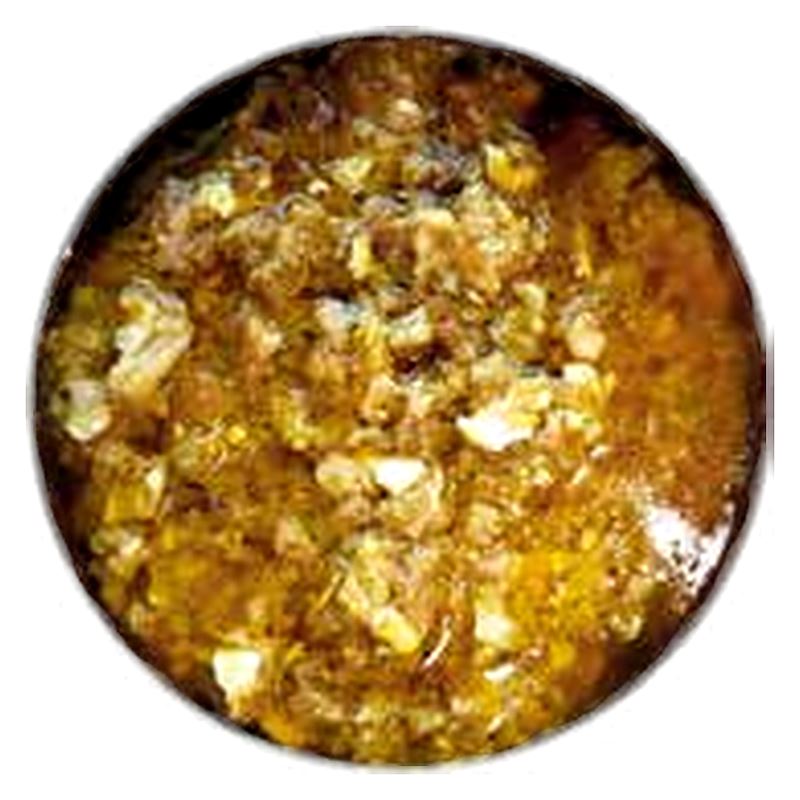
Tehran style is defined by patience and restraint. The head and trotters are hand-cleaned before dawn, then simmered for around fourteen hours in a copper pot with little more than onion, turmeric and garlic. The pot is skimmed every hour, and that hourly skimming is the whole point: it is how the broth stays clean and turns the colour of strong tea instead of going cloudy. The seasoning is deliberately minimal, because a Tehran cook wants you to taste the meat and the gelatin drawn from the bones, not a wall of spice. Salt, a squeeze of fresh lime and a pinch of cinnamon are added at the table by the person eating, not in the kitchen.
Which parts go into a Tehran bowl?
Tehran kalle pache is proudly nose-to-tail. A full bowl can carry brain (maghz), tongue (zaban), lamb cheek (bonagoosh) and the trotters (pache), with the clear broth poured over. If it is your first time, our Special Mix is the easiest way in, because it gathers several cuts on one platter; if you already know what you like, you can order tongue, cheek, trotters, brain soup or a plain soup on their own. You can see every option on the menu and order page.
How does Tabriz and Azerbaijani style compare?
Travel northwest to Tabriz and the Azerbaijani provinces and the dish becomes heartier and more assertively seasoned. This is a cold-winter part of Iran with a deep love of warming, robust food, and the local kalle pache reflects that: more garlic, a heavier hand with the broth, and tripe (sirabi) featuring more prominently for those who enjoy it. Where Tehran prizes a clean, almost delicate clarity, the Azerbaijani table tends to put richness and warmth first.
What is khash, and how is it different?
Khash is the deep-winter cousin of kalle pache, and it is shared far beyond Iran, across the Caucasus and into Armenia, Georgia and Azerbaijan. Khash leans heavily on the trotters, boiled down until the broth is intensely rich and gelatinous, and it is eaten in the coldest weeks of the year, almost always at dawn, as a communal ritual. Diners crush a generous amount of garlic into the bowl and tear dried flatbread into the broth until it thickens. If Tehran kalle pache is about a clear, balanced bowl, khash is about pure, warming richness in the heart of winter.
How do Gulf and Iraqi baja compare?
The same tradition runs south and west under different names. In Iraq and much of the Gulf the dish is baja (الباجة) or pacha, and it often moves closer to a full stew: the broth is more seasoned, bread is soaked or cooked directly into it (a style related to tashreeb), and stuffed stomach or intestine can join the head and trotters. In Turkey, kelle paça is usually a trotter soup finished with a sharp garlic-and-vinegar sauce. The bones are the same across the whole region; the personality is different in every kitchen.
How do the regional styles compare at a glance?
| Style | Broth | Seasoning | Signature parts | How it is served |
|---|---|---|---|---|
| Tehran (what we serve) | Clear, tea-coloured, skimmed hourly | Minimal — onion, turmeric, garlic; lime and cinnamon at the table | Head cuts and trotters: brain, tongue, cheek, pache | Broth poured over, with sangak, torshi and garlic pickle |
| Tabriz / Azerbaijan | Richer, heavier | More garlic, more assertive | Tripe features, plus head and trotters | A hearty winter breakfast |
| Khash (winter, wider region) | Very thick and gelatinous | Lots of crushed garlic added by the diner | Mostly trotters | At dawn, communal, bread torn in, deep winter only |
| Gulf / Iraqi baja | Seasoned, often stew-like | Fuller spicing | Head, trotters, sometimes stuffed stomach | Bread soaked or cooked in (tashreeb style) |
Why does Shaun the Sheep cook the Tehran way?
We cook Tehran-style because it is the tradition we know best and the one this kitchen was built around: the long, patient simmer, the hourly skimming, the clear tea-coloured broth and the light seasoning that lets the lamb speak. Everything is made in one kitchen at 64 Jumeira Street, Jumeirah 1 — we are not a chain with branches around the city, just a single kitchen that cooks through the night and delivers to all of Dubai. The lamb is halal, in line with UAE law and standards. You can reserve a table to eat it fresh from the pot, or order it to your door: delivery reaches all 141 areas of Dubai, the fee is shown by area before you pay, and it is free on orders over AED 300. Payment is made securely online.
Is any style richer than others, and who should go gently?
All of these styles are rich by nature — that gelatin and depth is exactly the point — but the richness varies with the cut and portion you choose rather than any fixed number. This is culinary tradition, not medical advice, so if you are managing a specific health condition, please treat kalle pache as an occasional pleasure and consult your doctor about what suits you. For everyone else, the best introduction is simply to try the Tehran style the way it is meant to be eaten: a clear bowl, warm sangak, a little seven-year garlic pickle, and time to enjoy it. Start on the menu and order page.
