Short answer: the moment your online card payment clears, your order lands on the screen in our Jumeirah 1 kitchen, and that is when the clock starts. The kitchen confirms it and sets an estimated time you can follow on the site; the parts are portioned bowl by bowl, the broth is ladled in last and hottest, bread and sides go alongside, everything is sealed to hold its heat, and a rider carries it to your address and calls you on arrival.
That is the visible half of the story. The half nobody sees is what the kitchen was already doing hours before you opened the menu, because kalle pache is not a dish anyone can start from scratch when an order lands.
What happens in the first minutes after I pay?
Ordering on our website ends with secure online card payment at checkout. It is prepaid, and it is the only way to pay — which is precisely why the kitchen can move quickly. There is no call waiting to be answered and no confirmation loop eating minutes. The instant the payment clears, the order is inside the kitchen's system: your items, your notes, your Dubai area and your map pin.
Someone in the kitchen accepts the order and sets an estimated time. That estimate is not a template pasted onto every order — it depends on what you ordered and how many orders are already live at that hour. Once it is set, you can follow the order's progress on the site instead of guessing. The click-by-click customer view is in our step-by-step ordering guide.
What was the kitchen doing long before you ordered?
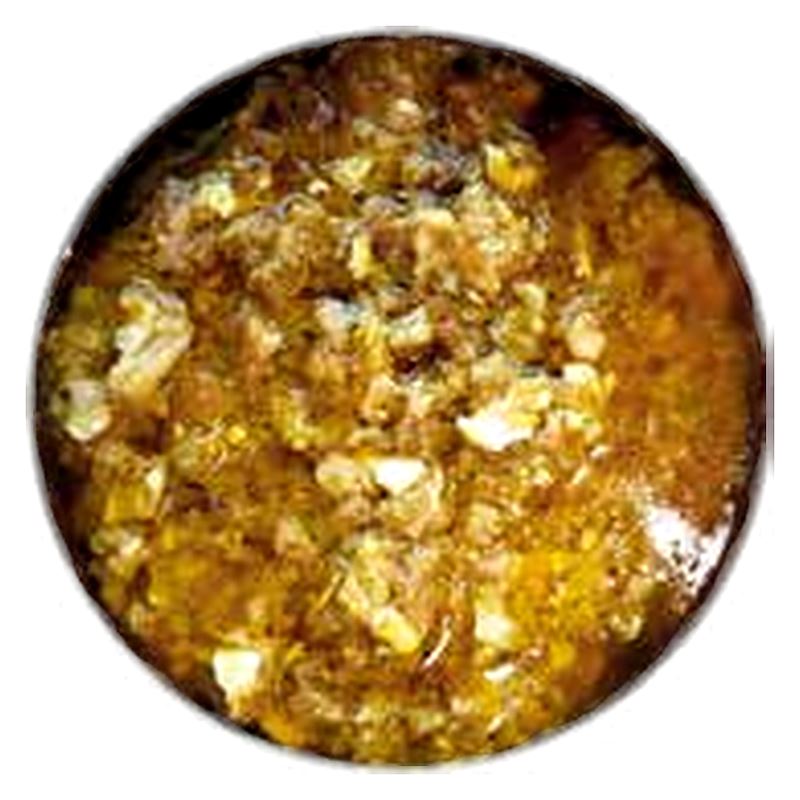
Here is the part that decides everything else. Kalle pache is a slow dish by nature. Heads, trotters and tripe are cleaned and prepared, then set to simmer low and long — a simmer measured in hours, not minutes. That patient heat is what draws body out of the trotters, softens cheek and tongue until they give way under a spoon, and turns water and bone into a broth with real weight to it.
So the kitchen is never waiting for your order to start cooking. It is already hours into tomorrow morning. When an order arrives at four in the morning, nothing is begun from scratch for you — your share is lifted out of a pot that has been working since the evening before. That is what makes being open 24 hours genuinely possible: not shortcuts, but a pot that stays ahead of the clock.
How is one order actually built?
Singles are portioned by the bowl, one part at a time: Soup, Eye, Brain Soup, Trotters, Brain, Lamb Cheek, Tongue, Meat, Tripe, or the Special Mix (mojoon) for anyone who wants a little of everything. If you are still deciding between them, our guide to the singles is the shortcut.
Platters are counted out rather than estimated. The Khan's Platter, built for six people, is four lamb cheeks, eight trotters, two brains, three tongues, four eyes and five breads — every one of them counted before a lid goes on. The Single Dish, Double Dish and The Full Dish follow the same logic for one, two and three people.
The broth is deliberately the last thing in, straight from the pot at its hottest, because every minute it stands is heat you will never get back. Then bread and sides join it: Sangak or Special Sangak, mixed torshi or garlic torshi, fresh lemonade, doogh, tea, water, and add-ons like onion, capsicum, fresh chilli, pickled green chilli or extra sangak. There is an omelette too, for whoever at the table wants something gentler. One honest exception: the Kettle of Tea is dine-in only — it cannot be sent out on a bike, so it never leaves the room.
| Stage | What is happening | Roughly how long |
|---|---|---|
| Before your order exists | Heads, trotters and tripe cleaned, then set to simmer | Hours, continuously |
| Payment clears | Order lands on the kitchen screen with items, notes, area and pin | Seconds |
| Confirmation | Kitchen accepts and sets an estimated time you see on the site | A couple of minutes |
| Portioning | Cheek, tongue, trotters, brain, eye and tripe divided per bowl | A few minutes |
| The broth | Ladled last, straight from the pot, so it goes in at its hottest | Under a minute |
| Bread and sides | Sangak, torshi, onion, chilli, lemonade or doogh added | A minute or two |
| Packing | Lids sealed, hot items kept together, bread and sides alongside | A few minutes |
| Handover | Rider takes the bag with your area and map pin | Minutes |
| On the road | Depends on your Dubai area and the hour of day | Varies |
| At your door | The rider calls; the bag is in your hands | A moment |
Which parts do you decide, and which does the kitchen?
You decide the items, the notes, whether it is delivery, pickup or dine-in, your Dubai area and map pin, and — if you want it — the future hour the food should reach you. Everything after that belongs to the kitchen: the estimated time, the order in which bowls are filled, how a counted platter is laid out, and the packing sequence that keeps the heat in.
It is a clean split, and it is worth using well. The two fields customers underuse most are the map pin and the notes, and they are exactly the two that decide whether the last hundred metres go smoothly.
How is it packed so it is still hot at your door?
Packing is a race against temperature and it is treated as one. Lids are sealed the moment a bowl is filled, hot items are kept together so they hold each other's heat, bread and sides are tucked alongside rather than pressed on top, and the bag is closed and handed straight over instead of standing on the counter. The order of operations is the whole trick: nothing hot ever waits while something cold is fetched. If you want the detail on the packaging itself, that has its own article.
What happens between our door and yours?
Delivery goes out from one kitchen in Jumeirah 1. There are no branches, which means every order on every road in Dubai comes out of the same pot. At checkout you choose your Dubai area from the list and drop a map pin — both are required, and that pairing is the reason the rider is not calling from a roundabout asking which tower is yours. Delivery is free on orders over AED 300.
When the rider reaches you, they call. Take the bag straight to the table if you can — kalle pache is at its best in the first minutes after it is opened.
Why does pre-ordering a specific hour actually work?
Because of the pot, again. A dish that needs a long overnight simmer can only reach you at dawn if that simmer was already running the night before — and it was. So when you choose a future time at checkout, up to about two days ahead, you are not asking the kitchen for something unusual. You are asking for your share of a pot that was always going to be ready at that hour.
That makes a scheduled order the most reliable way to eat kalle pache at six in the morning, or to have breakfast waiting the moment guests arrive. Pick the hour you want to eat, not the hour you want the food to leave the kitchen.
Is anything different for pickup or dine-in?
Pickup removes the road entirely: same confirmation, same estimated time, and you collect it at the kitchen — the shortest possible distance between the pot and your table. Dine-in removes the packing too. You can reserve a table, and it is the only way to have the Kettle of Tea, which by its nature stays where it is poured. If you are weighing the three up, this comparison goes through them properly.
What can you do to help your order arrive at its best?
- Drop the map pin on the actual building entrance, not the middle of the community.
- Use the notes field for the tower name, floor, gate instructions or "call from the lobby".
- Keep your phone within reach — the rider calls on arrival, not before.
- Order the bread with the meal rather than after it; sangak is part of the dish, not an afterthought.
- If you want it at a particular hour, schedule it rather than trying to time your click.
- Open it at the table and pour the broth while it is still steaming.
Is kalle pache good for you?
It has a long reputation as a restorative winter and pre-dawn meal, and that reputation is cultural rather than clinical. This article is not medical advice — if you have a health condition, or a question about what suits you, please ask your doctor.
One kitchen, one pot
There is no clever machine at the centre of this story. There is a pot that starts long before you are hungry, hands that portion by eye and by count, and a system that makes sure someone knows exactly what to do the second your payment clears. When you are ready, the menu is on the homepage — and the pot is already simmering.
