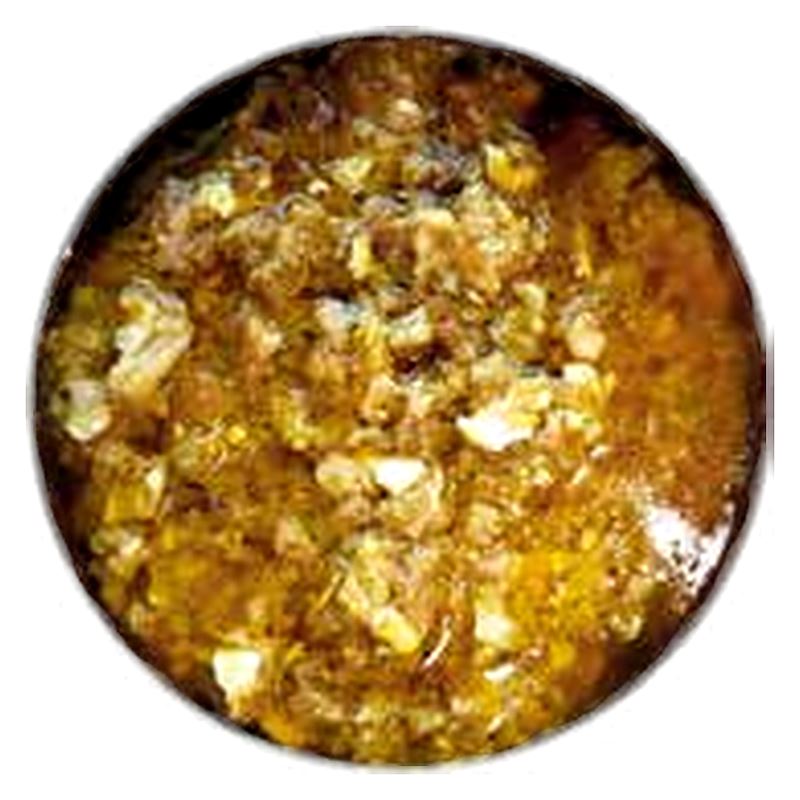
What Do the Persian Words on a Kalle Pache Menu Actually Mean?
Most restaurant menus translate themselves. A kalle pache menu does not. It is still written in the vocabulary of a Tehran breakfast counter, where everyone already knows what bonagoosh is and nobody has ever had to explain sofreh. If you are standing at our counter on Jumeira Street at two in the morning, or scrolling the order page for the first time, about fifteen words are the only thing standing between you and a very good bowl of broth.
So here is the whole vocabulary, taken apart: what each Persian word literally means, what physically arrives in front of you, and the Arabic word for it where a real equivalent exists. Arabic speakers have a head start — three of these words carry over outright, and the dish itself is the one already known across Iraq and the Gulf as baja (الباجة).
What Is the Full Kalle Pache Glossary, Word by Word?
This table is the heart of the article. Everything after it is detail on the entries that surprise people most.
| Persian term | Literal meaning | What arrives on the plate | Arabic equivalent |
|---|---|---|---|
| Kalle (کله) | Head | The head cuts as a group: cheek, tongue, brain and the meat around the skull | رأس |
| Pache (پاچه) | Lower leg, shank | Lamb trotters, cooked to gelatin, eaten with the fingers | كوارع / أكارع |
| Paye (پایه) | Foot, leg | Another everyday word for exactly the same trotters | أكارع |
| Maghz (مغز) | Brain; also "kernel, core" | Pale lamb brain, served whole and separate, never stirred in | مخ |
| Zaban (زبان) | Tongue; also "language" | Peeled lamb tongue, sliced, firm and lean | لسان |
| Bonagoosh (بناگوش) | "The root of the ear" | Lamb cheek — the soft meat beside the jaw, under the ear | لحم الخد (no single word) |
| Sirabi (سیرابی) | Tripe | Cleaned stomach lining, pale and gently chewy | كرشة |
| Abgoosht (آبگوشت) | "Water-meat" | The broth itself; also the name of a related Persian stew | مرق |
| Sangak (سنگک) | "Little pebble" | Long flatbread baked on hot stones, warm and dimpled | خبز السنكك |
| Torshi (ترشی) | From torsh, sour | Mixed vegetable pickles in vinegar, eaten between bites | طرشي / مخلل |
| Seer torshi (سیر ترشی) | "Garlic pickle" | Whole garlic aged for years until dark, soft and mellow | ثوم مخلل معتّق |
| Doogh (دوغ) | Churned milk | Cold salted yogurt drink, sometimes with dried mint | لبن مالح / شنينة |
| Chai (چای) | Tea | Black tea, drunk hot and unhurried after the meal | شاي (same word) |
| Sofreh (سفره) | The cloth spread for a meal | Not a dish: the whole laid table, and the act of sharing it | سفرة (same word) |
| Nazri (نذری) | "Given as a vow" | Not a dish: food cooked and given away freely, to everyone | نذر / طعام النذر |
What Is the Difference Between Kalle, Pache and Paye?
This is the question that trips up almost every newcomer, and the answer is refreshingly simple. Kalle is the head. Pache is the lower leg. The dish name is just the two nouns pushed together, the way "surf and turf" is. It is not a chef's invention or a brand — it is a shopping list that turned into a name.
Paye is the third word people meet, and it is not a third thing. It is simply another everyday Persian word for the trotters, used interchangeably with pache on menus and at market stalls. If you order paye, you get feet: no head cuts, and the silkiest broth of anything in the pot, because the collagen in those joints is what turns fourteen hours of gentle heat into gelatin.
What Are Maghz, Zaban and Bonagoosh on the Plate?
Maghz is brain — the same word Persians use for the kernel of a walnut, which tells you how it is regarded. It arrives pale, intact and on its own plate, because it is delicate and should never be broken into the broth. Its texture is closer to a set custard than to meat.
Zaban is tongue, and it is the least alarming item on the whole menu for first-timers: peeled, sliced, firm and lean, it tastes like a very good slow-braised cut. The word also means "language" in Persian, which makes for a lot of bad jokes at the counter. In Arabic it is simply لسان.
Bonagoosh is the one word with no clean English or Arabic parallel. It breaks into bon (root, base) and goosh (ear): the root of the ear. What you receive is lamb cheek, the muscle beside the jaw that works all day and therefore turns unusually tender and sweet after long cooking. In Arabic you have to describe it — لحم الخد — because no single word covers it.
What Do Sirabi and Abgoosht Mean, and Are They the Same Thing?
They are unrelated, and the pairing confuses people because both sound like "soup words". Sirabi is tripe: cleaned stomach lining, pale, mild and gently chewy, and the item most likely to convert someone who thought they disliked offal. Arabic speakers already know it as كرشة.
Abgoosht is not an organ at all. Split the word and it reads ab (water) plus goosht (meat): broth. In Iran, abgoosht is also the name of a whole separate lamb-and-chickpea stew, but on a kalle pache table the word means the liquid — the deep, tea-coloured broth you ladle over torn bread. Our plain soup and brain soup are both built on it.
Which Menu Words Are Not Meat at All?
Five of the fifteen terms describe the things around the bowl, and they are not optional extras — they are how the dish is actually eaten:
- Sangak means "little pebble", because the dough is baked directly on a bed of hot stones. You will see the dimples they leave. It is a spoon, a plate and a napkin all at once.
- Torshi comes from torsh, sour. Mixed vegetables in vinegar, taken in small bites between rich mouthfuls to reset the palate.
- Seer torshi is pickled garlic, aged for years until the cloves turn dark, soft and almost sweet. Ours is the seven-year kind, and it is nothing like raw garlic.
- Doogh is churned yogurt, salted and cold, sometimes with dried mint. It is the traditional drink with this meal, not lemonade.
- Chai is simply tea, drunk hot afterwards — and it is the same word in Arabic, Turkish, Urdu and Russian.
Why Do Iranians Call the Table a Sofreh?
Because for most of Persian history there was no table. A sofreh is the cloth spread out for a meal, traditionally on the floor, and the word came to mean the whole spread and the act of sharing it. Arabic speakers know the same word as سفرة. When we describe our platters for one, two, three or six people, we are describing a sofreh: one shared surface, several plates, everyone reaching.
Nazri is the other word that is not a dish. It comes from nazr, a vow — food cooked in fulfilment of a promise and given away free to whoever passes, with no distinction of who they are. In Iran, whole streets are fed this way on certain days. We mention it because kalle pache belongs to that same generous tradition: food that was never meant to be eaten alone.
How Do You Use These Words to Order in Dubai?
You can now read our list without a guide. Pick a single if you want to meet one thing properly — maghz, zaban, paye, bonagoosh, meat or sirabi — or take the Special Mix if you want a little of everything in one bowl. If you are feeding a group, the communal platters come sized for one, two, three or six people, and that is your sofreh. Add sangak, mixed torshi, the seven-year garlic and a cold doogh, and finish with chai.
We are at 64 Jumeira Street, Jumeirah 1, open 24 hours a day, seven days a week, because this food has always belonged to the early hours. Each pot is cleaned by hand before dawn and simmered about fourteen hours in copper with onion, turmeric and garlic, skimmed hourly until the broth is the colour of strong tea. See every term on the menu and order page for delivery across Dubai or pickup, or reserve a table and let us walk you through it in person.
Does This Glossary Tell You What You Should Eat?
No — this is a language guide and a culinary tradition, not medical advice. Kalle pache is a rich dish with a very long history behind the way it is cooked and shared, and how any part of it fits your own diet is a question for you and your doctor, particularly if you are managing cholesterol, gout, kidney or heart concerns, or you are pregnant. If you have an allergy or need to know exactly what is in a specific item, please contact the restaurant directly before ordering and we will tell you plainly.
