Kalle pache or karak chai and paratha: which is the better Dubai breakfast?
Neither one wins in the abstract. Karak chai with paratha is the better breakfast when you have five minutes and somewhere to be; kalle pache is the better breakfast when you have an hour and someone to sit with. The difference is less about flavour than about what each one asks of your morning — one is a stop, the other is a plan.
Dubai runs on both, often in the same week. What follows compares the two, with real affection for each: the sweet, milky, standing-up breakfast, and the slow, savoury, sitting-down one.
What does each one give you at five in the morning?
Karak chai gives you heat, sugar, milk and spice in a small glass, almost immediately. A paratha or another griddled flatbread does the rest: flaky, buttery, filling enough to carry you to lunch, and easy to eat with one hand while the other holds the glass. It is a breakfast shaped by people who were already late.
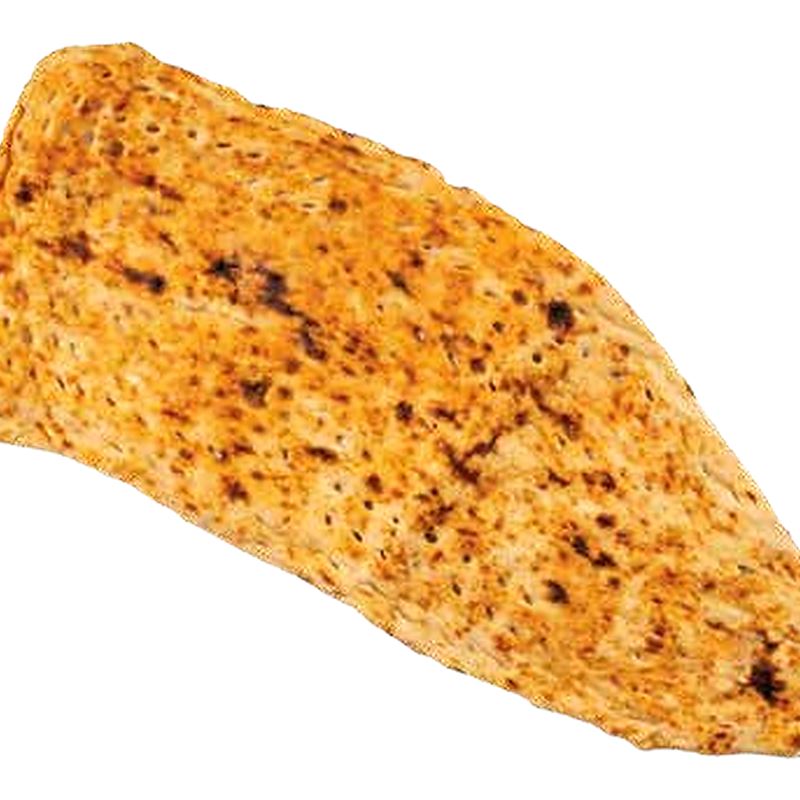
Kalle pache is the same instinct turned inside out. Instead of a sweet glass, a savoury bowl: broth from lamb heads and trotters that have been cleaned and trimmed thoroughly, blanched with that first water thrown away, then simmered for many hours — around fourteen — and skimmed again and again as it works. That patient handling is what gives the broth a clean taste and a full body, and collagen from bone, skin and trotters dissolves into the liquid, which is why leftover broth sets in the fridge like jelly. Around the bowl: sangak bread, something sharp like garlic torshi, and soft meat from the cheek, tongue or trotters.
So, plainly: caffeine and sweetness on one side, savoury warmth and meat on the other. None of this is medical advice. If you are weighing up sugar, caffeine, cholesterol, portion size, or how any breakfast fits your own body, please ask your doctor or a dietitian — not a restaurant blog.
How much time does each one really cost you?
This is the comparison that matters. Karak with bread costs you almost no time at all: you stop, you order, you stand, you drink, you go. It slips into a morning that was happening anyway.
Kalle pache costs you time on purpose. The pot's fourteen hours are already spent by the time you meet it, but the eating is not meant to be rushed. Bread has to be torn, the broth is seasoned to your own taste, and the best part is the slow middle of the meal, when the table has stopped talking about work. If you order it home, you place the order, the kitchen confirms it and sets an estimated time you can follow on your order page, and the rider phones you when he arrives. If you come to us, you can reserve a table for dine-in. Either way, it is an appointment with your own morning.
How is each one actually eaten?
Karak is a food for one, or a food for two people who are not really talking. One hand, one glass, standing, often on the pavement outside. It is sociable in a light way — people nod, the queue moves — but it asks nothing of anybody.
Kalle pache is the opposite. It is served in bowls and on platters built to be reached across: the Double Dish feeds two, The Full Dish three, and The Khan's Platter is made for six, carrying lamb cheeks, trotters, brains, tongues, eyes and bread all at once. Everybody tears their own sangak, and somebody always claims the cheek. Eating alone is normal too — a single bowl of Soup, or Meat, or Tongue — and our guide to the single bowls will help you pick one.
How do the two compare, side by side?
| What you are comparing | Karak chai and paratha | Kalle pache |
|---|---|---|
| Time it asks of you | A short stop, standing, unplanned | An unhurried sitting; for delivery, ordered ahead |
| What it gives you | Hot, sweet, milky, spiced tea and a filling bread | Savoury broth, slow-cooked meat and sangak; a heavy, warming meal |
| How it is eaten | One glass, one hand, usually alone | Bowls and platters at a table, usually shared |
| The occasion it suits | The commute, the site, a pause before dawn | A day off, guests, a family table, a night that ran long |
| Where we fit | We do not make karak | Tea, Black Tea, and a Kettle of Tea for dine-in only |
When is karak chai and paratha genuinely the better call?
Often, and we mean it. If you have to be on site at six, karak wins. If you are alone with fifteen minutes and no appetite for a whole meal, karak wins. If what you want is something sweet, karak wins outright, because our menu has no dessert on it at all. And if you simply love it, that is reason enough: karak is loved because it is warm, quick, everywhere, and it has never once let anyone down at five in the morning. Nothing in this article is an argument against it.
When is kalle pache the better call?
When the morning belongs to you. A day off, a Friday, a table with family or friends around it. When someone is visiting and you want them to eat something that tastes like home. After a night that ran long — a shift, a flight, a wedding — when the last thing you want is sweet, and what you want is salt, warmth and bread. And when there are six of you, because a platter is a real reason to sit down together. If you are new to it, start light: the Soup on its own is the gentlest way in, as we explain in our soup-only guide.
Do you serve karak chai?
No — and we would rather say so plainly than dress it up. We are a kalle pache kitchen; karak is not something we make. What we do have is tea: Tea, Black Tea, and a Kettle of Tea that is dine-in only, because a kettle is meant to sit on the table and be poured through the whole meal. There is also doogh, the salted yoghurt drink that traditionally goes with this food, plus Lemonade, water and soft drinks. If karak is what your morning needs, get it where you always do, and come to us on another morning.
What if you want a meat-free morning?
Then it is only fair to tell you that this is a meat kitchen. The only things on our menu without meat are the Omelette, Sangak Bread, Special Sangak, Mixed Torshi and Garlic Torshi, the vegetable add-ons — capsicum, onion, fresh chilli, pickled green chilli — and the drinks. There is no vegetarian main, no salad bar and no vegan dish, and we would rather say that now than at the table. We also cannot make any promise here about how those items are prepared or kept apart, so if that matters to you, please phone 04 321 8882 and ask before you order. On a strictly meat-free morning, karak and paratha is likely the easier choice.
How do you order kalle pache for an early Dubai morning?
From the website, at any hour. The kitchen at 64 Jumeira Street, Jumeirah 1 is open 24 hours, every day, and there is only one of it: everything that goes out across Dubai comes from that pot. There is no app, no account and no password. Choose delivery, pickup or dine-in, give a name and phone number, and for delivery pick your Dubai area from the list and drop a pin on the map so the rider can find you. Payment is by secure online card at checkout. Delivery is free over AED 300.
If five in the morning is the plan rather than the accident, schedule it: you can choose a future time up to about two days ahead. After payment the kitchen confirms the order and sets an estimated time on your order page, and if an order cannot be taken it is refunded automatically to the card that paid, with the reason shown there. Step by step, here is how to order online. Or call 04 321 8882 — the only contact number we have.
