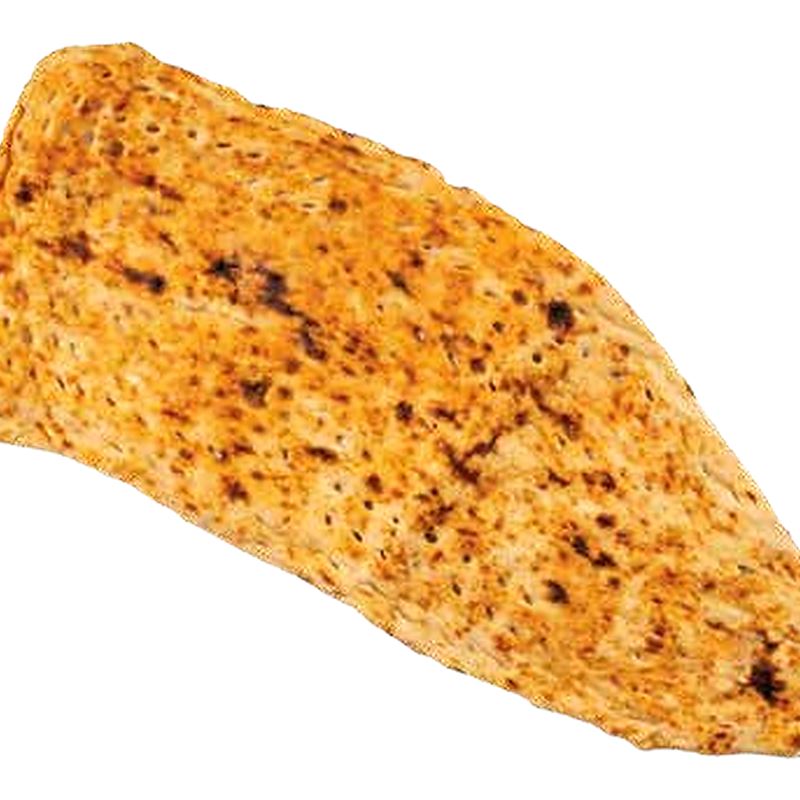
What Is Tilit, the Persian Bread-in-Broth Ritual?
Tilit (also spelled tirit) is the simple, almost sacred act of tearing bread into a hot bowl of broth and letting it soak until it turns soft, silky and saturated with flavour. It is not a garnish or an afterthought — it is the first proper course of the meal. In an Iranian home, the moment a pot of kalle pache or abgoosht reaches the table, hands go to the bread before the spoons. You shred warm sangak into the broth, press it under with the back of a spoon, wait a minute, and eat the swollen, broth-heavy bread first. That soft, savoury layer is tilit, and for millions of people it is the heart of the whole ritual.
Why Is Bread-in-Broth So Central to How These Dishes Are Eaten?
Kalle pache and abgoosht are, at their core, broth dishes. Lamb head, trotters and shanks are simmered for many hours until the liquid turns the colour of strong tea and thick with dissolved collagen. That broth — ab in Persian — is the prize, and bread is how you carry it from bowl to mouth without losing a drop. There is thrift in it too: bread stretched a modest amount of meat into a meal that filled a table, which is why nearly every traditional Persian broth is eaten nan-o-abgoosht, "bread and broth," as a single idea rather than two separate things. Skip the tilit and you have missed the point of the dish.
Which Bread Makes the Best Tilit?
Sangak, without much argument. Its open, dimpled, stone-baked crumb behaves like a sponge — it drinks broth greedily yet keeps enough wheaty chew that it swells rather than dissolving into paste. Our special sangak, scattered with sesame and nigella, adds a nutty aroma that survives the soak. Barbari works but is denser and slower to take on liquid; lavash is far too thin and turns to slush in seconds. A slightly cooled or day-old sangak actually makes firmer tilit than a piping-fresh loaf, because a little dryness lets it absorb without collapsing. Serve it with torshi and a glass of doogh and you have the classic table.
How Long Should the Bread Soak?
Aim for about a minute. You want the bread heavy and yielding but still holding its shape on the spoon — soaked through, not disintegrated. Tear it into pieces no bigger than a matchbox so the broth reaches the middle, and add it in small batches you can eat within a few minutes; bread left too long sinks into a grainy mush and the pleasure is gone. The target texture sits somewhere between a soft dumpling and a spoonful of savoury bread pudding.
| Soak time | Texture | Verdict |
|---|---|---|
| A few seconds | Warm but still bready and chewy in the middle | Under-done — broth hasn't reached the centre |
| About 1 minute | Swollen, silky, holds its shape on the spoon | Just right — the classic tilit |
| Several minutes | Falling apart, grainy, sunken | Over-soaked — add fresh bread instead |
Broth First or Solids First — What Is the Right Order?
Think of the bowl as two courses. The first is the broth-and-bread course: ladle the hot stock over your torn sangak, season it, and eat that soft tilit with a spoon while it is at its most fragrant. Only then do you move to the solids — the lamb cheek, tongue, trotters and brain — usually with fresh, dry bread and a sharp bite of pickle. In a classic abgoosht or dizi this split is literal: you pour the broth off for tilit, then mash the meat, chickpeas and potato into a separate paste. Kalle pache follows the same rhythm — liquid comfort first, rich solids second.
How Do You Build a Perfect Tilit at the Table?
You need very little — hot broth, good bread and a few sharp seasonings:
- Warm sangak, torn into matchbox-sized pieces
- A ladle or two of hot kalle pache or abgoosht broth
- Fresh lime, crushed garlic, ground cinnamon and black pepper
- Torshi and a glass of doogh to finish
Then build it in order:
- Tear warm sangak into small, roughly matchbox-sized pieces and lay them in the bottom of your bowl.
- Ladle over enough hot broth to cover the bread and press it under with the back of your spoon.
- Season the broth to taste — a good squeeze of fresh lime, crushed garlic, a pinch of cinnamon and plenty of black pepper are the classic four.
- Let it rest for about a minute, until the bread swells and softens but still lifts cleanly on the spoon.
- Eat the tilit first while it is hottest, then move on to the meat with dry bread, torshi and a glass of doogh.
Where Does the Tilit Habit Come From?
Tilit is comfort food in the deepest sense — a dish of thrift, warmth and memory. It grew up in the abgoosht houses and dawn kalle-pache stalls of Iran, where labourers and market traders needed something hot, cheap and filling before a long day. Bread was the cheapest thing on the table, broth the most nourishing, and together they became breakfast for generations. Ask most Iranians about tilit and they will describe a specific bowl: a grandparent pressing bread under the broth, a winter morning, steam on the window. That emotional weight is exactly why it still tastes like home.
Where Can You Eat Tilit and Kalle Pache in Dubai?
At Shaun the Sheep, a kalle-pache kitchen at 64 Jumeira Street, Jumeirah 1, the broth simmers around the clock and the sangak arrives hot enough to make tilit the moment it lands. Our lamb is halal, and the kitchen is open 24 hours, 7 days a week, with delivery to all 141 Dubai areas — free over AED 300 — plus pickup and dine-in. Order a Single, Double or family platter with sangak from the menu and order page, pay securely by card online, or reserve a table to tear the bread into the bowl the way it is meant to be eaten.
