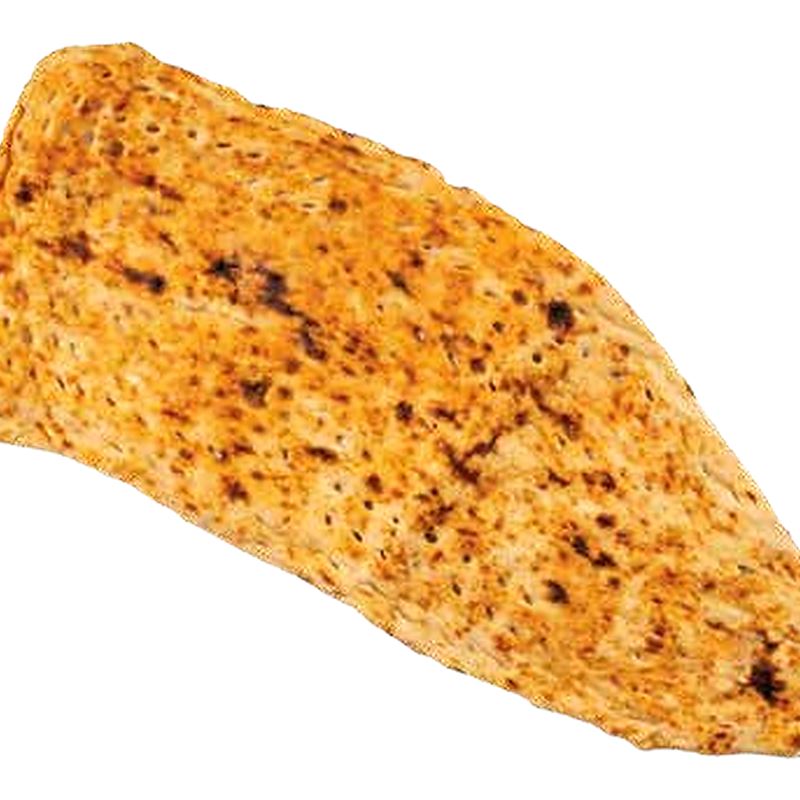
Dine-in at Shaun the Sheep means eating kalle pache in the same kitchen it was cooked in — our one kitchen in Jumeirah 1, Dubai — minutes after the bowl is filled. That short distance is the whole point: broth at its hottest, bread that has not spent any time in a bag, and a Kettle of Tea that only exists at the table, because it is the one thing on the menu we cannot deliver. You can reserve a table on the reservation page, and because the kitchen runs 24 hours a day, every day, that table can be for an ordinary lunch or for four in the morning.
Here is the honest version: what changes when you eat in, how the table is shared, what to order, how reserving works — and when ordering delivery from the menu is the better decision.
What is eating in at the Jumeirah 1 kitchen actually like?
Start with the fact that matters most: there is one kitchen. No branches, no second location cooking a slightly different pot. What you eat in the room is exactly what goes out to every Dubai address we deliver to.
A kalle pache table is not a quick transaction. Bowls come out as they are ready rather than all at once. Bread arrives to be torn and passed around. The meal spreads over an hour. Early mornings have their own quiet rhythm and late nights have another, and since the kitchen never closes, there is no such thing as too early or too late to sit down.
The menu at the table is the same menu that is on the site, and the site is trilingual — English, Arabic and Farsi. If kalle pache is new to you, read what kalle pache actually is before you come, so the names already mean something.
Why is kalle pache better in the room?
Three things genuinely improve at the table, and they are worth naming instead of being vague about atmosphere.
Heat. Broth is a temperature dish as much as a flavour dish. The Soup — the abgoosht broth — the Brain Soup, a bowl of Trotters: they are at their best in the moment they stop being too hot to sip. Our delivery packaging holds that heat across the city, but eating in removes the journey altogether.
Bread. Sangak is the long, thin Persian flatbread that carries the whole meal, and it is at its best in its first minutes, while it is still soft and steaming slightly when you tear it. At the table it goes straight from the kitchen to your hands.
The Kettle of Tea. A kettle lives on the table for as long as you do, and it cannot be packed into a delivery bag and still arrive as itself. So it is dine-in only, full stop.
Why can the Kettle of Tea not be delivered?
Because a kettle is not a serving, it is a habit. It gets poured a second and a third time, and it is why a kalle pache table keeps going long after the bowls are empty. Ordering to your home? Order Tea or Black Tea with your food and you will be perfectly happy. If you want the kettle, you have to come and sit.
What is the sofreh way of sharing a table?
Sofreh means the spread itself, and by extension the way everyone eats from it together. In practice, nobody gets a dish of their own. You order across the table, not down a list of individuals.
The most enjoyable version is a couple of singles by the bowl — say Lamb Cheek, Tongue and Brain — plus a platter in the middle, bread within reach of everyone, torshi on the side, and Doogh or fresh Lemonade for the table. Everybody takes a little of everything, and nobody is stuck with a bowl they are unsure about.
That is also why the platters are sized by people rather than by portion. The Single Dish is for one, the Double Dish for two, The Full Dish for three, and The Khan's Platter for six: four lamb cheeks, eight trotters, two brains, three tongues, four eyes and five breads.
What goes on the table besides the bowls?
Bread first, and more of it than you planned — extra sangak is an add-on for exactly that reason. Then Mixed Torshi and Garlic Torshi, the pickles that cut through a rich bowl, and the add-ons that let everyone build a mouthful their own way: capsicum, onion, fresh chili and pickled green chili. To drink, Doogh is the traditional partner: salty, cooling and a better match for a fatty broth than anything fizzy. Fresh Lemonade is the brighter choice, and there is Tea, Black Tea, Water and soft drinks as well.
What should a first-timer order sitting down?
At a table you can start small and add, so do exactly that: one thing you are confident about, one thing you are curious about, and share both.
- Confident: Soup — the abgoosht broth — or the Meat. Both are gentle and a good baseline for everything else.
- Curious: Lamb Cheek is the easiest of the famous cuts to fall for. Tongue is soft and mild. Brain is rich and creamy. Trotters are the most traditional. Eye is the boldest.
- Undecided: the Special Mix — mojoon — a bit of everything.
- Always: Sangak Bread or Special Sangak, one of the torshis, and Doogh or fresh Lemonade.
- Not very hungry, or eating with a child: the Omelette, alongside everyone else's bowls.
Then, at the end, the Kettle of Tea. To choose before you arrive, our guide to the singles goes bowl by bowl.
One honest note: kalle pache has a long reputation as restorative morning food, especially in cold weather. That is tradition rather than medicine. None of this is medical advice — if you have any health or dietary concerns, please ask your doctor.
Dine-in or delivery: which suits which occasion?
| The occasion | Better choice | Why |
|---|---|---|
| Weekend breakfast with family or friends | Dine-in | A platter in the middle, bread arriving warm, nobody watching the clock |
| You want the Kettle of Tea | Dine-in only | The one item that cannot travel |
| First time trying kalle pache | Dine-in | Start with two singles, taste both, order more of the winner |
| A 3am craving at home | Delivery | The kitchen is open anyway |
| Feeding a full household | Delivery | The Khan's Platter travels well, and delivery is free over AED 300 |
| Guests arriving at dawn | Scheduled delivery | Pick a future time up to about two days ahead |
| Unwell and staying in | Delivery | Broth and bread at your door; the rider calls on arrival |
| On the road, short on time | Pickup | Order and pay on the site, then collect in Jumeirah 1 |
Still weighing it up? We compared delivery, pickup and dine-in in more detail.
How do you reserve a table?
On the site, in a minute. Open the reservation page, choose your time, tell us how many are coming, and you are done. Reserving is most worth doing for a group or at a busy hour.
Ordering food is separate from booking the table. Dine-in is one of the three ways to order from the menu, alongside delivery and pickup, and every order placed on the site is paid for by secure online card payment at checkout — that is the only payment method the website uses. Once payment goes through, the kitchen confirms the order and sets an estimated time you can follow on the site.
When is delivery honestly the better choice?
Often. The room is better for heat, bread and the kettle, but the food is the same food, and some nights the smart move is to stay where you are.
Ordering home is straightforward: choose your Dubai area from the list and drop a map pin. Both are required, and the pin is what gets the rider to your door rather than to the middle of your street. Delivery is free on orders over AED 300. For an early breakfast, use scheduled ordering and pick a future time up to about two days ahead, so a dawn delivery is arranged the night before. When the rider arrives, they call.
So: come and sit when you want the meal at its fullest — hottest broth, freshest bread, a kettle that keeps refilling. Order in when you want the same food without leaving the sofa. Either way it starts on the menu.
