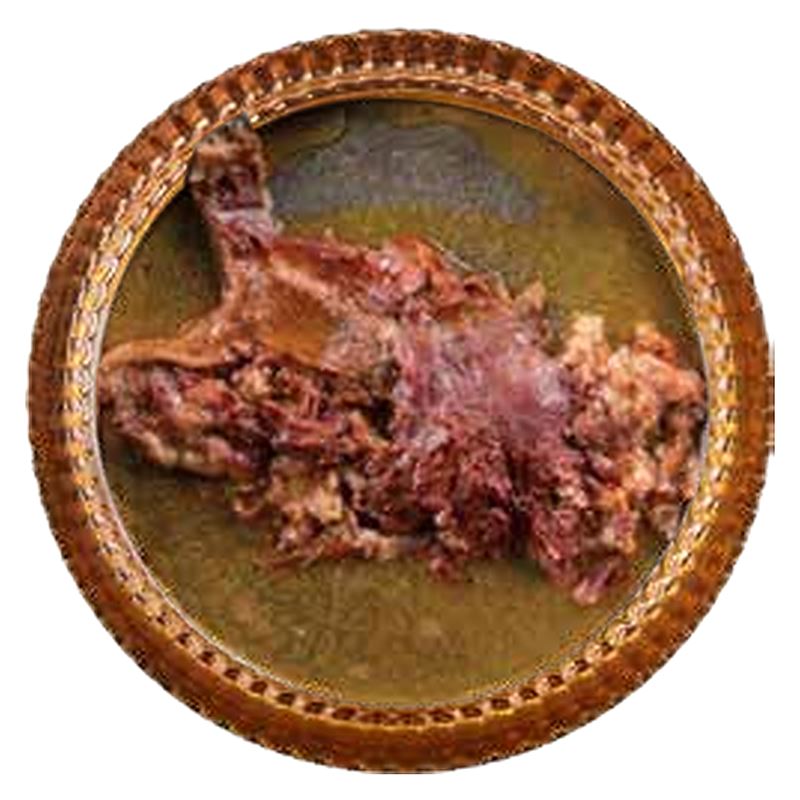
Why does home-made kalle pache go wrong so often?
Kalle pache looks deceptively simple: lamb head and trotters, water, a few aromatics and time. Yet the gap between a clear, glossy, tea-coloured broth and a cloudy, strong-smelling, greasy pot is exactly where most home cooks lose heart. The dish is unforgiving because nearly every mistake happens in the first and last hours — the cleaning, the boil and the skimming — and by the time you taste the result, the window to fix it has already closed. This is not a recipe; it is a troubleshooting guide for the brave home cook who has already tried and wants to know precisely what went wrong. If you would rather skip the fourteen-hour ordeal entirely, you can always order a fresh bowl from our menu and order page.
Why is my kalle pache broth cloudy instead of clear?
Cloudiness is the single most common complaint, and it almost always comes from two habits: not skimming, and boiling too hard. When bones and connective tissue first heat up they release a grey scum of coagulated proteins and impurities. Leave that scum in the pot and it breaks apart and disperses, turning the whole broth murky. A rolling, aggressive boil makes it far worse — the violent motion emulsifies fat and shredded protein back into the liquid so it can never settle clear. The traditional fix is patience: bring the pot up slowly, skim the first heavy foam off completely, then hold it at the gentlest possible simmer where only the occasional bubble breaks the surface. Skim again every hour. A clear broth is built in the first two hours and protected across the next twelve.
Why does my kalle pache smell too strong?
A heavy, off-putting smell is a cleaning problem, not a cooking problem. The head and trotters carry residual hair, glands and traces of blood that turn sharp and gamey if they go into the pot as they are. Traditionally the pieces are cleaned meticulously before dawn: the hair is singed and scraped away, the pieces are washed under running water again and again, and many cooks soak them for hours, changing the water, to draw out the blood. The first blanch matters too — a short, hard boil after which you throw that first water away entirely discards the worst of the impurities before the long simmer even begins. Onion, turmeric and garlic then round out whatever remains. Skip the pre-dawn cleaning and no amount of spice will rescue the aroma later.
What do the aromatics really do?
Onion, turmeric and garlic are not there to make the broth taste of onion, turmeric or garlic. They work quietly in the background to balance the richness and keep the smell clean and warm rather than barnyard. Add them early so they dissolve into the broth over the long cook, and resist the urge to over-spice — kalle pache is meant to taste of clean lamb and collagen, brightened only at the table with lemon, salt and cinnamon to each person's taste.
Why is my broth greasy — or thin and bland?
These are opposite failures with the same root cause: you are not managing fat and time. A greasy broth means melted fat has been boiled back into the liquid instead of being lifted off. During a gentle simmer, fat rises and pools at the surface where you can skim most of it away hourly; a hard boil folds it straight back in and coats every spoonful. A thin, bland broth is the reverse — too much water, too few hours, or too few bony, gelatinous cuts. The trotters are where the body comes from; without enough of them, or without enough time to break them down, the broth stays watery no matter how long you leave it on a high flame. Long and low extracts gelatin; short and hot only boils away water and toughens the meat.
Why is the texture gummy and sticky, or watery and weak?
Texture is all about gelatin, and gelatin is a balance. Too little water relative to bone, or a broth reduced too aggressively at the end, leaves a sticky, lip-gluing, over-gelatinous liquid that feels heavy. Too much water, or too few trotters, leaves it weak and characterless. The traditional method threads this needle by starting with the right ratio, topping up only with hot water if the level drops, and never reducing at a violent boil. You want a broth that just coats the back of a spoon and sets lightly when cooled — not a paste, and not water. If you would rather judge a finished bowl than your own pot, how to tell a well-made kalle pache broth runs through clarity, aroma, colour and how the meat gives way.
| Problem | Likely cause | The traditional fix |
|---|---|---|
| Cloudy broth | Not skimming; boiling too hard | Skim the first foam fully, then hold a bare simmer and skim hourly |
| Strong, gamey smell | Head and trotters not cleaned; no first blanch | Singe, scrub and soak before dawn; discard the first blanching water |
| Greasy broth | Melted fat boiled back in | Gentle simmer so fat rises; lift it off every hour |
| Thin, bland broth | Too much water, too few hours, too few bones | Less water, more trotters, about 14 hours low and slow |
| Gummy, sticky texture | Over-reduced or too little water | Keep the level up with hot water; never reduce at a hard boil |
| Tough, dry meat | Fast, high boil | Low and slow breaks collagen down into softness |
How does the traditional method avoid every one of these?
Read the failures back to back and a pattern appears: nearly all of them are cured by the same handful of old habits. Thorough hand-cleaning before dawn removes the source of the smell before it can ever develop. A single gentle simmer — around fourteen hours, never a hard boil — extracts gelatin for body while keeping fat and protein from clouding the broth. Skimming every hour lifts away fat and scum on a schedule, so the pot self-corrects long before serving. Even the copper pot plays a part: its even, steady heat distribution helps hold that low, consistent simmer without hot spots that would tip the broth into a boil. None of this is difficult, but all of it takes attention across a whole night — which is exactly what most home kitchens cannot spare.
So should you make it at home, or just order?
If you love the process, home-made kalle pache is deeply rewarding, and now you know the five things that most often go wrong and how to head each one off. But it is honest to say the fourteen-hour simmer, the pre-dawn cleaning and the hourly skimming are a serious commitment — one many people try once and happily never repeat. At Shaun the Sheep, our single kitchen at 64 Jumeira Street in Jumeirah 1 has the pot going around the clock, cleaned before dawn and skimmed hourly the traditional way, so a clear, tea-coloured bowl is ready whenever the craving strikes. We deliver across all of Dubai, with the fee shown by area before you pay and free delivery over AED 300, and you pay securely online. You can order for now or schedule it for later on our menu and order page, or reserve a table if you would rather eat it fresh at the source. Kalle pache has long been enjoyed as a warming, comforting tradition rather than a remedy — that is culinary heritage, not a proven health claim. This is not medical advice, so if you have specific dietary or health questions, please check with your doctor.
