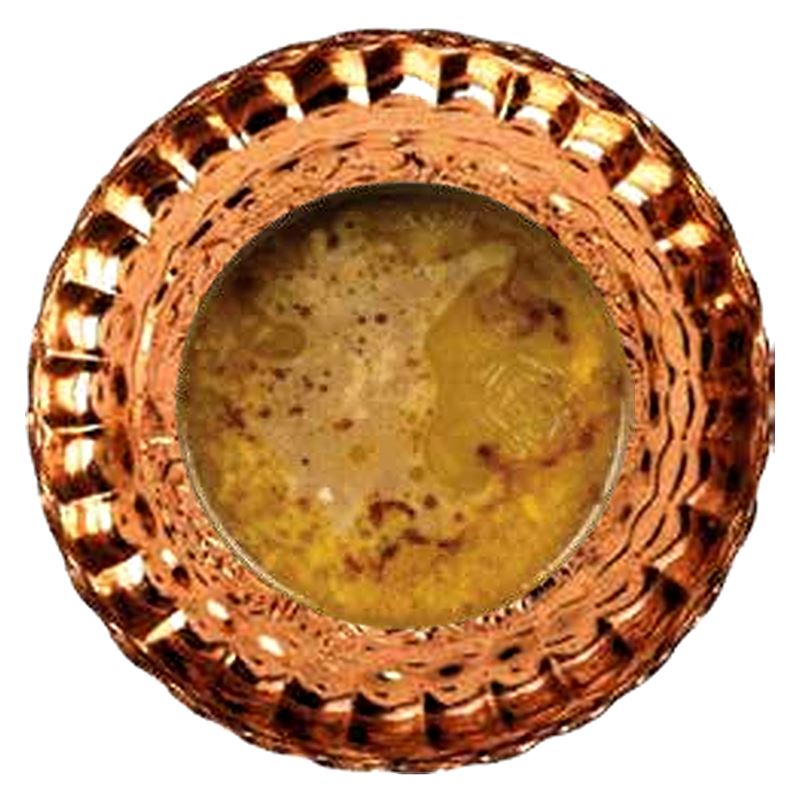
Why is kalle pache eaten at dawn?
Kalle pache is a first-light dish, and the reason is practical long before it is romantic. A broth built from head and trotters cannot be hurried. It goes on the fire while the city sleeps and holds a low simmer through the dark hours, until the meat surrenders and the liquid turns rich and clear at once. By the time the pot is ready, the night is ending. The cook's clock and the eater's clock meet at first light, and they have been meeting there for generations.
There is a second reason anyone who has eaten it recognises: the dish is warm, slow and quietly filling. It settles a person rather than speeding them up, which is why the custom fixed itself where it did — broth at dawn, sangak torn into it, a kettle of tea after, and then the day.
What is the connection between kalle pache and fajr?
Fajr, the dawn prayer, falls before sunrise — the same window in which kalle pache has always been served. The two share an hour, and over generations the sharing turned into a habit. In Tehran, Tabriz, Baghdad and now Dubai, kalle pache houses fill around first light, when part of the neighbourhood is already awake and out and the streets are quiet.
Some eat before, some after; some come from a mosque nearby, some off a night shift, some straight from home. We make no rulings about any of that, and it is not a restaurant's place to. What we can describe is the custom that grew around the hour, and the calm of a dining room at that time: low voices, steam on the glass, spoons against bowls, nobody in a hurry. In Ramadan the same rhythm shifts a little, and we wrote about that in kalle pache for suhoor and iftar.
Why do kalle pache shops open before the rest of the city?
Because the work starts the night before. Heads, trotters and tripe are cleaned and put down early; the pot is then watched, skimmed and kept steady while the dark hours pass. A shop opening at an ordinary breakfast hour would serve a broth that had only just begun. Opening before the city is not a marketing decision — it is what the pot demands.
That is also why these places became gathering points for everyone whose day does not begin with office hours: drivers, bakers, market traders, nurses coming off shift, travellers who landed in the dark. The dawn table never belonged to one group alone.
What goes on the table at that hour?
| If you want | Order |
|---|---|
| The whole tradition on one plate | Single Dish, or Double Dish if hungry |
| A gentle way to begin | Brain Soup |
| The cut the regulars ask for | Lamb Cheek |
| A shared table with family or friends | Special Mix, or the three- or six-person platter |
Alongside: sangak to tear and dip, aged garlic torshi or mixed torshi to cut the richness, doogh, and a kettle of tea to finish. All of our lamb is halal.
Can you still keep the dawn habit in Dubai?
Yes — that is why we do not close. Shaun the Sheep is open 24 hours, seven days a week, at 64 Jumeira Street, Jumeirah 1, so the dawn window is an ordinary part of the day here rather than a special arrangement. Sit in with table service, order for pickup, or have it delivered across all 141 Dubai areas, with the fee for your area shown at checkout. Reservations are possible, the entrance is wheelchair accessible, and cards, cash and digital payments are accepted in the restaurant. If there is anything else about the room you want to know first, call ahead on 04 321 8882 or ask when you arrive — we would rather answer honestly than promise something we have not checked.
If your dawn is the far end of a long night, the same kitchen covers that too: late-night food in Dubai. For the dish's older communal side — pots cooked to be given away — read kalle pache and the nazri tradition.
