Which Persian dish should you cook first?
Kateh. It is one-pot Persian rice, and our own recipe says so plainly: because it is a one-pot absorption method, kateh is the friendliest Persian rice for a beginner. Rice, water, salt, a little fat, a lid. Nothing is drained.
Start there rather than with a stew, because rice is the thing almost every Persian dinner sits on. Learn the one-pot kateh method and half the repertoire opens up. Learn a stew first and you will be serving it on rice you have not learned to cook.
Why is “how hard is it” the wrong question here?
Because little in everyday Persian home cooking is technically difficult. Read our recipes back to back and one sentence keeps reappearing: not difficult, but long. Not difficult, but hands-on. Not difficult, but it rewards patience rather than skill.
So the useful question is not how hard a dish is. It is where the work sits — in the knife, in one unwatched minute, in the rice, or simply in the hours. A dish that takes an afternoon is not hard; it is one you should not begin at seven in the evening.
One honesty note: where a recipe here states its own verdict we quote it; where it says nothing we place the dish by something you can check yourself.
Which Persian dishes are nothing but chopping?
These four never meet heat. If you can hold a knife and taste as you go, they are finished dishes, not practice.
- Mast-o-khiar — thick yogurt, cucumber, salt, dried mint. Our recipe's verdict: it may be the easiest thing in the whole Persian repertoire. Start here if you want a win tonight.
- Shirazi salad — cucumber, tomato, onion, lime. Our recipe calls the fine, even dice the one part worth slowing down for, and dressing it early the common mistake.
- Doogh — yogurt, water, salt, mint, shaken hard. No cooking and no special equipment.
- Torshi — our pickle guide puts it plainly: not difficult, because there is no cooking at all. The work is drying the vegetables and keeping jars and hands very clean.
Which dishes can be ruined in one unwatched minute?
The honest hazard in a Persian kitchen is not the long simmer. It is the small pan: herbs, garlic, mint, barberries — the minutes when you cannot look at your phone.
- Ghormeh sabzi — the herb fry is the dish. Scorched herbs turn acrid with no way back, which is why our guide's one keepable instruction is to give them their full twenty minutes. The whole method is here.
- Ash reshteh — three garnishes fried at the end. Our recipe warns that sliced garlic burns in seconds and that burnt mint turns bitter.
- Zereshk polo's last pan — our recipe calls the chicken and barberries forgiving overall, then warns that barberries are tiny and high in sugar: they scorch in seconds and turn bitter if you walk away.
- Jigar — liver has no forgiving margin and nothing to gain from being left longer.
None of these is a hard dish. Each has one minute that wants your eyes; the rest is ordinary cooking.
Which dishes are really a rice lesson in disguise?
A whole family of Persian mains is one method in different clothes: soak, parboil, drain, layer, steam low, build a crust. Learn it once; the rest are variations.
Our chelo guide is blunt about this: more involved than kateh but not hard, and the only genuinely tricky moment is judging when to drain the parboiled rice, which a bite test settles. Loobia polo says the only real skill is judging the rice. Zereshk polo says the tahdig is the only part that takes practice.
Three recipes, independently naming the same step. If that is what worries you, read the tahdig guide first — it makes the beginner's choice for you, calling a potato crust the most forgiving and plain rice the trickiest to lift out whole.
Which dishes ask for hours rather than skill?
The biggest group, and the most misjudged. They sound serious, then turn out to need an early start and little else.
- Lamb paye — our recipe's verdict: it rewards patience far more than skill — not difficult, but a commitment. The one fiddly part is the cleaning, and it is non-negotiable.
- Tas kabab — our guide calls it one of the gentlest, most forgiving dishes in the Iranian home kitchen. You layer it, cover it, and never stir it.
- Adasi — in our own words a beginner recipe with a forgiving margin. The main way to go wrong is under-cooking, so give the lentils long enough to turn soft.
- Gheime — one of the more forgiving Persian stews: no overnight soak and no tricky technique.
- Fesenjan, haleem and dizi — none difficult, all slow. Haleem and dizi both start with an overnight soak; all three want you to stay in the building.
Where does the work sit? A map of our own recipes
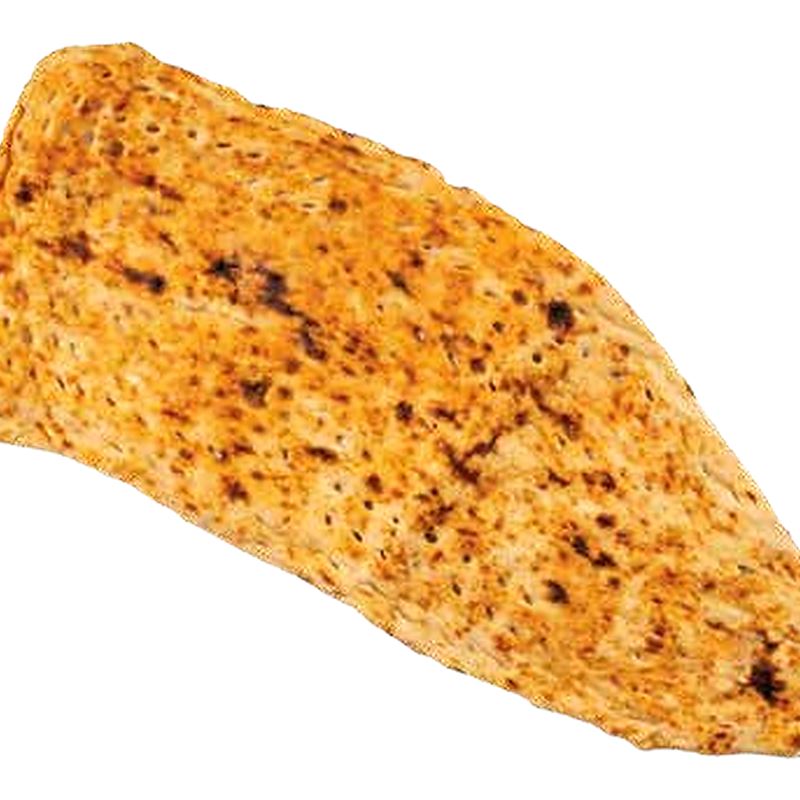
The last row is not harder than the rest — it is bigger. Ash reshteh, in our own words, has no tricky technique but is long and hands-on: the scale is the difficulty. Bastani asks for special ingredients and a couple of hours of stir-and-freeze babysitting, and faloodeh is beautiful but fiddly. Sangak is there for another reason: our bread guide says no home kitchen can fully match a stone oven.
| Where the work sits | What it asks of you | Dishes |
|---|---|---|
| Only the knife | No heat, no timing, no equipment | Mast-o-khiar, Shirazi salad, doogh, torshi |
| One watched minute | Stand at the pan; do not leave it | Ghormeh sabzi herbs, ash reshteh garnishes, zereshk polo barberries, jigar |
| The rice | Judge the parboil, steam low, build a crust | Chelo, tahdig, loobia polo, adas polo, zereshk polo |
| The hours | Start early, then leave the pot alone | Paye, dizi, tas kabab, fesenjan, gheime, adasi |
| Scale and shopping | Clear a day; find the ingredients or the oven first | Ash reshteh, bastani, faloodeh, sangak |
What if you would rather eat than cook tonight?
Then eat. Our kitchen at 64 Jumeira Street in Jumeirah 1 serves Tehran-style kalle pache, open 24 hours, seven days a week, and halal. What we cook is head and trotters — eye, brain, meat, tongue, tripe, lamb cheek and soup — with Sangak Bread, torshi and doogh beside them. No stews, no polo. Most of what is above we do not sell; we write it because it is worth knowing.
What we do cook, we cook all day and all night. See it on our menu and ordering page: delivery to 141 Dubai areas with the fee for yours shown at checkout, pickup, or a table with us. Anything the site does not answer, call 04 321 8882 and ask.
