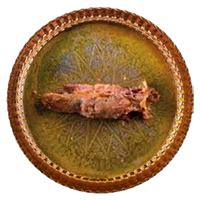
What is Persian offal and how is it eaten?
Persian offal is the edible head, feet and inner cuts of the lamb, cooked slowly into a rich dish called kalle pache (literally "head and trotters"). In Tehran it is a beloved dawn meal; across the Gulf and Iraq a close cousin is known as baja (الباجة). Rather than wasting any part of the animal, this is classic nose-to-tail eating: brain, tongue, cheek, eye, tripe and the trotters are hand-cleaned before dawn and simmered for hours until the broth turns the colour of strong tea. If the idea is new to you, this guide walks through each cut, how it tastes, and which one to try first.
Why lamb head and trotters became a tradition
Nothing was thrown away in traditional Persian kitchens, and the head and feet happen to be the most collagen-rich parts of the lamb. Long simmering melts that collagen into gelatin, giving kalle pache its silky broth and its reputation as a warming, restorative breakfast. At Shaun the Sheep in Jumeirah 1, the meat is hand-cleaned before dawn and simmered about 14 hours in a copper pot with onion, turmeric and garlic, skimmed hourly for a clean, clear broth. All lamb sold in the UAE is halal.
What does each Persian offal cut taste like?
Each part of the lamb offers a different texture and flavour, which is exactly what makes a shared platter fun. Here is a beginner-friendly breakdown.
Lamb brain (maghz)
Soft, creamy and almost custard-like, lamb brain is the mildest cut of all. It has a delicate, buttery flavour with no gaminess, often lifted with a squeeze of lemon. Many first-timers are surprised by how gentle it is.
Lamb tongue (zaban)
Lean, firm and meaty, tongue tastes like a tender, deeply savoury cut of muscle, because that is exactly what it is. Slow cooking makes it fork-tender while keeping a satisfying bite. It is one of the easiest cuts for newcomers.
Trotters and paye (feet)
Trotters, or paye, are prized for their gelatin. There is little meat here; instead you get soft, sticky, richly savoury morsels and, above all, a broth thickened to a silky body. This is the heart of the dish.
Tripe, cheek and eye
Tripe (stomach lining) is pleasantly chewy and soaks up the broth. Lamb cheek is meltingly tender, like a slow-braised stew meat, and a great gateway cut. The eye is the most adventurous choice, small, soft and traditionally shared among friends.
| Cut | Texture | Best for |
|---|---|---|
| Brain (maghz) | Soft, creamy, custard-like | Mild first taste with lemon |
| Tongue (zaban) | Firm, lean, meaty | Confident beginners |
| Lamb cheek | Meltingly tender | Anyone who likes braised meat |
| Trotters (paye) | Gelatinous, sticky, silky broth | Rich broth lovers |
| Tripe | Chewy, springy | Texture seekers |
| Eye | Small, soft | Adventurous eaters |
Which Persian offal should a beginner try first?
If it is your first time, start with lamb tongue or lamb cheek, both of which taste like familiar, tender meat with no surprises. Next, spoon a little of the trotter broth over warm sangak bread and add a small piece of brain. Balance the richness with our seven-year garlic pickles and a glass of cold, salted doogh. Our communal platters serve 1, 2, 3 or 6 people, so a group can taste a bit of everything, which is the friendliest way to meet the dish. You can order online for delivery across Dubai or reserve a table to try it fresh from the pot.
Is kalle pache good for you?
Because it is built from bones and trotters, kalle pache broth is naturally rich in collagen, gelatin, protein and minerals, and it has been traditionally valued as a restorative, warming meal. Many people find a bowl of the broth deeply comforting, especially early in the morning. We serve it the traditional way, so you can enjoy it as generations have.
How do you enjoy kalle pache like a local?
Locals treat kalle pache as a leisurely ritual, most often at dawn or late at night. Tear the sangak, layer on a little meat, spoon over the hot broth, and season at the table with lemon, salt and pickles to taste. Go slowly, share generously, and let the broth do the talking. Whether you dine in at our Jumeira Street home, pick up, or order for delivery, the pot is on 24 hours a day, 7 days a week.
