What is the difference between kalle pache and thareed?
If you grew up in the Gulf you already understand kalle pache better than you think: bread that drank a broth, shared from one dish.
Thareed is the Emirati dish of stewed meat and vegetables ladled over broken flatbread — thin regag or soft khameer, laid underneath to swell with the sauce. Kalle pache is the Persian dish of lamb head and trotters simmered from evening until dawn, until the broth turns silky and the meat slides off the bone. Both are patience dishes; they differ in cut, spice, bread and hour.
Which cuts of lamb go into each dish?
Thareed is built from muscle meat — shoulder or leg, sometimes chicken — cooked with potato, carrot or aubergine into one thick, dark stew.
Kalle pache is built entirely from what thareed leaves out: the head and the feet. At Shaun the Sheep these are separate items you order one by one, not a single pot — lamb cheek, tongue, trotters, brain, eye, head meat, tripe. Both come from households that used the whole animal.
Do kalle pache and thareed taste the same?
No, and that surprises people. Thareed carries the Gulf signature: bezar — cumin, coriander, turmeric, cinnamon, pepper — with dried lime, loomi, for that sour smoky depth under the tomato.
Kalle pache goes the opposite way. The broth is deliberately clean: lamb, water, onion, a stick of cinnamon, long hours. Seasoning happens at the table — lime over the bowl, raw garlic crushed in if you like it sharp. A palate used to bezar finds the first spoonful quiet, and the depth three spoons in.
| Thareed | Kalle pache | |
|---|---|---|
| Cut | Shoulder, leg, chicken | Head, cheek, tongue, trotters |
| Vegetables | Central | None in the broth |
| Spice | Bezar, dried lime | Cinnamon; lime and garlic at table |
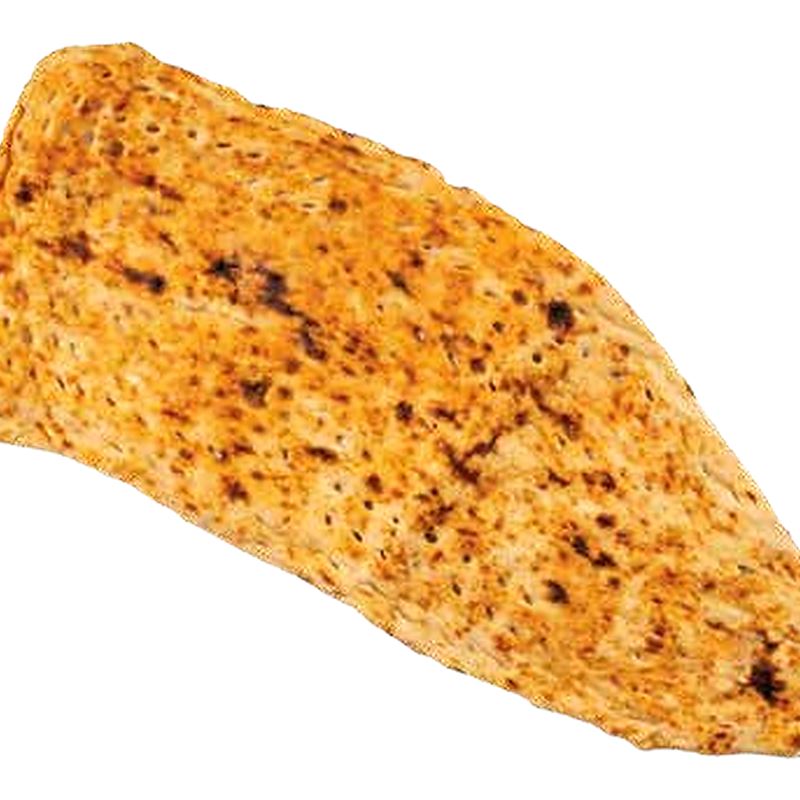
| Bread | Regag, soaked in | Sangak, dipped alongside |
| Hour | Evening | Dawn |
Is sangak the same as regag bread?
No. In thareed the bread is structural — it goes in first and becomes the body of the meal. Kalle pache keeps its bread separate and alive: sangak, Persian stone-baked wholemeal flatbread, blistered and chewy, comes on the side to tear and dip, and holds up long enough to carry broth. Our guide to Persian breads sets sangak beside the others.
What time of day do you eat kalle pache?
Thareed belongs to the evening — Ramadan tables and family nights. Kalle pache belongs to the other end of the clock: a dawn meal in Iran, eaten before work, in shops that open while the city is dark. Tradition treats it as warming and filling for a cold morning. Shaun the Sheep, 64 Jumeira Street, Jumeirah 1, is open twenty-four hours, seven days. All lamb is halal.
What should a Gulf diner order first?
Start with the Single Dish — cheek, one trotter, half a brain, half a bread — enough to learn which part you like. If the head cuts feel bold, try Brain Soup or plain Lamb Cheek, closest in texture to stewed meat you know. Then build the table: sangak for tearing, garlic torshi aged seven years to cut the richness, doogh cold against hot broth, a kettle of tea to finish.
For the Gulf's other slow-cooked classic, see our kalle pache and harees comparison; for the morning slot, kalle pache and balaleet. We serve kalle pache, not thareed — thareed deserves an Emirati kitchen. Dine in, collect, or order delivery across Dubai's areas; your area's fee is shown at checkout. Call 04 321 8882 to ask about a cut.
