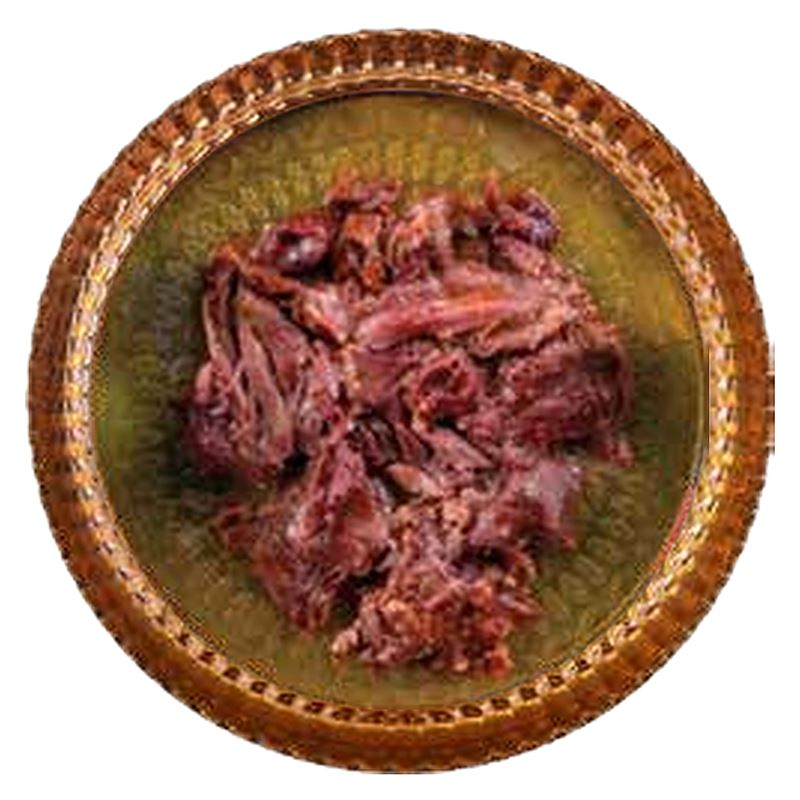
The short answer: a late-night shawarma is about speed, and a bowl of kalle pache is about substance. The wrap is in your hand within minutes, eaten standing up, and it is over almost as fast as it started. Kalle pache is slow-cooked broth, soft meat and warm bread that you sit down to — it takes longer to reach you and longer to eat, and it tends to leave you warm and settled rather than stuffed. Neither choice is wrong. The real question is what kind of night is in front of you.
Dubai asks this question more often than most cities. The night here runs on its own shift pattern: the long drive back from a desert wedding, the end of a double shift, a flight that landed at an unreasonable hour, the last quiet stretch before suhoor, or friends who simply refuse to go home. At Shaun the Sheep in Jumeirah 1 the kitchen is open 24 hours, every day, so we see the whole cast of the small hours — and we have opinions about which food belongs to which one.
What is actually different about these two foods?
Strip away habit and they are built on opposite principles.
The late-night wrap is fast food in the most literal sense. The meat has been cooking on a turning spit all evening, it is carved to order, wrapped tight with sauce and something crunchy, and it is engineered for speed at every step: cooked in advance, assembled in seconds, portable, one-handed, no cutlery, no table.
Kalle pache is the opposite discipline. It is a long, low, patient simmer that begins many hours before you are hungry. Time is the technique, not the waiting room. The broth draws everything out of bone and collagen until it is glossy and full-bodied, and the pieces that come with it — trotters, lamb cheek, tongue, brain, meat — are soft because they were given hours, not high heat. Nothing about it can be rushed on the night. It is either ready or it is not. If the dish itself is new to you, our explainer on what kalle pache actually is is the place to start.
So you are not really choosing between two dishes. You are choosing between a few minutes of fuel and a proper meal.
How does each one sit after a long night?
People describe this in almost identical words, whatever their background. The wrap lands fast and all at once. It is salty and rich, and it does its job immediately. Because it is eaten quickly and often standing, it is very easy to eat more than you intended and to notice that fact a little later.
A bowl of broth behaves differently, mostly because of pace. It is hot, so you cannot rush it. You tear bread, you spoon broth, you stop to add torshi, you talk, you go back for more. Warm liquid taken slowly registers as satisfying long before the bowl is empty, which is why many people finish a bowl of soup and simply feel done rather than defeated.
One honest note: that is a description of how food tends to feel, not a health claim. This is not medical advice — if you have any condition affected by rich food, cholesterol, gout or eating late, please ask your doctor.
Late-night shawarma vs kalle pache, side by side
| At 3am | Quick shawarma-style wrap | Bowl of kalle pache |
|---|---|---|
| Warmth | Warm in the hand, cools quickly once it is unwrapped | Hot broth that stays hot in the bowl and warms you from the inside out |
| Protein | Grilled meat, one texture, one note | Slow-cooked lamb in several forms — cheek, tongue, trotters, brain, meat — plus a collagen-rich broth |
| How it sits | Fast and rich; easy to overshoot because it is finished in a few minutes | Slow and steady; the pace of spooning broth does the portioning for you |
| Sharing | One wrap, one person | Built for a table: Single Dish, Double Dish, The Full Dish for three, or The Khan's Platter for six |
| How it reaches you | Minutes, usually straight over a counter | Paid online first, then the kitchen confirms and sets an estimated time you can follow on the site |
| Best for | Eating on the move, one hand, one person | Sitting down, the end of the night, a group, or the meal before dawn |
What does “heavy” actually mean in each case?
Both foods get called heavy, and the word means two different things.
With the quick wrap, heavy usually means fat plus speed. There is nothing wrong with the food itself, but the format encourages you to eat it faster than you can judge, often after a night when your judgement was already off duty.
With kalle pache, heavy means rich and dense. The broth is genuinely substantial — that is the point of it. The difference is that you control the size of the decision. Order Soup on its own, the abgoosht broth with a piece of sangak and nothing else, and you have a light, warm supper by any measure. Order The Full Dish and you have a feast. The category is not heavy; the order is.
Why does a slow-cooked broth feel different at 3am?
Because at 3am your body has no appetite for a project. Broth is warm, soft and asks nothing of you. There is no wrestling with a sandwich that falls apart at the second bite, no sauce down your shirt in a car.
Dubai adds a second reason. At that hour you have finally stepped out of hours of air conditioning, and the contrast between cold rooms and a humid night leaves most people oddly unsettled. Something genuinely hot resets you in a way that a cold drink never does.
Then there is the social part, which is half the dish. A wrap is a solo act. A bowl of kalle pache is a table: bread torn and passed around, someone insisting you try the tongue, the garlic torshi going back and forth, tea afterwards. At 3am, food that gives you a reason to sit down for forty more minutes is not a delay. It is the whole point of the night.
When is the quick grab genuinely the right call?
Often, and we would rather say so than pretend otherwise. Take the fast option when you are already out and moving; when you want to eat with one hand in a car, because kalle pache is emphatically not car food; when only one of you is hungry and nobody wants a table; when you have minutes rather than half an hour; and when you want something familiar and you are simply not in the mood to be adventurous.
That last one is real. Kalle pache is a committed dish. Brain is soft and mild, tongue is smooth and dense, trotters are sticky and rich, and none of that lands well when you are meeting it for the first time at the exhausted end of a night out. Try it once when you are curious and unhurried. After that it stops being adventurous and becomes the thing you crave at 3am.
What should you order if you are new to it?
Start narrow. The singles exist by the bowl exactly so that you can.
- Soup — the abgoosht broth on its own. The easiest, gentlest way in.
- Meat (goosht) — familiar territory, slow-cooked and soft.
- Trotters (pacheh) — rich, sticky, the classic reason people order at dawn.
- Lamb Cheek (bonagoosh) — the most tender single on the list.
- Tongue (zaban) — smooth and mild, better than its reputation.
- Brain (maghz) or Brain Soup — delicate and creamy for the curious.
- Eye (cheshm) and Tripe (sirabi) — for people who already know what they want.
- Special Mix (mojoon) — a bit of everything, best split between two.
Whatever you choose, add Sangak Bread or Special Sangak, and add torshi — Mixed Torshi or Garlic Torshi — because the sharpness is what keeps a rich bowl from becoming monotonous. To drink: doogh, fresh lemonade, or tea. Note that the Kettle of Tea is dine-in only, since it cannot travel. If you want more detail, our guide to choosing a single goes through them one by one.
How do you actually get a bowl at 3am in Dubai?
You order on the website — delivery, pickup or dine-in — and payment is secure online card payment at checkout, prepaid. Everything is settled before the kitchen starts cooking, which at that hour is a mercy. The full walkthrough is here: how to order online, step by step.
For delivery, choose your Dubai area from the list and drop a map pin. Both are required, and at 3am the pin is the part that matters: tower names blur, gate locations do not. Delivery is free on orders over AED 300, which is roughly where a group order lands anyway. Once payment goes through, the kitchen confirms and sets an estimated time, you can follow the order's progress on the site, and the rider calls when they arrive.
There is also a scheduled order option: pick a future time up to about two days ahead. That is the quiet trick for a dawn delivery — a bowl arriving before a very early shift, or timed for the last part of the night rather than ordered in the middle of it.
Delivery, pickup or a table before dawn?
Delivery wins when the night is over and nobody should be driving. Pickup wins when you are already nearby and want the shortest possible route between you and the bowl. Dine-in wins when the group is still talking, because broth is best the moment it is served and a table lets you order a kettle of tea afterwards. You can reserve a table for that, and if there are six of you, The Khan's Platter settles the argument for everyone: four lamb cheeks, eight trotters, two brains, three tongues, four eyes and five breads.
So which one tonight?
If the night is still moving, take the wrap. If the night is ending, take the bowl. One feeds you on the way somewhere; the other is the place you were going. When it is the second kind of night, the kitchen is awake — order a bowl and we will send it hot.
