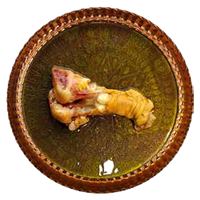
Kalle pache is the Persian name for a slow-cooked dish of whole lamb head and trotters, and it is the same tradition Iraqis and Gulf Arabs call baja (الباجة). The confusion is understandable: one comforting bowl of broth carries a different name in almost every kitchen from Tehran to Baghdad to Istanbul. This guide untangles the words so you know exactly what you are ordering.
What is the difference between kalle pache and paye?
In Persian, the dish name is a compound: kalle means head and pache (or paye) means the trotters, the lower legs of the lamb, and it is from that same word that the Iraqi name baja is drawn. So kalle pache is the full experience, head and feet together, while paye or pacheh on its own means just the trotters, prized for the silky, collagen-rich broth they give up over long cooking. If you love the gelatinous texture but not the richer head cuts, ordering paye alone is a classic choice.
What does baja (الباجة) mean, and is it the same food?
Yes. Baja, written الباجة in Arabic, is the Iraqi and Gulf name for the very same slow-cooked head-and-trotter dish. In Iraq a dawn bowl of baja is a beloved breakfast, often served with its own broth and bread. The word travels across the region, so an Emirati, Iraqi or Kuwaiti guest asking for baja and a Tehrani guest asking for kalle pache are, at heart, asking for the same pot.
Kalle pache, paye, baja: a names comparison table
| Name | Language / region | What it means |
|---|---|---|
| Kalle pache (کلهپاچه) | Persian / Iran | The whole dish: lamb head plus trotters |
| Paye / Pacheh (پاچه) | Persian / Iran | The trotters (lower legs) on their own |
| Baja (الباجة) | Arabic / Iraq & the Gulf | The same head-and-trotter dish, a classic breakfast |
| Kavare (كوارع) | Arabic / Levant & Gulf | Trotters, close to Persian paye |
| Kelle paca | Turkish / Turkey | Head-and-trotter soup, the Turkish cousin |
Why do the names change from country to country?
The dish is older than the borders around it. Along the old caravan and pilgrimage routes between Iran, Iraq, Anatolia and the Gulf, cooks shared the same thrifty, nourishing idea, using every part of the animal, and each language named it in its own words. The Turkish kelle paca and the Persian kalle pache are even built from nearly identical roots. What stays constant is the method: bones, head and feet simmered patiently until the broth turns rich and restorative.
What goes into an authentic Tehran-style kalle pache?
At Shaun the Sheep in Jumeirah, we keep to the Tehran way. Each cut is cleaned by hand before dawn, then simmered for about fourteen hours in a copper pot with onion, turmeric and garlic, skimmed every hour until the broth turns the colour of strong tea. The table spread includes brain (مخ), tongue (زبان), trotters (پاچه), tripe (سیرابی), eye, lamb cheek and a hearty brain soup, alongside warm sangak bread, garlic pickles aged seven years, and cold doogh. You can order a single portion or a communal platter for two, three or six.
How is kalle pache traditionally eaten and valued?
Traditionally, kalle pache is a dawn or breakfast food, eaten early with bread torn into the broth. Because it is drawn from bones and trotters, it is a classic collagen- and gelatin-rich broth, with protein and minerals, and many people across the region have long valued it as a warming, restorative meal in cold weather. This is traditional knowledge, not medical advice. We serve it the honest way, so you can enjoy the tradition on its own terms.
Where can I try baja or kalle pache in Dubai?
You will find us at 64 Jumeira Street, Jumeirah 1, open 24 hours, every day, because the best time for this dish has always been early. Whether you know it as baja, kalle pache or paye, you can order kalle pache online for delivery across Dubai or pickup, or reserve a table to dine in. Call us on 04 321 8882 if you would like help choosing between the head cuts, the trotters, or the Special Mix.
