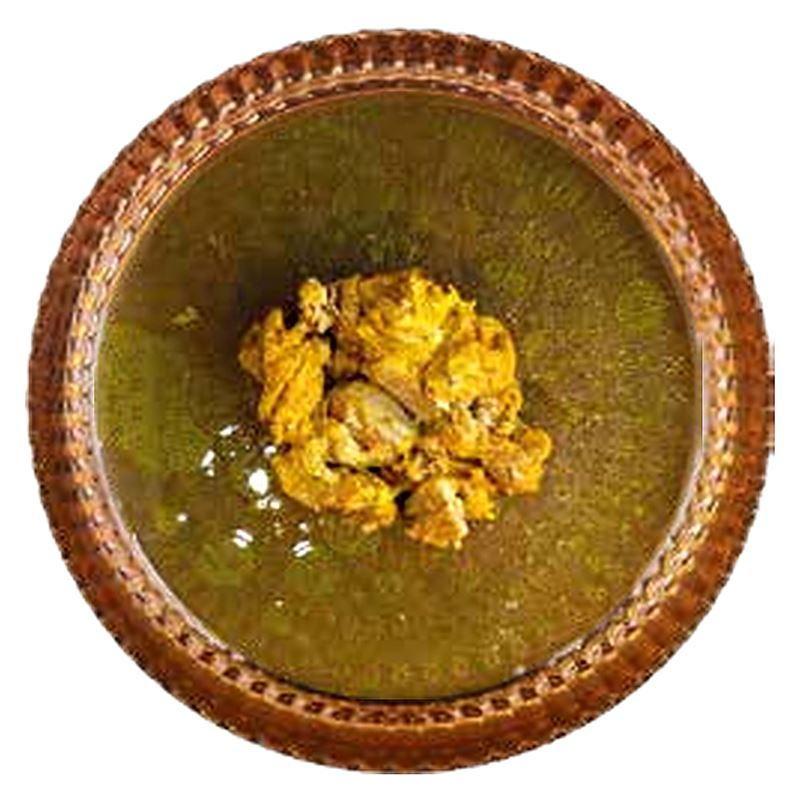
Why do so many kalle pache myths persist?
Few dishes are as loved and as misunderstood as kalle pache — the slow-simmered lamb head and trotters that Persians call کلهپاچه, that Gulf and Iraqi cooks know as baja (الباجة), and that everyone agrees is unforgettable. If you have ever wondered is kalle pache weird?, you are in good company. Most hesitation comes not from taste but from stories. So let us gently correct the most common misconceptions about Persian food, one myth at a time.
| The myth | The reality |
|---|---|
| It is only scary offal | Mild cuts and clear broth make an easy entry point |
| It is unhealthy, just fat | Collagen-rich comfort food; richness depends on the cut |
| It is hard or messy to eat | Bread, lemon and garlic pickle make it simple |
| It is only for old men | Broad modern appeal across ages and tables |
| It must be home-cooked | A 14-hour copper-pot method rivals any kitchen |
Myth 1: It is only scary offal
The word offal frightens people who picture the most dramatic cuts. In practice, kalle pache is a spectrum. You can begin with the plain broth (abgoosht), or gentle, meaty options like tongue (zaban) and the tender cheek meat (banagoosh). These taste clean, savoury and comforting — closer to a fine bone broth than anything alarming. Braver diners then explore brain (maghz), trotters (pacheh) and tripe. If you are still unsure, our guide on Persian comfort food for people not into offal is a kind place to start.
Myth 2: It is unhealthy, or just fat
This one deserves care. Kalle pache is a traditional comfort food, qualitatively rich in collagen, gelatin, protein and minerals from long, slow simmering. That is why generations have reached for it on cold mornings and at family gatherings. But richness is not fixed — it depends entirely on the cut and portion you choose. A clear broth eats light; a full mixed platter is heartier. We never quote calorie numbers, because they vary. This is culinary tradition, not medical advice — enjoy it as the warming, honest food it has always been.
Myth 3: It is hard or messy to eat
Eating kalle pache is simpler than it looks. Tear warm sangak bread, dip it into the broth, and layer on a little pulled meat. Add a squeeze of lemon to brighten, a bite of seven-year garlic pickle (torshi seer) to cut the richness, and a sip of cool doogh alongside. That is the whole ritual. First-timers can follow our menu and order page to build a plate, and see how the tradition works from the very first spoon.
Myth 4: It is only for old men, a niche crowd
Perhaps once. Today the tables tell a different story. Students arrive after late nights, families share communal platters that serve two, three or six, night-shift workers stop by at dawn, and curious travellers cross it off their Dubai food lists. Kalle pache has become a shared, sociable meal — warm, generous and made for company. Its appeal is broad precisely because comfort food never goes out of style.
Myth 5: It must be home-cooked
Many believe you can only get it right at home. We respectfully disagree. At Shaun the Sheep we simmer halal lamb for about 14 hours in a traditional copper pot with onion, turmeric and garlic, skimming hourly until the broth turns the colour of strong tea. That patience is hard to replicate on a busy morning. The result is restaurant-quality depth, available for dine-in, pickup or Dubai-wide delivery, 24 hours a day.
Ready to see for yourself?
The best way to retire a myth is to taste the reality. Visit us at 64 Jumeira Street in Jumeirah 1, Dubai, order through our menu and order page, or reserve a table for the family. However you were told to feel about kalle pache, we think one warm bowl will tell a better story.
