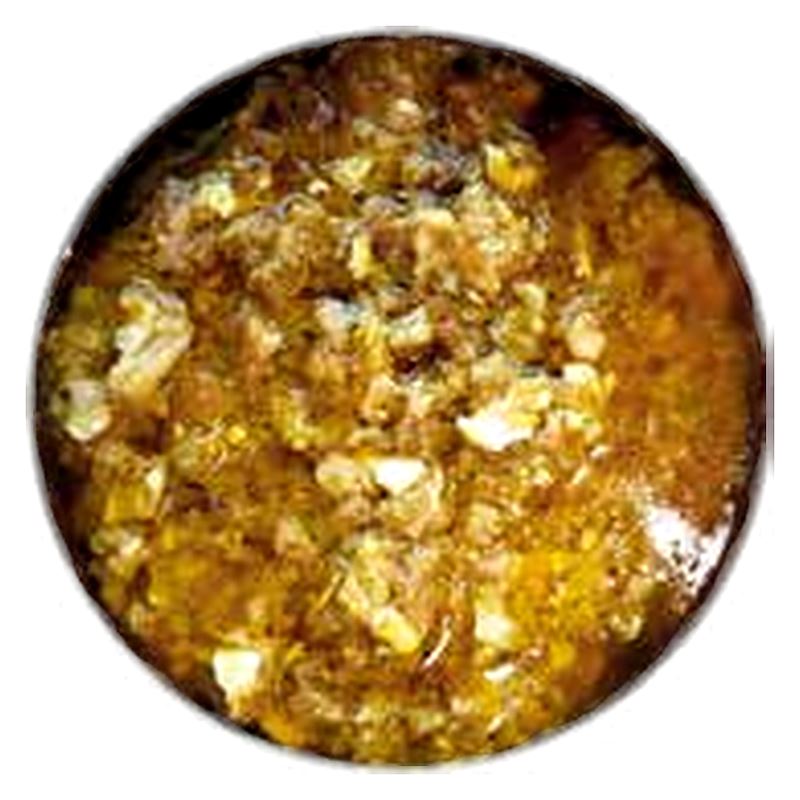
Are Persian kalle pache and Turkish kelle paça the same dish?
Persian kalle pache and Turkish kelle paça are cousins rather than twins. Both start from the same two humble cuts — a sheep's head and its trotters — cleaned by hand, simmered through the night until the collagen melts off the bone, and sold in specialist shops that open while the rest of the city is still asleep. Both are eaten with bread, both are treated as restorative food, and both carry the same quietly defiant pride: this is nose-to-tail cooking that never went out of fashion and never needed rediscovering.
Sit down in front of each, though, and the differences arrive within seconds — in the colour of the liquid, in what you are handed to season it with, and in whether the meat comes to you stirred into a bowl or laid out on a shared platter.
Where do the words kelle and paça actually come from?
Straight from Persian. Kalle means head and pache means trotter or lower leg, and Turkish borrowed both words along with centuries of shared vocabulary between the Persian and Ottoman worlds. The same dish family, often carrying a version of the same name, reappears across a wide arc of the map: pacha in Iraq and the Gulf, kelle paça in Azerbaijan and Turkey, khash in Armenia and Georgia, shkembe in the Balkans. What changed as the dish travelled was never the raw material — it was the seasoning logic of the kitchen that received it.
Why is Persian broth the colour of strong tea while Turkish paça stays pale?
Persian kalle pache is cooked as a clear broth, and cooks defend that clarity fiercely. At Shaun the Sheep the heads and trotters are hand-cleaned before dawn, then simmered for around fourteen hours in a copper pot with onion, turmeric and garlic, skimmed hour after hour so that nothing cloudy survives the night. The turmeric and the long simmer give the finished liquid its amber depth — the colour of strong tea — while the hourly skimming keeps it bright rather than muddy. You should be able to see the bottom of the spoon through it.
Turkish paça takes a different route. It generally gets little or no turmeric, so it stays a pale ivory, and many kitchens finish it with terbiye: a tempering of egg yolk and lemon juice, sometimes with a little flour or butter. That turns the soup opaque, velvety and gently tart. It is genuinely delicious, but it is a soup in the fullest sense — the meat is picked from the bone and stirred into the liquid, so the bowl arrives as one unified thing rather than as identifiable parts.
What is işkembe çorbası, and where does it fit in?
İşkembe çorbası is Turkey's celebrated tripe soup, and it is the dish most often mistaken for paça by visitors. It is milky white, thickened with a butter-and-flour base or with terbiye, and finished at the table with a slick of melted butter reddened by pul biber chilli flakes. In Istanbul the işkembeci is famously the last stop of a long night out.
Iranian cooking uses exactly the same cut — tripe is sirabi — but treats it completely differently: mild, tender, and served clear as one component among several on the kalle pache platter, never as a creamy standalone soup. If işkembe is what you love, sirabi is where you will feel at home; just expect it lighter and cleaner than you remember.
How is each one seasoned at the table?
This is where the two traditions separate most sharply, and it is the thing worth knowing before your first bowl.
In Turkey the table set is sharp: crushed garlic steeped in vinegar (sarımsaklı sirke), lemon wedges, chilli flakes, sometimes dried oregano or mint. You add acid and heat until the richness is cut back, and the vinegar does most of the work.
In Iran the table set is warm and aromatic: fresh lime, squeezed generously; a pinch of ground cinnamon; black pepper; and garlic that arrives pickled rather than raw — including seven-year garlic torshi, dark and mellow after years in vinegar. Cinnamon in a savoury lamb broth surprises almost every first-timer, but it is doing precise work: it rounds the fattiness and lifts the aroma without making anything taste sweet. Turkish seasoning cuts through the broth; Persian seasoning perfumes it.
Kalle pache vs kelle paça vs işkembe: what is the quick comparison?
| Feature | Persian kalle pache | Turkish kelle paça | Turkish işkembe |
|---|---|---|---|
| Main cuts | Head and trotters, served as separate parts | Head and trotters, shredded into the soup | Tripe only |
| Broth colour | Clear amber, colour of strong tea | Pale ivory, often opaque | Milky white |
| Thickening | None — clarity is the point | Often terbiye (egg yolk and lemon) | Roux and/or terbiye |
| Aromatics in the pot | Onion, turmeric, garlic | Onion, garlic, salt; little turmeric | Milk or cream base, garlic |
| Seasoned at the table with | Lime, cinnamon, black pepper, garlic pickle | Garlic vinegar, lemon, chilli flakes | Garlic vinegar, chilli butter |
| Bread | Sangak, torn into the broth | Crusty white bread | Crusty white bread |
| Usual drink | Doogh, then tea | Ayran or tea | Ayran |
| Format | Communal platter plus broth | Individual soup bowl | Individual soup bowl |
| Classic hour | Dawn breakfast | Early morning or after midnight | After midnight |
What is served alongside each one?
On the Persian table, sangak is not a side dish, it is a tool. The long, stone-baked flatbread is torn into the bowl so it swells with broth — that soaked bread is the heart of the meal, and many regulars order special sangak on top of the standard loaf. Around it sit mixed torshi and seven-year garlic pickle to cut the fat, cold salted doogh to drink through the meal, and hot tea afterwards to close it.
The Turkish table is simpler and more soup-shaped: plain crusty white bread for dipping, a glass of ayran, and the vinegar-and-chilli set within arm's reach. Pickles are far less central than they are in Iran, and there is no equivalent of the Persian bread-and-broth ritual.
When is each one eaten?
In Iran, kalle pache is dawn food. The kalle-pazi works overnight and is often sold out by mid-morning; the classic outing is a cold Friday morning with family, at a shared table, before the rest of the day begins. In Turkey the timing skews later — the paçacı and işkembeci shops are the traditional last stop after a night out, though many also serve as an early workers' breakfast.
Both are food for odd hours, which is exactly why our kitchen never closes. Shaun the Sheep is open 24 hours a day, seven days a week, so a 5am bowl and a 5pm bowl are equally correct here.
If you grew up on kelle paça, what should you order here?
Start with the Special Mix if you want the full picture in one plate. If you would rather build your own, order singles: brain (maghz), tongue (zaban), trotters (paye), lamb cheek (bonagoosh), meat, or tripe (sirabi). Brain soup and plain soup are the lighter entry points, and plain broth on its own is the closest thing to a Turkish paça çorbası you will find on our menu — just clearer and unthickened. Communal platters come sized for one, two, three or six people, which suits the Persian habit of eating this dish as a group.
Two small adjustments for a Turkish palate: reach for lime rather than vinegar, and try the cinnamon before deciding against it. And order extra sangak — you will use it.
Where can you eat Tehran-style kalle pache in Dubai?
Shaun the Sheep is a Tehran-style kalle pache house at 64 Jumeira Street, Jumeirah 1, open 24 hours a day, seven days a week. Our lamb is halal, in line with UAE law and standards, and the broth follows the method above: hand-cleaned before dawn, around fourteen hours in a copper pot, skimmed hourly. We deliver across Dubai, with the delivery fee set by area at checkout, and we also offer pickup and dine-in. Browse the menu and order page for current dishes and prices, or reserve a table if you are bringing a group for the full platter experience.
This article is about culinary tradition, not medical or nutritional advice. If you have a health condition affecting how you eat rich, fatty or high-cholesterol foods, please speak to your doctor.
