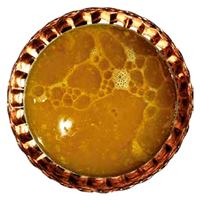
Kalle pache is Iran's great slow-simmered lamb broth, and it belongs in the same conversation as Japanese ramen and Vietnamese pho: three of the world's most beloved bone broths, each built on hours of patience, deep umami, and near-religious devotion. If you love pho or a bowl of rich tonkotsu ramen, kalle pache is the Persian classic you have not met yet.
What do kalle pache, ramen, and pho have in common?
All three are proof of the same simple truth: bones plus time equals magic. Each starts with animal bones and connective tissue, coaxed over many hours into a broth so rich it seems to have a memory of the fire. Each has a devoted following that argues about the "right" way to make it. And each is comfort in a bowl, ladled out to warm people from the inside.
The shared ingredients are patience and collagen. Slow simmering breaks bones and cartilage down into gelatin, giving every one of these broths its signature body and that lip-sticking richness. Where a quick soup is thin and bright, a long-simmered broth is deep, round, and savoury.
How is kalle pache different from ramen and pho?
Kalle pache goes further than almost any broth in the world: it uses the whole lamb head and trotters. The name says so plainly, from the Persian kalle (head) and pache (trotters). Where ramen extracts flavour from pork or chicken bones and pho leans on beef bones with charred aromatics, kalle pache is built from cheek, tongue, brain, and hoof, hand-cleaned before dawn and simmered around 14 hours in a copper pot with onion, turmeric, and garlic, skimmed hourly until the broth turns the colour of strong tea.
The other great difference is when you eat it. Ramen and pho are all-day, any-time meals. Kalle pache is traditionally a dawn food, eaten as breakfast, a restorative first thing on a cold morning. It is a ritual as much as a dish. Across the Gulf and Iraq the same tradition is known as baja (الباجة); in Iran the trotters alone are called paye.
How do kalle pache, pho, and ramen compare?
| Dish | Origin | Broth base | Traditionally eaten |
|---|---|---|---|
| Kalle pache | Iran (Tehran style) | Whole lamb head & trotters, onion, turmeric, garlic | Dawn / breakfast |
| Ramen (tonkotsu) | Japan | Pork bones, simmered to a cloudy richness | Any time, lunch or late night |
| Pho | Vietnam | Beef bones, charred onion & ginger, spices | Morning or any time |
Is kalle pache the "Persian ramen"?
It is a useful bridge if you are new to it, but kalle pache is its own thing. Ramen is finished with noodles, egg, and toppings; kalle pache is served with warm sangak bread for dipping, seven-year garlic pickles to cut the richness, and a glass of doogh, the salted yogurt drink. You tear the bread, spoon up the broth, and share from communal platters made for one, two, three, or six people. It is a table experience, not a solo bowl.
What does kalle pache taste like?
Think of the deepest, most savoury part of a beef pho or tonkotsu ramen, then make the whole bowl that intense. The broth is silky and gelatinous from the bones and trotters, gently perfumed with turmeric and garlic, and each cut, tender cheek, soft tongue, delicate brain, brings its own texture. It is rich, so most people pair it with fresh bread, pickles, and doogh to keep every spoonful lively.
Where can you try kalle pache in Dubai?
Shaun the Sheep (Kalle Pache) serves traditional Tehran-style kalle pache 24 hours a day at 64 Jumeira Street, Jumeirah 1. The lamb is halal, as all meat in the UAE is by law. You can dine in, pick up, or order delivery across Dubai, with the fee shown per area at checkout. Explore the full menu and order online, or book a table to gather friends around a shared platter. Traditionally valued as a restorative broth, it is collagen- and protein-rich; exact nutrition depends on the cut and portion you choose.
