What do Persian kalle pache and Mexican menudo have in common?
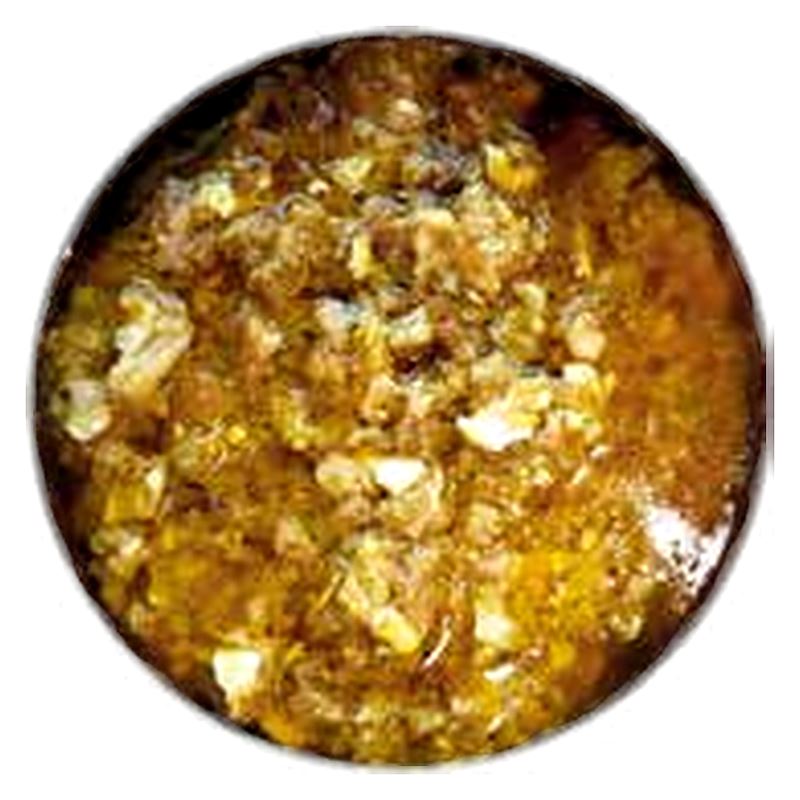
On opposite sides of the world, two pots have been simmering all night for the same reason. In Tehran it is kalle pache, a broth of lamb's head and trotters. In Mexico it is menudo, a red soup of beef tripe and hominy corn. Neither cook has ever met the other, yet they arrive at exactly the same table manners: a long, patient simmer that turns tough, humble, nose-to-tail cuts into something restorative; a squeeze of fresh lime at the last second; and a place in the culture as the food you eat early in the morning, often after a long night, when your body wants to be put back together.
This is not a contest. Both are among the great slow broths of the world, and each is perfect on its own terms. But setting them side by side shows how two kitchens, using different animals and different spices, answered the very same human question: what do you cook overnight to feed people at dawn?
What goes into each pot: lamb head and trotters vs beef tripe and hominy?
The raw material is where they first diverge. Persian kalle pache is built on a sheep's head and its trotters — the name itself is literal, kalle meaning head and pache meaning trotter. Cleaned by hand and simmered for around fourteen hours, those cuts give up brain (maghz), tongue (zaban), cheek (bonagoosh), meat (goosht) and the gelatin-rich trotters (paye). Tripe, called sirabi, appears here too, but only as one part among many.
Menudo starts from beef tripe — usually the honeycomb kind — and its signature partner is hominy, dried corn treated with lime (nixtamalized) until the kernels bloom soft and chewy. Many cooks add a beef foot or shank to draw out the same collagen a lamb trotter gives kalle pache. So the two dishes actually overlap on tripe and on gelatinous feet; where they part is the corn. Menudo carries its starch inside the bowl, in those plump hominy kernels. Kalle pache keeps its starch on the side, as bread.
Why is one broth amber and the other deep red?
Colour tells you the spice story at a glance. Persian broth is a clear amber, the shade of strong tea, and cooks defend that clarity fiercely: onion, garlic and a little turmeric go into the pot, the surface is skimmed hour after hour, and nothing is added to cloud it.
The best-known menudo — menudo rojo — is a deep brick red, coloured and flavoured by a paste of dried chiles such as guajillo and ancho, softened and blended into the broth. (In parts of northern Mexico, menudo blanco skips the chile and stays pale.) Where Persian cooking reaches for the warm, faintly sweet note of turmeric, Mexican cooking reaches for the earthy heat of dried chile — two completely different colours drawn from the same overnight patience.
How is each one seasoned and finished at the table?
Here the two traditions feel almost like siblings. Both are finished by the eater rather than the cook, and both put fresh lime at the centre of that ritual.
At a Persian table you add lime, a pinch of ground cinnamon, black pepper, and garlic that arrives pickled rather than raw — including the dark, mellow seven-year garlic torshi. Cinnamon in a savoury lamb broth surprises newcomers, but it rounds the fat and lifts the aroma without adding any sweetness.
At a Mexican table you add lime too, plus chopped raw white onion, dried oregano crushed between the fingers, and extra chile — flakes or ground piquín — for those who want more heat. Both cuisines, in other words, cut the richness of an offal broth with sharp lime; they simply perfume the rest of the bowl differently, one with cinnamon and pickle, the other with oregano and chile.
Kalle pache vs menudo: a side-by-side comparison
| Feature | Persian kalle pache | Mexican menudo |
|---|---|---|
| Animal | Lamb / sheep | Beef |
| Main cuts | Head and trotters, plus tripe (sirabi) | Tripe, plus a beef foot for body |
| Signature starch | Sangak bread, torn in at the table | Hominy corn, simmered in the pot |
| Broth colour | Clear amber (turmeric) | Deep red (dried chile) — or white in the north |
| Aromatics in the pot | Onion, turmeric, garlic | Dried chile, garlic, onion |
| Seasoned at the table with | Lime, cinnamon, black pepper, garlic pickle | Lime, raw onion, oregano, chile |
| Bread | Sangak | Corn tortillas or bolillo |
| Usual drink | Doogh, then tea | A cold agua fresca |
| Format | Communal platter plus broth | Individual bowl of soup |
| Classic hour | Dawn breakfast | Weekend morning, often Sunday |
| Reputation | Restorative morning meal | Restorative morning meal and hangover cure |
How do you eat each one: platter and sangak vs bowl and tortillas?
The shape of the meal differs. Kalle pache often arrives as a communal platter of distinct parts — brain, tongue, cheek, trotter, meat — with the clear broth alongside, and sangak, the long stone-baked flatbread, torn straight into the bowl until it swells with liquid. That soaked bread, and the shared plate, make it a group ritual; platters here come sized for one, two, three or six people.
Menudo is more straightforwardly a soup: a single deep bowl of tripe and hominy, garnished by each person to taste, mopped up with warm corn tortillas or a crusty bolillo roll. Different vessels, same instinct — bread or tortilla exists to carry the broth to your mouth and soak up the last of it.
Why are both eaten at dawn and as morning comfort?
This is the deepest thing the two share. In Iran, kalle pache is dawn food: the kalle-pazi works overnight and is often sold out by mid-morning, and the classic outing is a cold Friday morning with family before the day begins. In Mexico, menudo is the weekend-morning dish — cooked in huge pots on Saturday and Sunday, shared across the family table, and famous as the cura de la cruda, the cure for the morning after. Rich broth, gelatin, warmth and salt: both cultures independently decided this is what a tired body wants at first light.
Because both are food for odd hours, our kitchen never closes. Shaun the Sheep is open 24 hours a day, seven days a week, so a bowl at 5am and a bowl at 5pm are equally correct here.
Where can you eat Tehran-style kalle pache in Dubai?
We do not make menudo — for that you want a Mexican kitchen — but if the idea of a slow, restorative morning broth has your attention, Persian kalle pache is exactly that tradition. Shaun the Sheep is a Tehran-style kalle pache house at 64 Jumeira Street, Jumeirah 1, with halal lamb and broth simmered the long way: hand-cleaned, around fourteen hours in the pot, skimmed hourly. Start with the Special Mix for the full picture, or build your own from singles — brain, tongue, trotters, cheek, meat, eye (cheshm) or tripe (sirabi) — and add sangak, mixed torshi and seven-year garlic pickle on the side. If you would rather a thick, stewy bowl, try our abgoosht (dizi). Browse the menu and order page to order, or reserve a table if you are bringing a group for the full platter. We deliver across Dubai, with the fee set by area at checkout and delivery free over AED 300; payment is by secure card online, and we also offer pickup and dine-in.
This article celebrates two culinary traditions and is not medical or nutritional advice. If you have a health condition affecting how you eat rich, fatty or high-cholesterol foods, please speak to your doctor.
