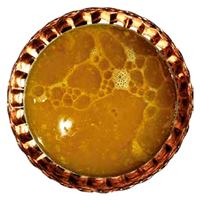
Kalle pache is a traditional Persian broth of slow-cooked lamb head and trotters, valued for generations as a warming, collagen-rich morning meal eaten at dawn. In Iran it is called kalle pache (کلهپاچه); across the Gulf and Iraq the same dish is known as baja (الباجة), while the trotters served on their own are paye (پاچه). At Shaun the Sheep in Jumeirah, Dubai, it is simmered the old way and served around the clock.
Why do Persians eat kalle pache for breakfast?
For centuries kalle pache has been a dawn food. Butchers and cooks began before sunrise, and by early morning the broth was ready for workers, travellers and families to eat before a long day. A warm, savoury, protein-heavy bowl at dawn is filling and slow to digest, which is exactly why it became a beloved winter and morning tradition rather than an evening meal. Eating it early, with fresh sangak bread, torshi and a glass of doogh, is part of the ritual.
What are the health benefits of kalle pache and paye soup?
The dish is traditionally valued because of what it is made from. Long simmering of bones and trotters draws out collagen and gelatin, the same compounds prized in modern bone broth. Alongside that, kalle pache is naturally high in protein and provides minerals from the meat and bones. Many people find a hot, rich broth comforting and restorative, especially in cold weather or when feeling run down.
- Collagen and gelatin from bones and trotters, released over long, slow cooking.
- Protein from lamb head, cheek, tongue and other cuts.
- Minerals naturally present in meat and bone.
- A warming broth traditionally eaten in winter and at dawn.
These are general points about a traditional food, not medical claims. Kalle pache is a nourishing meal enjoyed for taste and tradition, not a treatment for any illness.
Is bone broth really a source of collagen?
Yes. When bones, trotters and connective tissue simmer for many hours, collagen breaks down into gelatin and dissolves into the liquid. That is why a good kalle pache broth turns silky and, once cooled, can set like a light jelly. Our broth is cooked roughly 14 hours in a copper pot with onion, turmeric and garlic, and skimmed hourly until it takes on the colour of strong tea.
Which parts of kalle pache should I try first?
Newcomers often start gently and build up. The table below is a simple guide to the menu.
| Dish | Texture | Good for |
|---|---|---|
| Plain soup / broth | Light, savoury | First-timers |
| Trotters (paye) | Soft, gelatinous | Collagen lovers |
| Tongue | Tender, mild | Easy introduction |
| Brain | Creamy, delicate | Adventurous eaters |
| Special Mix | Everything together | Sharing a platter |
Communal platters serve one, two, three or six people, so a table can share and everyone can taste a little of each part. You can order kalle pache online for delivery across Dubai, pickup, or dine-in.
How is it traditionally eaten after illness or a cold night?
In Persian home tradition, a hot bowl of broth is often offered to someone recovering from a cold or a tiring winter, much as chicken soup is elsewhere. This is folk custom and comfort, not medicine: many people simply find the warmth and richness restorative. Served with sangak, seven-year-aged garlic torshi and doogh, it makes a complete, satisfying meal at any hour.
Where can I try authentic kalle pache in Dubai?
Shaun the Sheep Cafe and Restaurant is at 64 Jumeira Street, Jumeirah 1, open 24 hours, 7 days a week. Because we cook Tehran-style and never rush the pot, the dawn tradition is available whenever you want it, day or night. Reserve a table to dine in, or order online for delivery and pickup across Dubai.
