کلهپاچه را چطور تلفظ میکنیم؟
غذایی که بیسروصدا به وسواسِ خوشمزهٔ دبی تبدیل شده، نامی دارد که تازهواردها را میلغزاند — و این حیف است، چون گفتنش از آنچه بهنظر میرسد سادهتر است. یاد گرفتنِ تلفظ کلهپاچه حدود ده ثانیه وقت میبرد. آرام بگو: کَل-لِه پا-چه. دو واژه که هرکدام دو هجای نرم دارند، با اوجی ملایم روی نیمهٔ دوم. صداهای پایانی باز و گرماند، نه بریده. به فارسی «کلهپاچه» نوشته میشود، یعنی «سر و پاچه»، و همینکه یکیدو بار پشت پیشخوان به زبان بیاوری، انگار سالهاست مشتری بودهای.
نگران لهجهٔ بینقص نباش. هر پیشخدمت در یک کلهپزیِ تهرانیسبک هزاران تازهوارد را خوشامد گفته، و به «کلهپاچه، لطفاً»ی صمیمانه با لبخند پاسخ میدهند، نه با تصحیح.
هر واژهٔ منو یعنی چه؟
جادوی یک کلهپزی این است که غذا بخشبخش سرو میشود، پس دقیقاً همان چیزی را انتخاب میکنی که دلت میخواهد. فهمیدنِ معنی منوی کلهپاچه در واقع یاد گرفتنِ یک واژهنامهٔ کوتاه از بخشها و مخلفات است. این هم جدولی که بومیها از حفظاند.
| واژهٔ منو (تلفظ) | یعنی چه |
|---|---|
| زبان (za-BAAN) | زبان — لطیف، ملایم و برشخورده؛ یک بخشِ آغازینِ محبوب |
| مغز (maghz) | مغز — نرم و خامهای با بافتی ابریشمی |
| پاچه (pah-CHEH) | پاچه — غنی، ژلاتینی و عمیقاً خوشطعم |
| بناگوش (bana-GOOSH) | لُپِ گوسفند، بخشِ «گوشت و چربی» — آبشونده و پرمایه |
| سیرابی (si-raa-BEE) | سیرابی — ملایم و فنری، برای ماجراجوترها |
| چشم (cheshm) | چشم (دو عدد) — لذتی برای اهل ذوق |
| معجون (ma-JOON) | بشقاب «اسپشال میکس» — کمی از همهچیز |
| سنگک (san-GAK) | نان سنگک؛ نوع مخصوص با کنجد و سیاهدانه را بخواه |
| ترشی (tor-SHEE) | ترشی — سیرِ هفتساله (ترشی سیر) یا شیشهٔ مخلوط |
| دوغ (doogh) | نوشیدنیِ ماست با نعنا و نمک — خنک و کلاسیک |
در کنار اینها آبگوشتِ ساده (همان سوپ)، سوپِ مغز، گوشتِ ساده و قوریهای چای را میبینی. بشقابهای دستهجمعی برای یک، دو، سه یا شش نفر چیده میشوند، و درست به همین دلیل این غذا برای یک میزِ دوستانه اینقدر مناسب است.
اولین سفارشِ ملایم را چطور بدهیم؟
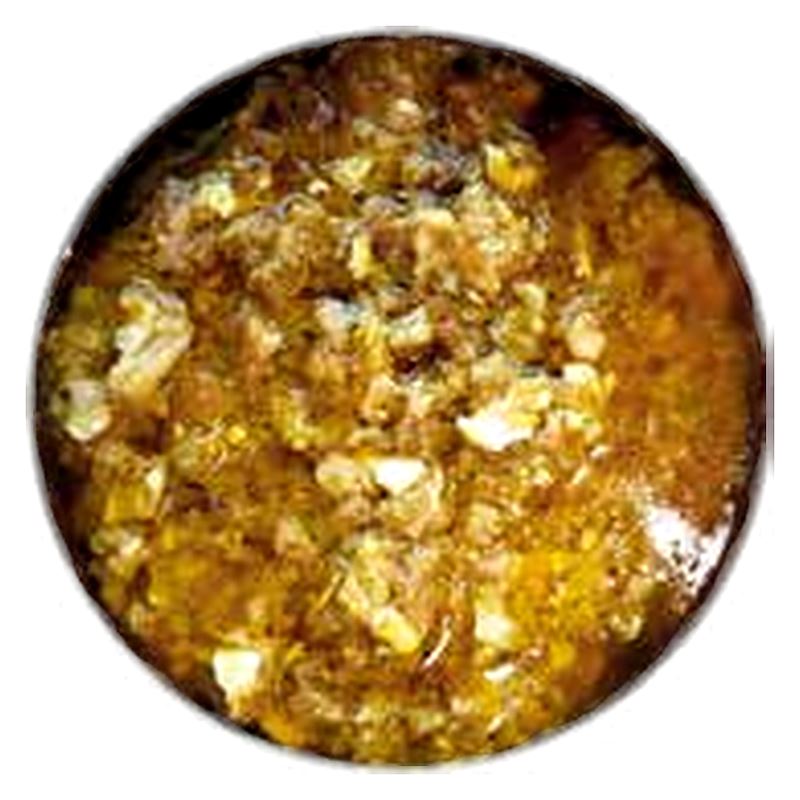
اگر بارِ اولت است، ساده نگهش دار و بگذار آبگوشت جلودار باشد. یک سفارشِ آغازینِ دلنشین این است: آبگوشتِ ساده، یک بخشِ سبک و سنگکِ گرم. اینطور بگو: «یک آبگوشت ساده، کمی زبان و سنگک، لطفاً.» آبگوشت — که حدود ۱۴ ساعت در دیگ مسی با پیاز و زردچوبه و سیر میجوشد تا به رنگِ چایِ پررنگ برسد — روحِ این وعده است، و زبان ملایمترین بخش برای شروع. نانِ گرم را پاره کن، در آبگوشت فرو ببر و آرام پیش برو.
هروقت آمادهٔ کشف بودی، معجون (اسپشال میکس) دوستِ توست: چند بافت را در یک بشقاب کنار هم میگذارد تا بیآنکه به یک پرسِ کامل از یک بخش متعهد شوی، محبوبت را پیدا کنی. اگر راهنمایی کاملتر برای آن نشستِ اول میخواهی، نوشتهٔ ما دربارهٔ چطور برای اولین بار کلهپاچه بخوریم دستت را میگیرد.
کنارش چه بنوشیم و چه بخوریم؟
سفرهٔ تهران ریتمِ خودش را دارد. یک لیوان دوغ چربی را میشکند؛ یک لقمه ترشی — بهویژه سیرِ ملایمِ هفتساله — کام را میان قاشقها تازه میکند؛ و چای وعده را میبندد. این سهگانه تزئین نیست، بخشی از طراحی است و آبگوشتِ عمیق را با تیزی، خنکی و گرما متعادل میکند.
کجا در دبی غذای ایرانی سفارش دهیم؟
وقتی میخواهی با اطمینان در دبی غذای ایرانی سفارش بدهی، شون د شیپ یک کلهپزیِ تهرانیسبک در خیابان جمیرا، شمارهٔ ۶۴، جمیرا ۱ است که ۲۴ ساعته و هفت روز هفته باز است. گوشت حلال است، همانطور که قانون و استانداردِ امارات ایجاب میکند. میتوانی در محل غذا بخوری، تحویل بگیری یا در سراسر دبی سفارش بدهی، با هزینهٔ ارسالی که هنگام پرداخت بر پایهٔ منطقه نمایش داده میشود. منو و صفحهٔ سفارش را ببین تا بشقابت را بچینی، یا برای یک جمع میز رزرو کن و سفرهای درستوحسابی را با هم قسمت کنید. نام را یکبار بگو، به یک بخش اشاره کن، و همین حالا یک بومی هستی.
این مقاله راهنمای فرهنگی و آشپزی است، نه توصیهٔ پزشکی یا تغذیهای.
