What is chelo, and why is it the base of every Persian meal?
Chelo is the tall, fluffy, separate-grained white rice that sits under almost every Persian stew — the plain but perfect base for khoresh, kababs and the rich broths of a Tehran breakfast. Unlike the one-pot kateh, chelo is made by a three-step method: you soak the rice, parboil it in plenty of salted water like pasta, drain it, then steam it back up so each grain swells long and stands apart. Done right, the rice is light, dry and elongated — never sticky — and a golden crust called tahdig forms at the bottom of the pot. It takes a little more attention than kateh, but the technique is completely learnable at home, and once you have it, every Persian dish you make will taste more authentic.
What ingredients and equipment do you need?
This makes a generous pot for four. The magic is mostly in the method, so the shopping list is short.
- 2 cups (about 400 g) aged long-grain basmati rice — aged rice fluffs up longer and drier than new-crop
- About 8 cups (2 litres) water for parboiling, plus more for rinsing and soaking
- 2 tablespoons salt for the boiling water (most of it drains away)
- 3 to 4 tablespoons butter, ghee or a neutral oil — or a mix — for the base and top
- Optional saffron finish: a pinch (about 1/4 teaspoon) ground saffron steeped in 2 tablespoons hot water
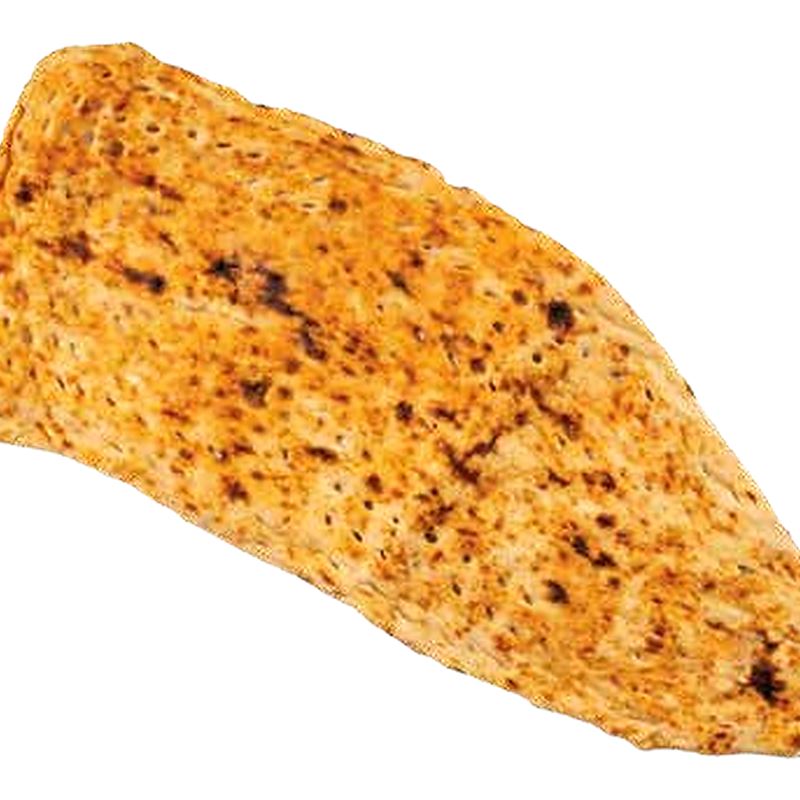
- Optional tahdig layer: a few thin potato slices, one thin flatbread, or 2 tablespoons of the rice mixed with a spoon of yogurt
For equipment you need a large pot for boiling, a fine-mesh sieve to drain, a heavy pot with a well-fitting lid for steaming (nonstick makes the tahdig release cleanly), and a clean tea towel — the damkoni — to wrap the lid and catch the steam.
How do you make fluffy chelo step by step?
- Rinse the rice in cold water four or five times, swirling gently, until the water runs clear. This removes surface starch that would otherwise make the grains clump.
- Soak the rinsed rice in plenty of cold water with a tablespoon of salt for at least 30 minutes, ideally 1 to 2 hours. Soaking lets the grains absorb water so they cook evenly and stretch long instead of breaking.
- Bring the 8 cups of water to a rolling boil in a large pot and add the 2 tablespoons of salt — it should taste as salty as the sea. Drain the soaked rice and tip it in.
- Parboil, uncovered, for about 5 to 8 minutes. Start testing early: lift out a grain and bite it. It is ready when the outside is soft but the very centre still has a firm, opaque bite — like al dente pasta. Do not let it cook through, or the finished rice will be mushy.
- Drain the rice at once into a fine sieve and rinse gently with a little lukewarm water to stop the cooking. It will still be firm; that is correct.
- Wipe the pot dry, return it to medium heat, and add 3 tablespoons of butter or oil with a splash of water. If you want a potato or bread tahdig, lay it in the fat now in a single layer.
- Spoon the drained rice back in loosely, building it into a gentle pyramid rather than packing it down — the mound leaves room for steam to move.
- Using the handle of a wooden spoon, poke four or five holes down through the rice to the base to let steam escape. Drizzle over the saffron water and, if you like, a little more melted butter.
- Wrap the lid tightly in a clean tea towel, fold the corners up over the handle so they stay off the flame, and set it firmly on the pot.
- Steam over medium heat for 8 to 10 minutes until you see and hear steam building, then turn the heat to its lowest setting and let it dam for 35 to 45 minutes. Do not lift the lid.
- To finish, sit the hot pot on a cold wet towel for a minute to loosen the crust. Fluff the rice gently onto a platter, then lift or invert the golden tahdig on top.
How do you get separate, elongated grains?
Three habits give you that long, fluffy, unstuck rice. First, rinse and soak: washing off starch stops the grains gluing together, and soaking lets them swell so they cook evenly and stretch rather than snap. Second, salt the water heavily and parboil only briefly — pulling the rice while the centre is still firm is the single most important step, because the grains finish cooking gently in the steam instead of overcooking in water. Third, steam loosely and never stir: piling the rice in a mound and leaving it alone lets each grain set separately. Use aged basmati if you can find it; new-crop rice holds more moisture and tends to clump. Handle the finished rice with a light hand — fold, do not mash.
How do you make a golden tahdig at the bottom?
Tahdig — literally the bottom of the pot — is the crisp golden crust that Persians quietly compete over. It comes from three things: enough fat in the base, a steady low heat during the long steam, and patience. For a plain rice tahdig, just make sure the base is well oiled and let the dam run the full time. For a more forgiving, showpiece crust, lay a single layer of thin potato slices, a round of thin flatbread, or a scoop of rice mixed with a spoon of yogurt and saffron across the oiled base before you add the rest. Listen near the end: a faint crackle means the crust is forming. If in doubt, another five minutes on low rarely hurts — and the cold-towel trick at the end helps it release in one proud piece.
How long does chelo take, and is it difficult?
Be honest with yourself about the clock. Between soaking, parboiling and the long steam, chelo needs roughly two hours from start to plate, though most of that is hands-off. It is more involved than kateh, but it is not hard — the only genuinely tricky moment is judging when to drain the parboiled rice, and a bite test removes the guesswork. Your first pot will taste wonderful even if the tahdig is uneven, and by your third you will be turning out restaurant-tall rice with a crust worth fighting over.
What do you eat with Persian chelo in Dubai?
Chelo is a base, not a meal on its own — it is built to carry something rich. Classic partners are a saucy khoresh stew, grilled kabab, or a bowl of deep, slow-cooked broth. If you would rather not spend the morning on a 14-hour pot of broth, we simmer Tehran-style kalle pache and a hearty abgoosht (dizi) fresh every day and are open 24 hours. Note that kalle pache is traditionally eaten not with rice but with warm sangak for dipping, sharp torshi and seven-year garlic pickle to cut the richness, and a glass of cold doogh — all of which you can add from the menu and order page for delivery across Dubai, pickup or dine-in. Cook your chelo at home and let us handle the long broth, or reserve a table and make a proper morning of it.
