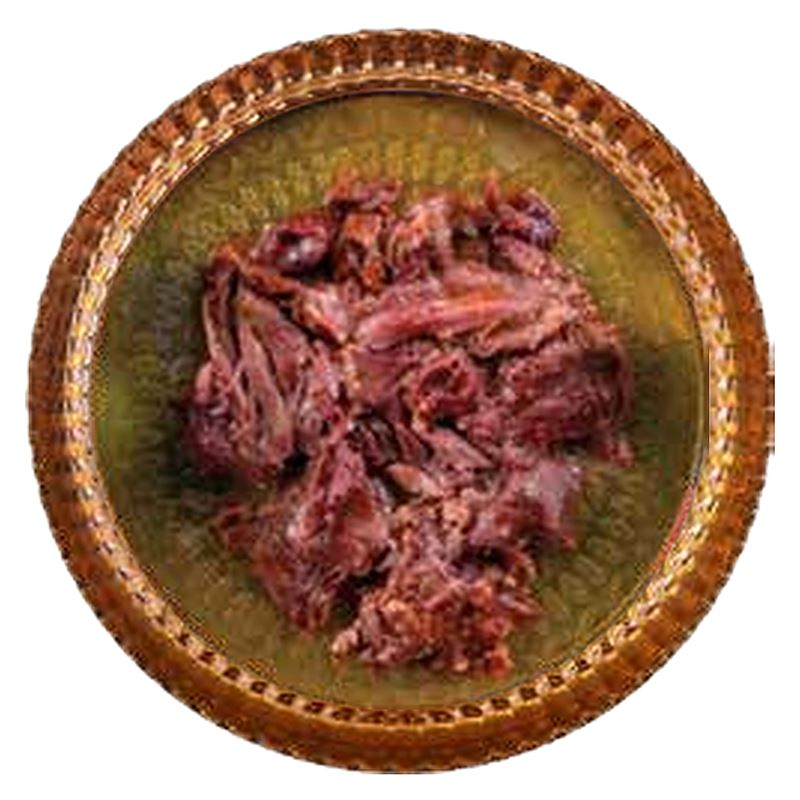
What is haleem, and why is it a winter and Ramadan breakfast?
Haleem (Persian: حلیم) is a thick, savoury porridge of shelled wheat slow-cooked with meat until the two melt into one smooth, stretchy, cream-coloured paste. It is one of Iran's great cold-weather breakfasts: warming, filling and deeply satisfying, which is exactly why it appears on winter mornings and, above all, during Ramadan, when a bowl at suhoor has to carry you through a fasting day. In Iran you will find haleem sellers ladling it out at dawn from huge pots, finishing each bowl to order with melted butter and a dusting of cinnamon and sugar. The magic is in the texture: cooked and beaten long enough, the meat fibres and the wheat dissolve together into something you can almost pull into threads.
Is haleem hard to make at home?
Let us be honest: haleem is not a weeknight dish. It is not technically difficult — there are no tricky techniques — but it demands time and a little muscle. You need to soak the wheat overnight, simmer the meat until it falls apart, then cook the two together for several hours, stirring often so the bottom does not catch. The final stage is the real work: you beat the mixture hard until the meat shreds completely and the porridge turns glossy and stringy. Traditionally this is done with a wooden pounder (goosht-koob); at home, an immersion (stick) blender does the job in minutes and is the single biggest shortcut. Set aside the best part of a day, or start the night before, and you will be fine. The equipment is simple: one large, heavy-bottomed pot, a long spoon, and either that stick blender or a sturdy masher and some patience.
What ingredients do you need for haleem?
This makes a generous pot for four to six people. The classic proteins are lamb or turkey — both traditional in Iran — so use whichever you prefer. The lamb should be halal.
- 2 cups (about 400 g) shelled/pearled wheat (gandom-e haleem), soaked overnight
- 500–600 g boneless lamb (shoulder or shank) or turkey (thigh or breast)
- 1 large onion, peeled and left whole or halved
- About 10 cups (2.5 litres) water, plus more hot water as needed
- 1.5 teaspoons salt, plus more to taste
- Optional: 1/2 cup rolled oats or pearl barley, for extra creaminess
- Optional: 1/2 teaspoon turmeric, cooked with the meat
To finish and serve:
- 3–4 tablespoons butter, melted
- Ground cinnamon
- Sugar (for the sweet version) or extra salt (for the savoury version)
How do you make haleem step by step?
- The night before, rinse the wheat and soak it in plenty of cold water. Leave it at least 8 hours, or overnight; this softens the grain so it will break down.
- Put the meat, the whole onion and the optional turmeric in your large pot, cover generously with water, bring to a boil and skim off the foam. Lower the heat and simmer, partly covered, until the meat is completely tender and falling apart — about 1.5 to 2 hours for lamb, a little less for turkey.
- Lift out the meat, discard the onion and keep the cooking broth. Remove any bones and shred the meat roughly.
- Drain the soaked wheat and add it to the pot with the broth, topping up with hot water so the wheat is well covered. Bring back to a gentle boil, then simmer, stirring every 15–20 minutes so nothing sticks, until the wheat is very soft and starting to break down — about 2 hours. Add hot water whenever it looks too thick.
- Return the shredded meat to the pot, add the salt (and the optional oats or barley) and cook together for another hour, stirring more often now.
- Now the beating. Using an immersion blender, blend the mixture right in the pot until it is smooth, glossy and stringy — the meat should disappear into the wheat. By hand, pound and beat with a wooden masher for 20–30 minutes until you reach the same silky, elastic texture.
- Adjust the consistency: finished haleem should be thick but pourable, like a loose porridge. Loosen it with a splash of hot water or tighten it with a few more minutes on the heat. Taste and add salt.
- Ladle into bowls, make a well in the middle and pour in the melted butter. Finish sweet with cinnamon and sugar, or savoury with a little more salt and cinnamon. Serve hot.
Sweet or savoury: how should you top haleem?
This is the great haleem debate, and both camps are right. The sweet version — melted butter, a generous dusting of cinnamon and a spoon of sugar — is the most common street-style finish in Iran, and the warm, spiced sweetness against the savoury wheat is genuinely lovely at breakfast. The savoury version keeps the sugar out: just melted butter, salt and a little cinnamon, letting the meaty depth come forward. Many families put both the sugar and a salt shaker on the table and let everyone finish their own bowl. If you have never tried it, start with a modest amount of each and adjust — the melted butter, though, is non-negotiable.
Prefer a slow-cooked breakfast without the all-day job?
Haleem and our own speciality share the same soul: a warm, slow-cooked, meaty breakfast eaten at dawn on a cold morning. We do not make haleem, but if you love that daypart and that comfort, kalle pache — Tehran-style slow-simmered lamb head and trotters — is its close cousin, and we cook it the traditional way around the clock. For something heartier and more stew-like, our abgoosht (dizi) is a slow-cooked pot of lamb, chickpeas and beans that you mash and eat with bread. Both go beautifully with warm sangak, sharp torshi and seven-year garlic pickle, and a glass of doogh. Browse it all on the menu and order page — we deliver across Dubai (free over AED 300) and are open 24 hours for pickup and dine-in — or reserve a table and make a proper morning of it. Cook the haleem at home when you have the day; let us handle the dawn broth when you do not.
