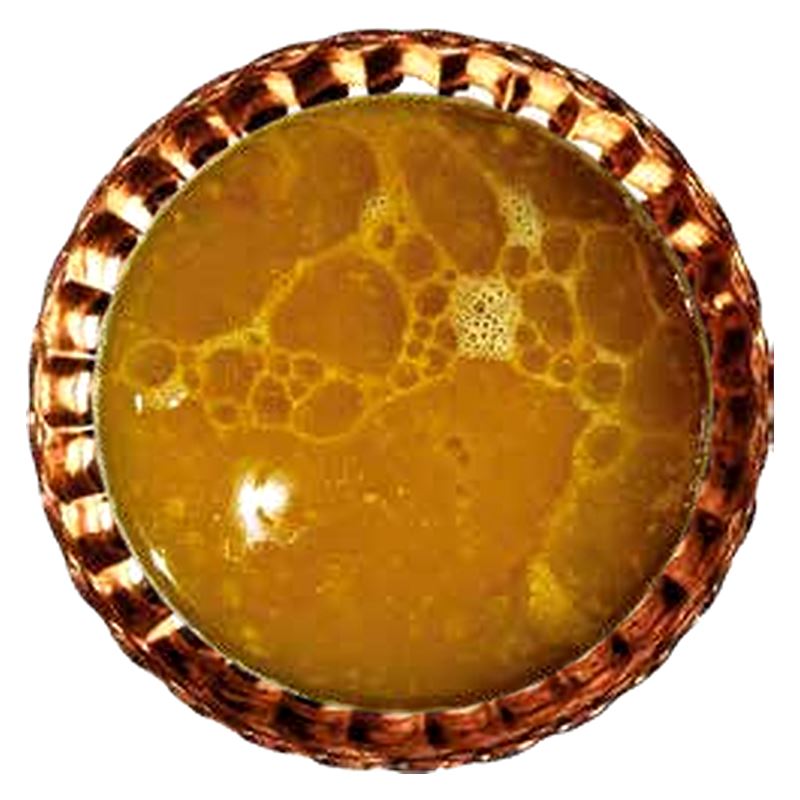
What is adasi, and why do Iranians eat lentils for breakfast?
Adasi (Persian: عدسی) is a thick, savoury lentil pottage that Iranians eat at breakfast, especially on cold mornings. It belongs to the same dawn world as kalle pache and haleem — the hearty, protein-rich dishes that street vendors ladle out before sunrise in Iranian cities in winter. Where kalle pache is slow-cooked lamb and haleem is wheat and meat pounded to a cream, adasi is the humble, vegetarian member of the family: brown lentils simmered with onion, garlic and turmeric until they collapse into a warm, spoonable porridge. It is cheap, filling and deeply comforting, and it sets you up for a long, cold day. Eaten with warm sangak bread and a few classic toppings, a bowl of adasi is one of the most satisfying breakfasts in Persian cooking — and one of the easiest to make at home. If you want to see how it stacks up against the other dawn dishes, Persian breakfast dishes compared lines four of them up by heaviness and by which morning each one suits.
Is adasi hard to make, and what equipment do you need?
Adasi is genuinely easy — it is the kind of dish an Iranian student makes in a dorm room. There is no special technique and no special kit: one heavy pot, a spoon and a stove are enough. The only thing it asks of you is a little time, because the lentils need to simmer until they break down completely, which takes about 45 minutes to an hour on the stovetop. Most of that is hands-off; you stir occasionally and top up the water. If you own a pressure cooker or an electric multicooker, you can cut the cooking time to around 15 to 20 minutes. Brown or green lentils do not strictly need soaking, but an hour's soak (or overnight) softens them and shortens the simmer. Be honest with yourself about expectations: this is a beginner recipe with a forgiving margin, and the main way to go wrong is under-cooking — so give the lentils long enough to turn soft and creamy.
What ingredients do you need for adasi?
This makes a hearty breakfast for about four people.
- 2 cups (about 400 g) brown or green lentils, rinsed
- 6 to 7 cups (about 1.5 litres) water or light vegetable stock, plus more as needed
- 1 large onion, finely chopped
- 4 to 5 cloves garlic, minced
- 3 tablespoons oil or butter
- 1 teaspoon ground turmeric
- 1 teaspoon ground cumin (optional but traditional in many homes)
- 1 to 1.5 teaspoons salt, to taste
- 1/2 teaspoon black pepper
- A pinch of cinnamon (optional)
- To serve: warm sangak bread, date syrup (shireh khorma) or fresh lime wedges, ground golpar (Persian hogweed), and extra fried onion and garlic
How do you make adasi step by step?
- Rinse the lentils in a sieve under cold water until it runs clear, and pick out any stones or grit. If you have time, soak them for an hour to speed the cooking.
- In a heavy pot, heat 2 tablespoons of the oil or butter over medium heat and fry the chopped onion, stirring, until soft and deep golden — about 8 to 10 minutes. This browning is where most of the flavour comes from, so do not rush it.
- Add the minced garlic and the turmeric (and cumin, if using) and stir for another minute until fragrant.
- Tip in the drained lentils and stir to coat them in the spiced onion.
- Pour in the water or stock, bring to a boil, then lower to a gentle simmer. Cook uncovered or partly covered for 45 minutes to an hour, stirring now and then and adding hot water if it gets too thick, until the lentils are completely soft and starting to fall apart.
- Once the lentils are tender, mash some of them against the side of the pot with the back of your spoon — or give it a few pulses with a hand blender — to reach a thick, creamy pottage. Leave some lentils whole for texture; adasi should be spoonable, not soupy.
- Season with the salt, pepper and optional cinnamon, and simmer for a final 5 minutes so the flavours settle. Taste and adjust.
- For the finishing touch, fry the remaining tablespoon of oil or butter with a little extra sliced garlic (and a spoon of fried onion) until golden, and pour this sizzling dagh over the top just before serving.
How is adasi traditionally served?
Adasi is all about the toppings, and this is where personal taste comes in. The one constant is bread: a bowl of adasi is scooped up with torn pieces of warm sangak, the Persian stone-baked flatbread, rather than eaten with rice. From there, Iranians split into two camps. Some like it sweet-savoury, drizzled with date syrup (shireh khorma) or grape syrup, which balances the earthy lentils beautifully. Others prefer it sharp, with a good squeeze of fresh lime and a dusting of golpar (ground Persian hogweed), the same tangy, aromatic powder that goes on broad beans and pomegranate. A final swirl of fried onion and garlic on top, and a glass of hot tea on the side, complete the classic dawn breakfast. Torshi (Persian pickles) and a cup of doogh are common companions too, especially if you are turning it into a bigger spread.
Where does adasi fit in the Persian dawn table?
In Iran, adasi rarely stands alone. It is part of a whole dawn ritual of warming, restorative dishes — the same tables that carry kalle pache and haleem in the small hours of a winter morning. We do not make adasi at Shaun the Sheep, but we do cook the dishes it grew up beside: proper Tehran-style kalle pache, a rich abgoosht (dizi), and the very sides that finish a bowl of adasi — freshly baked sangak, mixed torshi, seven-year garlic pickle, tea and doogh. So make the adasi at home for a cosy weekend breakfast, and let us handle the long, slow lamb: order the sangak and everything else from the menu and order page for delivery across Dubai, pickup or dine-in, open 24 hours. Or bring the family and reserve a table for a full Persian dawn feast without the fourteen-hour simmer.
