What is gheime (gheymeh), and why is it a Muharram staple?
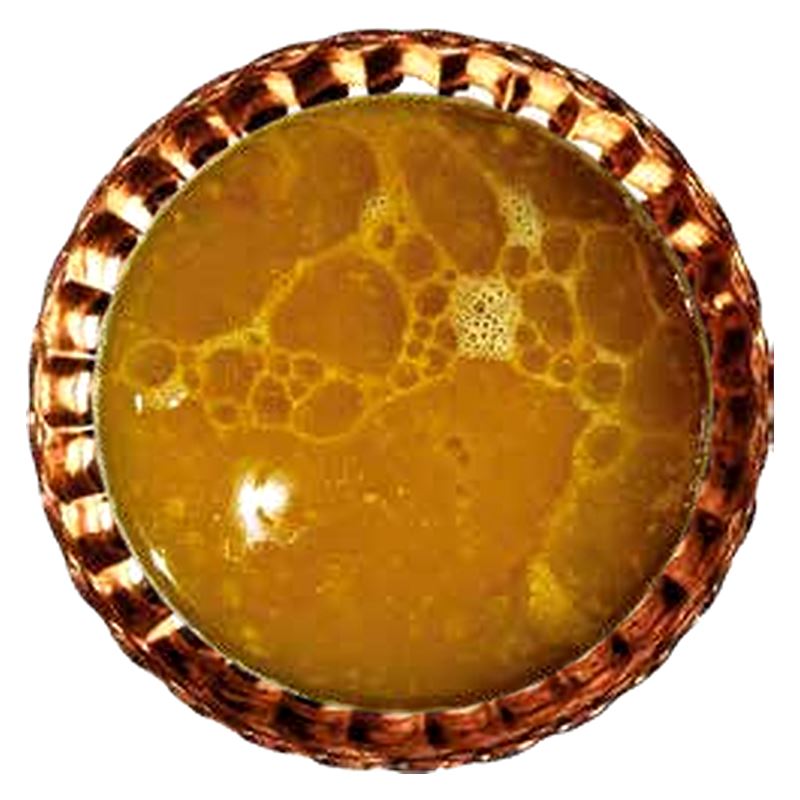
Gheime — spelled gheymeh and written قیمه in Persian — is one of Iran's most beloved everyday stews (khoresh). It is built on just a handful of humble ingredients: yellow split peas, small cubes of lamb, onion, tomato paste and dried lime, gently simmered until the sauce turns glossy and deep red. What lifts it from simple to special is the crown of crisp shoestring potatoes (sib zamini sorkh-kardeh) scattered over the top just before serving. Beyond the family table, gheime carries real cultural weight: it is the classic nazri (votive) dish cooked in enormous pots and shared with neighbours during Muharram, especially around Tasua and Ashura. Making it at home is very achievable — this guide gives you the honest method, correct quantities, and the one skill that separates a good gheime from a mediocre one: keeping the split peas whole.
What ingredients do you need to make gheime?
This recipe serves four to five over rice. Two ingredients are non-negotiable for authentic flavour: dried lime (limoo amani) for the savoury-sour backbone, and good tomato paste fried properly for colour and depth.
- 500 g lamb, cut into small 2 cm cubes — shoulder or leg (halal); beef stewing cuts also work
- 1 cup (about 200 g) yellow split peas (lappeh)
- 2 large onions, finely chopped
- 3 tbsp tomato paste
- 4 dried limes (limoo amani), pierced with a fork — plus 1 tsp dried-lime powder if you have it
- 1 tsp turmeric
- 1/2 tsp ground cinnamon or Persian advieh (optional but traditional)
- 4 tbsp cooking oil, plus more for frying the potatoes
- Salt and black pepper to taste
- About 3 cups (750 ml) hot water
- 3 medium potatoes for the crispy topping
- Optional: a pinch of saffron, bloomed in 2 tbsp hot water
How do you make gheime step by step?
- Rinse the split peas, then par-boil them separately in unsalted water for about 12 to 15 minutes, until barely tender but still holding their shape. Drain and set aside — this is the single most important step for texture.
- In a heavy pot, fry the chopped onion in the oil over medium heat until soft and golden. Stir in the turmeric for thirty seconds.
- Add the lamb cubes and brown them on all sides until they lose their raw colour.
- Push the meat aside, add the tomato paste to the hot oil, and fry it for two to three minutes until it darkens and smells sweet — this removes the raw, sour edge and gives gheime its deep red colour.
- Pour in about 3 cups of hot water and add the pierced dried limes. Bring to a boil, skim off any foam, then cover and simmer gently for about 45 minutes, until the meat is nearly tender.
- Add the par-cooked split peas, the cinnamon or advieh, and the bloomed saffron. Now — not before — season with salt and pepper.
- Simmer uncovered for another 20 to 30 minutes, until the meat is fully tender, the split peas are soft but intact, and a layer of oil rises to the surface (Persians call this roghan andakhtan — the sign a khoresh is done).
- Taste and adjust: it should be gently sour, savoury and slightly loose, not thick like a paste. If a dried lime has turned bitter, lift it out.
How do you keep the split peas from turning mushy?
This is the question that decides whether your gheime looks like the real thing. Split peas (lappeh) are delicate and will collapse into a grey mush if you mistreat them. Follow these rules:
- Par-boil them separately and add them to the stew only in the last half hour, so they finish cooking gently in the sauce rather than boiling to pieces.
- Salt late. Add salt only after the split peas go in — salting the water early can toughen the skins on one hand and, with long boiling, break them down on the other; adding it late gives the best balance.
- Don't over-stir. Once the peas are in, stir gently and rarely. Aggressive stirring is what mashes them.
- Use fresh split peas. Old, long-stored peas cook unevenly — some stay hard while others disintegrate.
How long does gheime take, and is it difficult?
Gheime is one of the more forgiving Persian stews — no overnight soak, no tricky technique. Budget about 20 minutes of hands-on prep and roughly 1.5 hours of mostly-unattended simmering, plus 15 minutes to fry the potatoes. The equipment is basic: one heavy pot, a small saucepan for par-boiling the peas, and a frying pan. The only genuine skill is timing the split peas so they stay whole, and frying the potatoes until truly crisp. Get those two right and the rest looks after itself.
How do you make the crispy shoestring fries on top?
The fried-potato crown (sib zamini sorkh-kardeh) is not optional in a proper gheime — it is the signature. Peel the potatoes and cut them into thin matchsticks, no thicker than a pencil lead. Soak them in cold water for ten minutes to rinse off surface starch, then dry them thoroughly on a towel — wet potatoes will never crisp. Fry them in hot oil in small batches until golden and crunchy, then drain on paper. Scatter them generously over the stew at the very last moment, once it is already plated over rice, so they stay crisp. Some cooks fold a few into the stew as well, but the ones on top are the point.
Want a slow-cooked Tehran meal without the wait?
Gheime is weeknight-friendly, but plenty of Persian classics ask for the better part of a day at the stove. When you want that deep, slow-cooked Tehran flavour without the hours, our Jumeirah kitchen has you covered. We are a Tehran-style kalle pache specialist, and we also cook a fresh abgoosht (dizi) daily, served with sangak, mixed torshi and seven-year garlic pickle. Browse the menu and order page for delivery across Dubai — free over AED 300, open 24/7 — or reserve a table in Jumeirah 1. Cook gheime at home tonight; let us handle the fourteen-hour classics whenever the craving hits.
