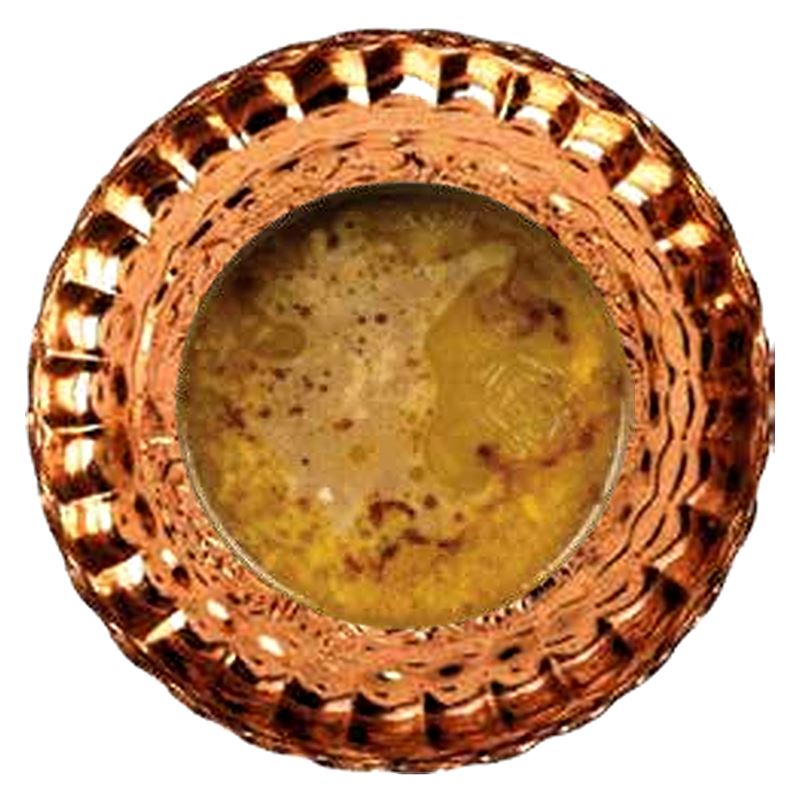
What is eshkeneh, and why do Iranians call it grandmother's soup?
Eshkeneh (اشکنه) is one of the oldest and most frugal soups in Persian cooking. Long before saffron stews and layered rice, home cooks across Iran were stretching a few onions, some turmeric and a handful of dried herbs into a warm, nourishing pot. That humble history is why it is so often called grandmother's soup: it was made from whatever was in the pantry on a cold night, and it fed a whole family for almost nothing. Today it is winter comfort food — thin, golden, gently sour and finished with soft ribbons of egg — the kind of thing you crave when it is raining and you want something warm in about fifteen minutes of real work.
What ingredients do you need for authentic eshkeneh?
The classic version rests on four pillars: slowly caramelised onions, turmeric, dried fenugreek (shanbalileh) and beaten egg. Everything else is a regional flourish. This makes enough for four bowls.
- 3 large onions, halved and very thinly sliced
- 3 tablespoons oil or butter (butter gives a rounder flavour)
- 1 teaspoon turmeric
- 1 to 2 tablespoons dried fenugreek leaves (shanbalileh), crushed
- 1 tablespoon plain flour, optional, to thicken
- 1.2 to 1.5 litres water or a light chicken or vegetable broth
- 2 eggs, well beaten
- Salt and black pepper to taste
- 1 to 2 tablespoons lime juice, verjuice (abghureh) or a teaspoon of dried-lime powder for sourness
- Optional: 3 tablespoons crushed walnuts, a handful of dried plums, or a spoon of pomegranate molasses (see the variations)
- To serve: torn sangak or lavash bread, and a pinch of dried mint
Do you have to use fenugreek and egg?
Fenugreek is what makes eshkeneh taste like eshkeneh, so try not to skip it; a little goes a long way and too much turns the pot bitter. The egg is traditional but optional — some cooks leave it out for a lighter, vegan soup, while others crack whole eggs in to poach. If you want the classic silky threads, beat the eggs first and pour them in a thin stream.
How do you make eshkeneh step by step?
- Caramelise the onions. Warm the oil or butter in a heavy pot over medium-low heat, add the sliced onions and a pinch of salt, and cook patiently for 15 to 20 minutes, stirring now and then, until they are deep golden and sweet. This slow step is the whole flavour of the dish, so do not rush it.
- Bloom the turmeric. Stir in the turmeric (and the flour, if using) and cook for one to two minutes so the raw taste cooks off and the flour toasts lightly.
- Add the fenugreek. Crush the dried fenugreek between your palms to release its scent and stir it in, along with the walnuts or dried plums if you are using them.
- Simmer. Pour in the water or broth, season with salt and pepper, bring to a boil, then lower to a gentle simmer for 20 to 25 minutes until the soup smells fragrant and thickens slightly.
- Make it sour. Stir in the lime juice, verjuice or dried-lime powder. Taste and balance — eshkeneh should be clearly tangy, not flat.
- Add the egg. Lower the heat so the soup is barely moving. Pour the beaten egg in a thin stream while stirring slowly in one direction to make soft threads, or crack whole eggs in and let them poach for a couple of minutes. Do not let it boil hard now or the egg will turn rubbery.
- Serve. Ladle it over torn bread in the bowl, scatter with dried mint, and eat straight away while it is piping hot.
What are the regional variations of eshkeneh?
Every region — often every household — has its own eshkeneh. Here are the most common versions and what they change.
| Variation | Key addition | Taste |
|---|---|---|
| Walnut eshkeneh (gerdooyi) | Crushed walnuts simmered in | Richer, nuttier, thicker |
| Dried-plum eshkeneh (alu) | A handful of sour dried plums | Fruity and more tart |
| Pomegranate eshkeneh (anari) | A spoon of pomegranate molasses | Deep sweet-sour, ruby colour |
| Plain fenugreek eshkeneh | Just onion, turmeric, fenugreek and egg | The purest, everyday version |
What are the most common mistakes to avoid?
The first is rushing the onions: pale, under-cooked onions give a thin, sharp soup instead of a sweet golden one. The second is too much fenugreek, which turns the pot bitter — start with one tablespoon. The third is boiling hard after adding the egg, which shreds it into tough lumps; keep the heat low and stir gently. Finally, do not forget the sourness: the lime or verjuice at the end is what lifts eshkeneh from plain onion water into something you want a second bowl of.
What do you serve with eshkeneh, and is it good for you?
Eshkeneh is almost always eaten poured over pieces of warm sangak or lavash, which soak up the broth. A plate of Persian pickles cuts the richness beautifully — see our guide to making torshi at home — and a cold glass of homemade doogh rounds out the meal. As a light, mostly-vegetable soup it is an easy, warming choice on a cold day. This is general information and not medical advice, so please talk to a doctor or dietitian about your own needs.
Prefer to skip the cooking tonight? Our Jumeirah kitchen makes traditional Tehran-style kalle pache and its soups around the clock — you can order for delivery, pickup or dine-in here — though eshkeneh itself is a home recipe we are happy to share, not a dish on our menu.
