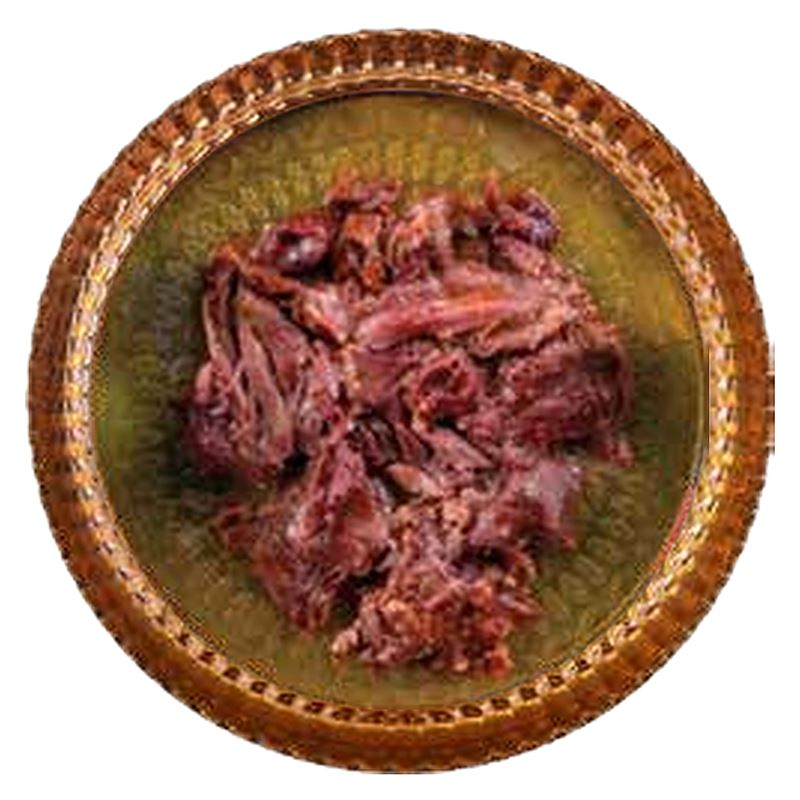
What is baghali polo ba mahiche?
Baghali polo ba mahiche is one of the great celebration dishes of the Persian table: fragrant, feather-light rice layered with mountains of fresh dill and tender fava beans (baghali), crowned with a lamb shank (mahiche) that has been braised so slowly it slides off the bone with a spoon. The rice carries the grassy, almost anise-like perfume of dill; the beans add a buttery bite; and the saffron-stained crust at the bottom of the pot — the tahdig — is the prize everyone fights over. It is the dish Iranians make for Nowruz, weddings, and Friday lunches when the whole family gathers.
It looks impressive, and it is genuinely a project — plan for around three to four hours, most of it hands-off while the shank braises. Nothing about it is difficult, but it rewards patience. Below is a full, honest method for the shank, the beans, and the layered rice, with real quantities for four to five people.
What ingredients do you need?
For the braised lamb shanks (mahiche)
- 4 halal lamb shanks (about 350-400 g each)
- 2 large onions, thinly sliced
- 4 garlic cloves, crushed
- 3 tablespoons vegetable oil
- 1/2 teaspoon ground turmeric
- 1 cinnamon stick (or 1 teaspoon ground cinnamon)
- 2 dried limes (limu omani), pierced — optional but traditional
- 1/4 teaspoon ground saffron, bloomed in 2 tablespoons hot water
- About 3 cups (750 ml) water or lamb stock
- Salt and freshly ground black pepper
For the dill and fava-bean rice
- 3 cups (600 g) Persian or basmati long-grain rice
- 500 g shelled fava beans (baghali), fresh or frozen — inner skins peeled for the tenderest result
- 1 large bunch fresh dill (about 200 g), finely chopped — or 1 cup dried dill
- 3 tablespoons salt, for parboiling
- 4 tablespoons butter, ghee, or oil
- 1/2 teaspoon ground saffron, bloomed in 3 tablespoons hot water
- 1 potato or 2 thin flatbread rounds, for the tahdig (optional)
How do you braise the lamb shank until it falls off the bone?
Start the shanks first, because they set the pace. Pat them dry and season generously with salt and pepper. Heat the oil in a heavy pot and brown the shanks on all sides until deep golden — this is where the flavour is built, so don't rush it. Lift them out, then soften the onions in the same pot until golden, add the garlic, turmeric, and cinnamon, and cook for a minute until fragrant.
Return the shanks, tuck in the pierced dried limes, pour in enough water or stock to come two-thirds up the meat, and bring to a gentle simmer. Cover and cook on the lowest heat for two-and-a-half to three hours, turning once or twice, until the meat is spoon-tender and pulling from the bone. Stir the bloomed saffron into the sauce in the last twenty minutes, skim off any excess fat, and reduce the sauce until glossy. Keep the shanks warm in their gravy while you finish the rice.
How do you cook the dill and fava-bean rice?
Persian rice is cooked in two stages — parboiled, then steamed (dam) — which is what gives it those separate, feather-light grains.
- Rinse the rice in several changes of cold water until it runs clear, then soak in salted water for at least an hour (or up to a few hours).
- If using fresh fava beans, blanch them for two minutes, drain, and slip off the pale outer skins to reveal the bright green bean. Frozen beans can be added straight to the parboil.
- Bring a large pot of water to a rolling boil with the 3 tablespoons of salt. Drain the rice and pour it in. After two minutes add the fava beans. Boil for five to seven minutes, until the grains are soft on the outside but still firm in the centre. Drain in a large sieve and rinse briefly with lukewarm water.
- In a bowl, gently fold the parboiled rice and beans with the chopped dill so the green is evenly distributed.
- Wipe the pot dry, add the butter or oil with a splash of water, and — if you want tahdig — lay in thin potato slices or flatbread to cover the base. Spoon the rice mixture on top in a pyramid, so steam can circulate.
- Poke a few holes down to the base with the handle of a spoon, wrap the lid in a clean tea towel, and cover tightly. Steam on medium-high for ten minutes to build the crust, then turn to low and steam for a further thirty-five to forty minutes.
- Just before serving, drizzle the bloomed saffron over a couple of ladles of the white rice to make the classic saffron topping.
How do you serve and plate it?
Mound the dill rice on a wide platter, scatter the saffron rice over the top, and set the glistening shanks alongside. Spoon a little of the reduced braising gravy over the meat. Serve with a sharp yoghurt, a plate of fresh herbs, and pickles or torshi to cut the richness. If you managed a good tahdig, break it into shards and pass it around — it never lasts long.
How long does it take, and what are the common mistakes?
Difficulty is moderate: the shank is forgiving, but the rice needs attention. The most common mistakes are over-boiling the rice in the parboil stage (it turns to mush during the steam), skipping the soak (grains break), and rushing the shank (tough meat). Salt the parboiling water boldly — most of it drains away. Total active time is around an hour; total elapsed time three to four hours.
Want the slow-cooked Tehran flavour without the four-hour cook?
Baghali polo ba mahiche is a labour of love, and some nights you simply want the deep, slow-simmered taste without the pots. That is exactly what we do at Shaun the Sheep: authentic, Tehran-style slow-cooked classics, made fresh in one Dubai kitchen. We are kalle pache specialists — our overnight-simmered kalle pache and our hearty abgoosht (dizi) scratch the same soulful itch. Browse the menu and order page, delivered across all of Dubai and free over AED 300, open 24 hours a day, or reserve a table to dine in. Cook the baghali polo this weekend — and let us handle the low-and-slow on a busy night.
