How Do You Choose a Good Persian Restaurant in Dubai?
Dubai has more Persian kitchens than ever, which is wonderful — and a little confusing. Menus look alike, photos look alike, and everyone claims to be authentic. But Persian food, and slow-cooked dishes like kalle pache especially, live or die on details a photo can never show: how long the pot really simmered, whether the bread was baked today, and where the lamb came from. This is a buyer's guide, not a sales pitch. Use it to judge any Persian restaurant in Dubai on its merits — and, yes, to hold us at Shaun the Sheep to exactly the same standard.
Is the Food Cooked Fresh, or Reheated From Yesterday?
The first question worth asking is the simplest: is this made fresh, or reheated? Many dishes — stews, rice, and above all broths — lose their character when they sit overnight and are blasted back to heat. A fresh pot tastes bright and clean; a tired, reheated one tastes flat, sits oily on the surface, and turns slightly stewed. Ask when today's batch was cooked; a confident kitchen answers happily. Restaurants that cook in small, frequent batches — or run around the clock — rarely need to serve you yesterday's pot.
What Does a Real Slow Simmer Actually Look Like?
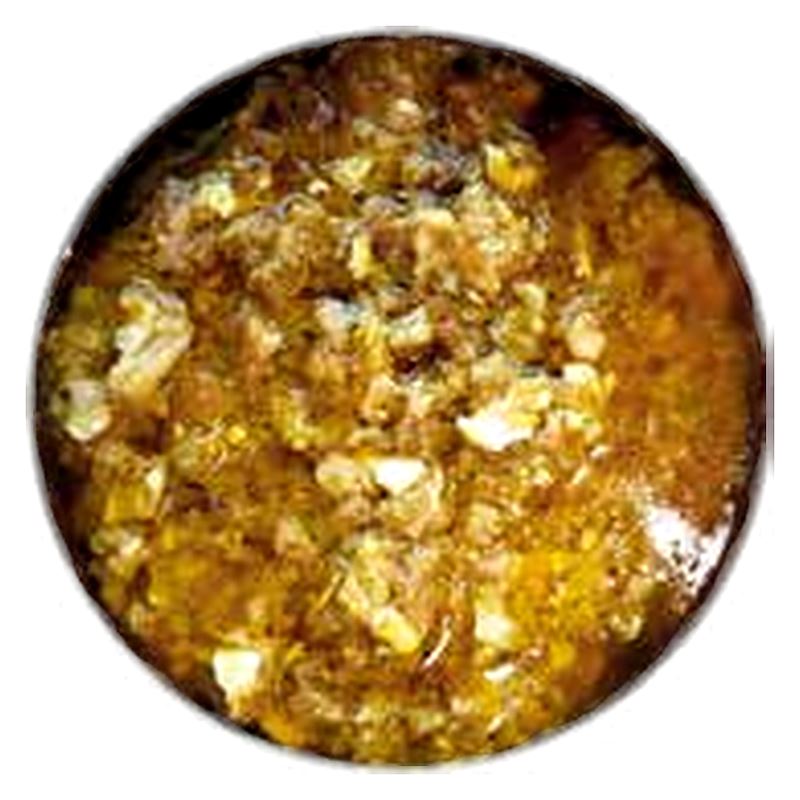
Some dishes are meant to take hours, and there is no shortcut. Kalle pache, for instance, wants roughly fourteen hours of gentle simmering with onion, turmeric and garlic, skimmed by hand every hour until the broth turns the colour of strong tea. A kitchen that respects that will gladly describe the process; one that rushes it produces cloudy, greasy broth and meat that is either tough or falling into shreds. The same logic applies to abgoosht (dizi) and any bone-broth dish. If the staff cannot tell you roughly how long the pot cooked, treat that as an answer in itself.
How Can You Tell the Bread and Sides Are Done Right?
Sides are where corners get quietly cut. Proper sangak — the pebble-baked Persian flatbread — should arrive warm and fresh, not stiff or reheated from a bag. The pickles matter too: a real seven-year garlic pickle (torshi seer) and a lively mixed torshi show that a kitchen keeps tradition alive. And a cold glass of doogh, the salted mint-yogurt drink, should be on hand to cut the richness. When the sides are an afterthought, the main dish usually is too.
Is the Meat Genuinely Halal and Well Sourced?
In the UAE, meat served in restaurants is halal by law and standard, yet sourcing and handling still vary. A good kitchen cleans its cuts by hand, uses them fresh, and can speak plainly about where the meat comes from. For the traditional cuts — brain (maghz), tongue (zaban), trotters (pacheh), tripe (sirabi) and the lamb cheek known as bonagoosh — careful cleaning is the difference between a clean, inviting aroma and an off, gamey one. Do not be shy about asking.
Is the Pricing Transparent Before You Pay?
Good restaurants show their prices plainly and, for delivery, tell you the fee before you commit — not as a surprise at the door. Look for a clear menu, a delivery fee you can see up front, and no vague market-price games on everyday dishes. Transparent pricing is simply the mark of a kitchen that respects you as a guest.
Does the Kitchen Season Food the Native Way?
Persian food is gently, warmly spiced — turmeric, garlic, onion, dried lime, cinnamon — and it is not a chili-hot cuisine. If a bowl arrives fiery or heavily masked with spice, someone may be covering for a weak broth. Authentic seasoning is finished at the table, to your own taste: a squeeze of lime, a little garlic, a pinch of cinnamon and salt. A kitchen cooking the native way builds flavour from time and technique, not from a heavy hand at the end.
Can You Sum It Up in a Quick Checklist?
Keep these signals in mind on your next visit or order:
| What to look for | Sign of quality | Red flag |
|---|---|---|
| Freshness | Cooked fresh in small, frequent batches | Reheated pots, oily surface, flat taste |
| Simmer time | ~14 hours for broths; staff can explain it | "Ready in an hour," cloudy greasy broth |
| Sangak & sides | Warm fresh bread, real torshi, garlic, doogh | Stiff reheated bread, no proper sides |
| Halal & sourcing | Halal, hand-cleaned cuts, clear answers | Vague sourcing, off or gamey aroma |
| Pricing | Clear menu; delivery fee shown before you pay | Hidden fees, vague "market price" |
| Seasoning | Warm native spice, finished at the table | Fiery or heavily masked with spice |
| Access & honesty | Consistent ordering; honest about one kitchen | Confusing claims of many branches |
What Questions Should You Ask Before Ordering?
- When was today's batch cooked, and is it made fresh?
- How long is the broth or stew simmered?
- Is the sangak baked fresh today?
- Where does the lamb come from, and are the cuts hand-cleaned?
- What is the delivery fee to my area, and will I see it before I pay?
Honest answers, offered without hesitation, tell you almost everything.
How Does Shaun the Sheep Measure Up to These Standards?
We wrote this guide to be used on everyone, ourselves included. For the record: at Shaun the Sheep, a single Tehran-style kitchen at 64 Jumeira Street, Jumeirah 1, we hand-clean the cuts before dawn and simmer for about fourteen hours over a gentle flame, skimming every hour until the broth runs the colour of strong tea. Our lamb is halal, our sangak is served warm, and the delivery fee for your area is shown before you pay — with free delivery on orders over AED 300. We are one kitchen, not a chain: open 24 hours, 7 days a week, delivering across all of Dubai, with pickup and dine-in as well, and you can even schedule an order for later. Browse the menu and order page to see the prices for yourself, or reserve a table. Whatever you decide in the end, decide it by the standards above.
This article is culinary and cultural guidance, not medical or dietary advice; for personal health questions, please consult a doctor.
